In today's Insider Newsletter:
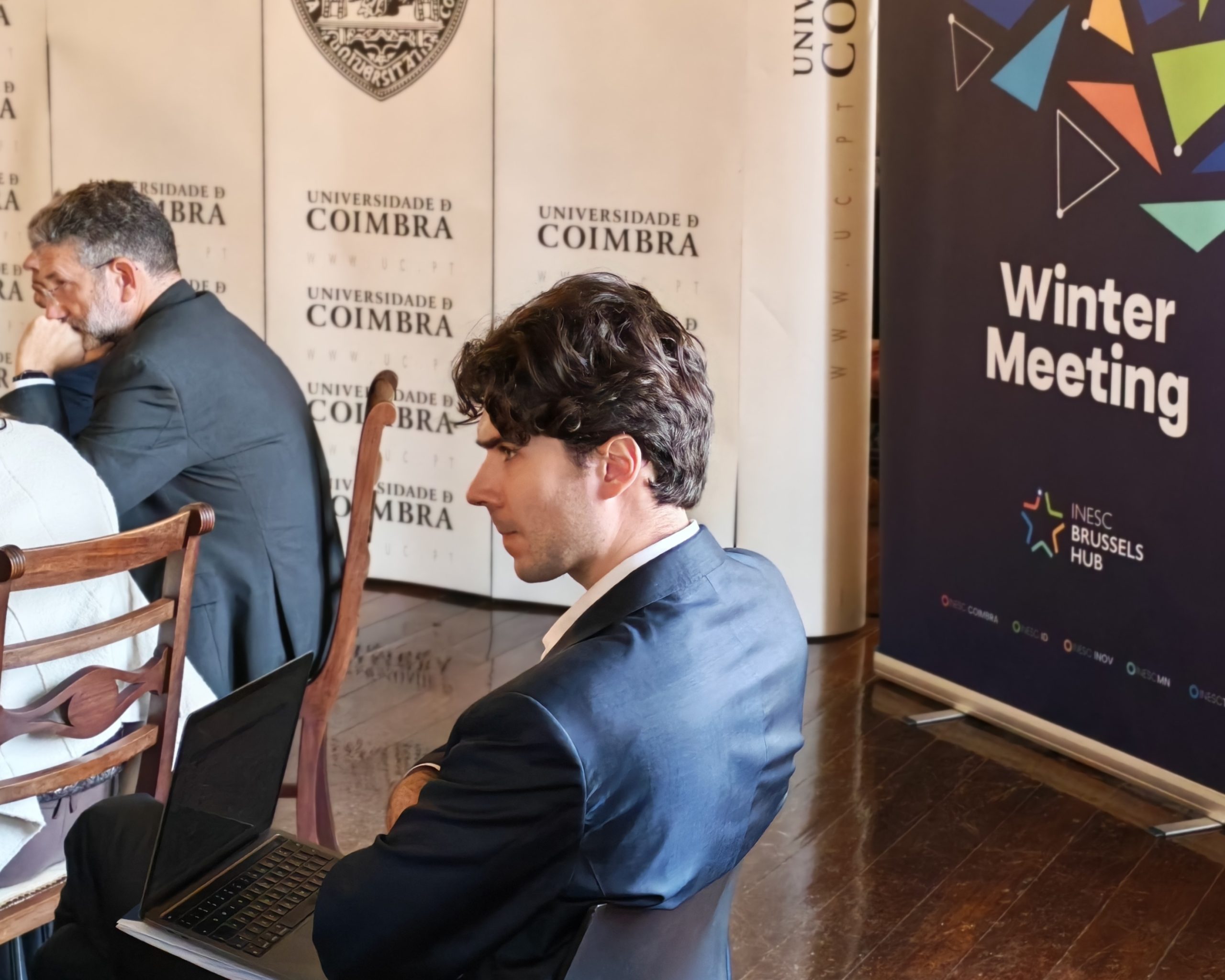
INESC WINTER MEETING 2026
Coimbra 28–29 January 2026
Our Future in FP10 & ECF: Aligning Institutions and Policy Across Europe
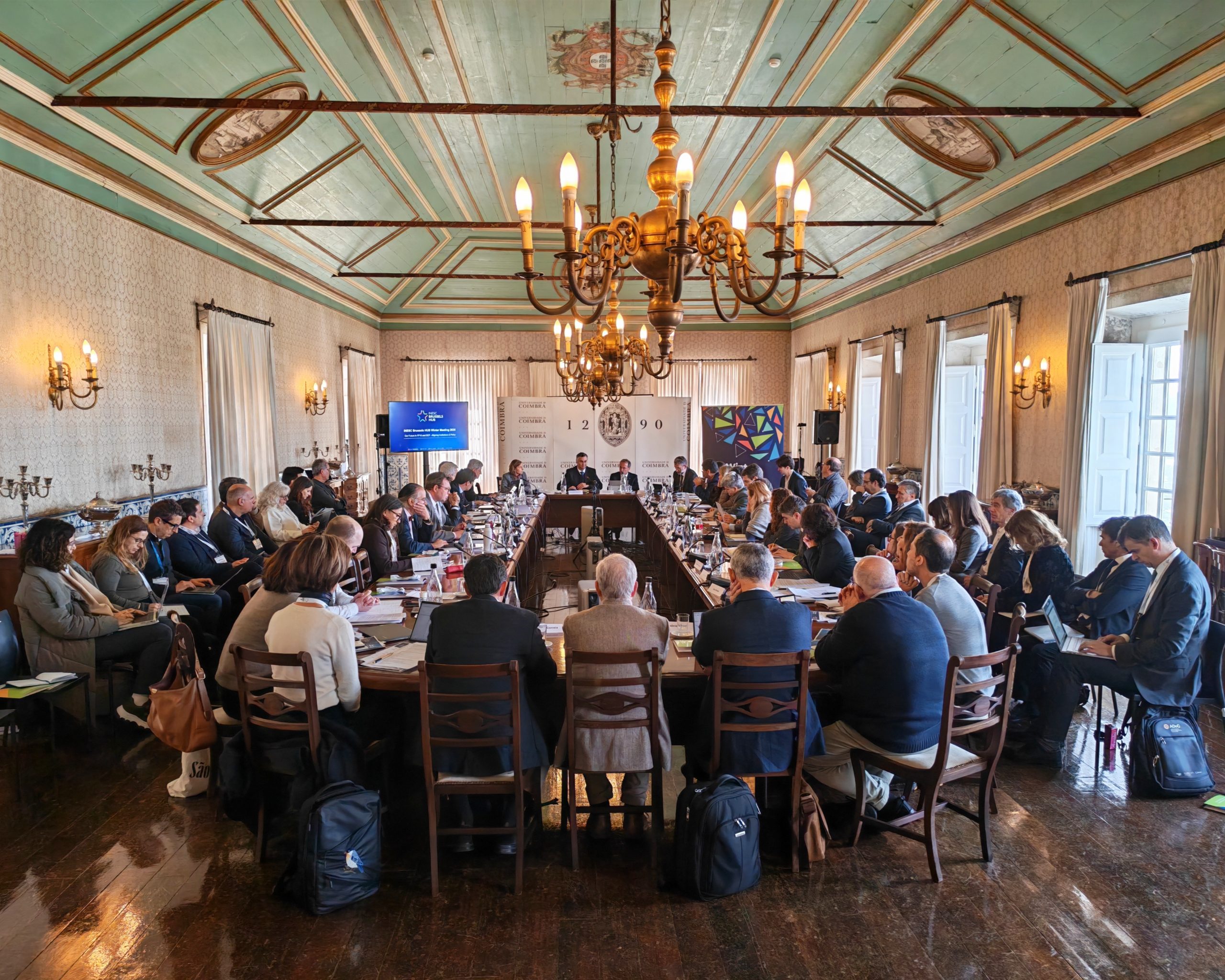
The INESC Brussels HUB hosted its 2026 edition of the Winter Meeting on 28–29 January in Coimbra, gathering European policymakers, Portuguese authorities, university rectors, research leaders, and the broader INESC community for two days of strategic reflection, institutional alignment, and forward-looking debate. This edition also marked the 40th anniversary of INESC Coimbra, making this year’s meeting especially meaningful.
Day 1: Strategic Alignment and Policy Perspectives
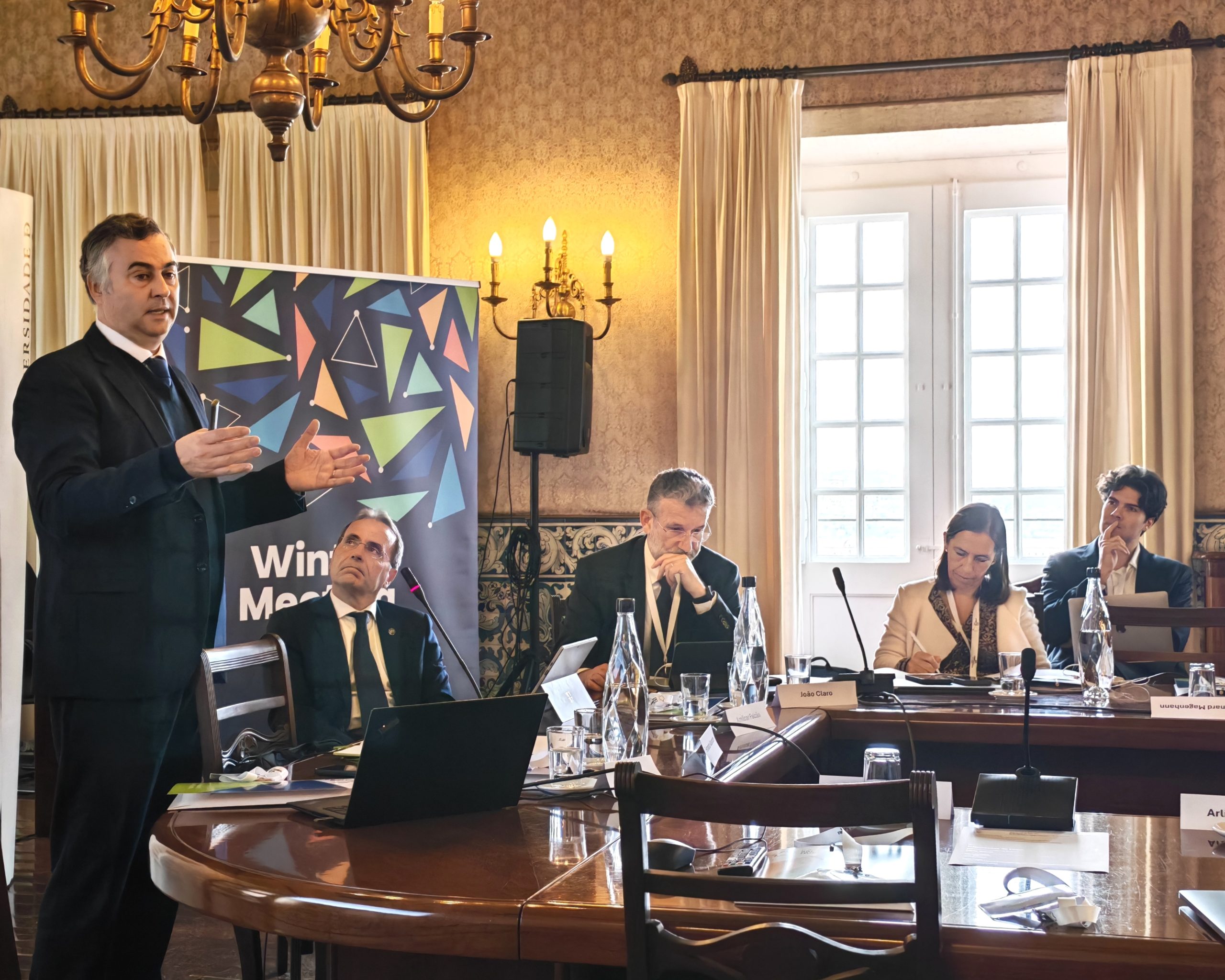
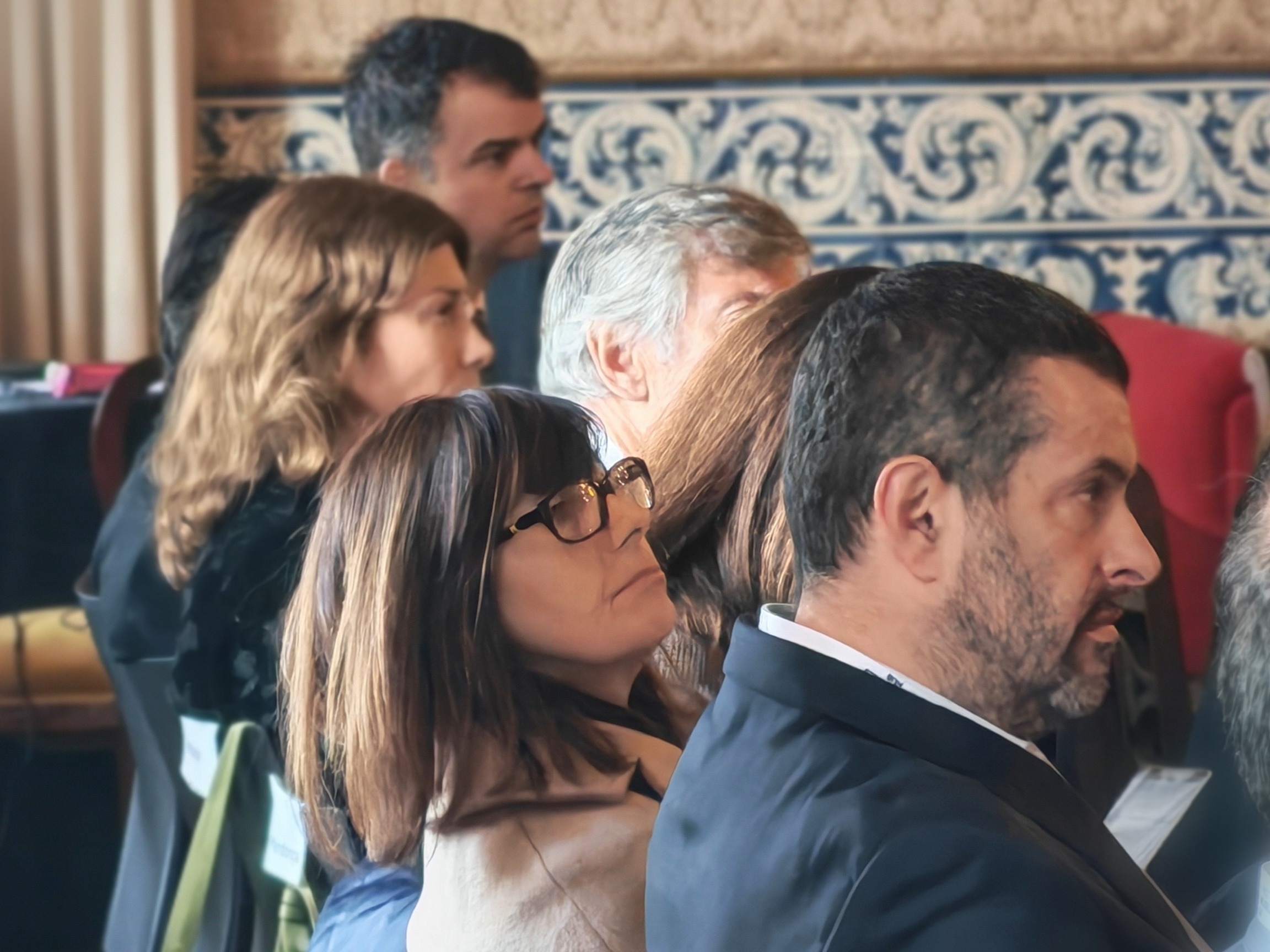
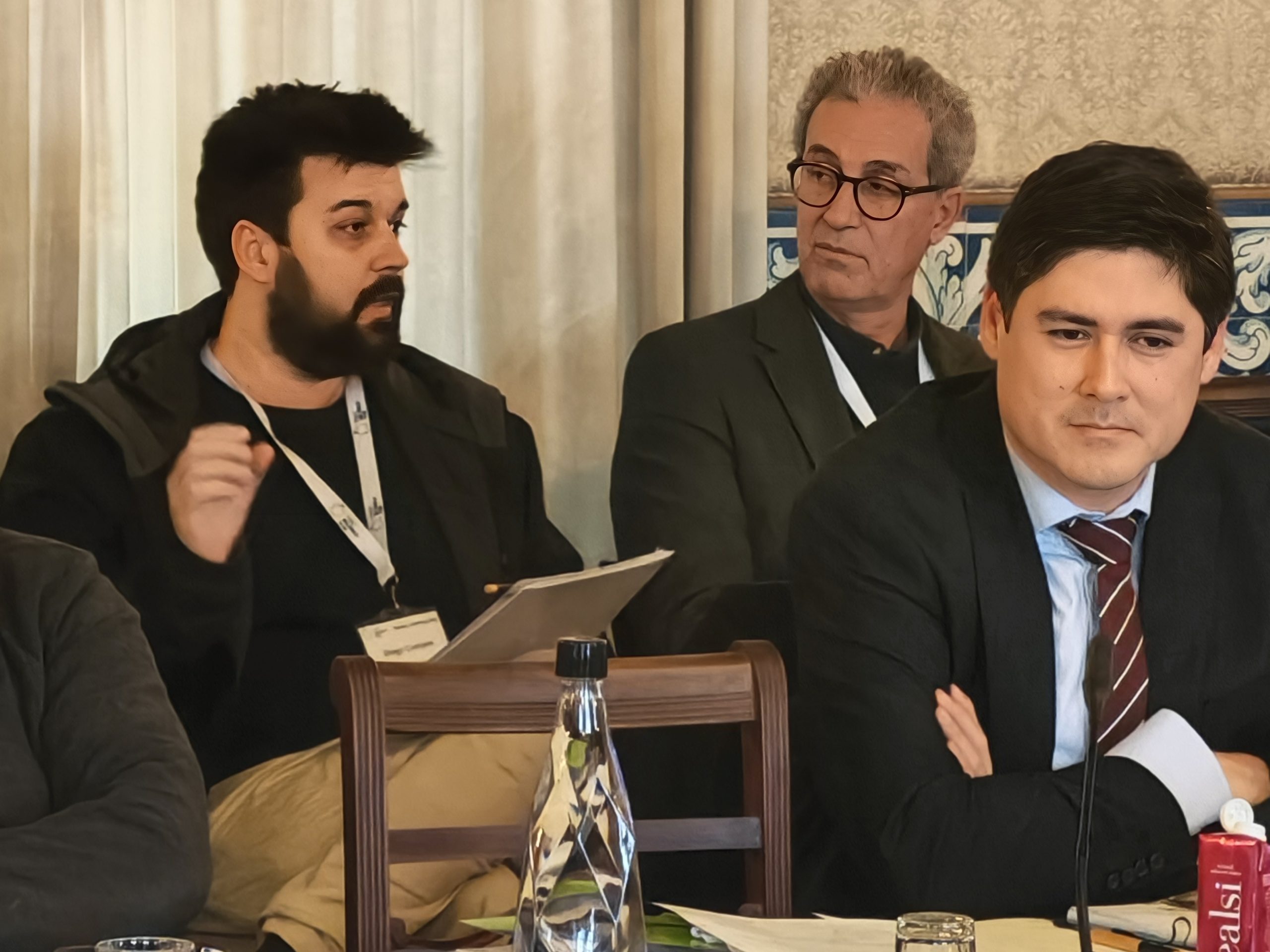
The first day took place in the emblematic Noble Hall of the Rectorate of the University of Coimbra, where participants explored the evolving landscape of European research and innovation governance under the upcoming FP10 and the European Competitiveness Fund (ECF).
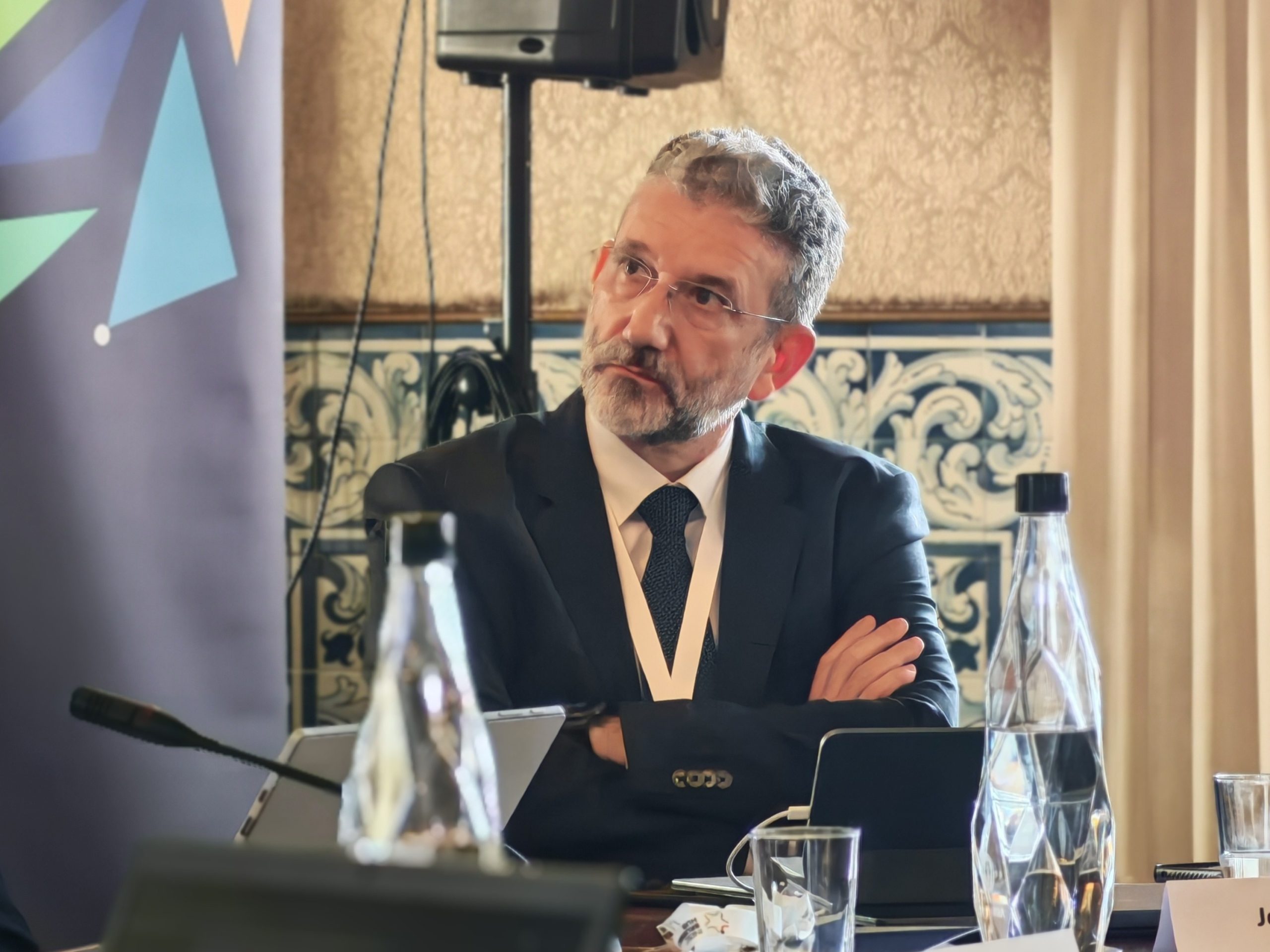
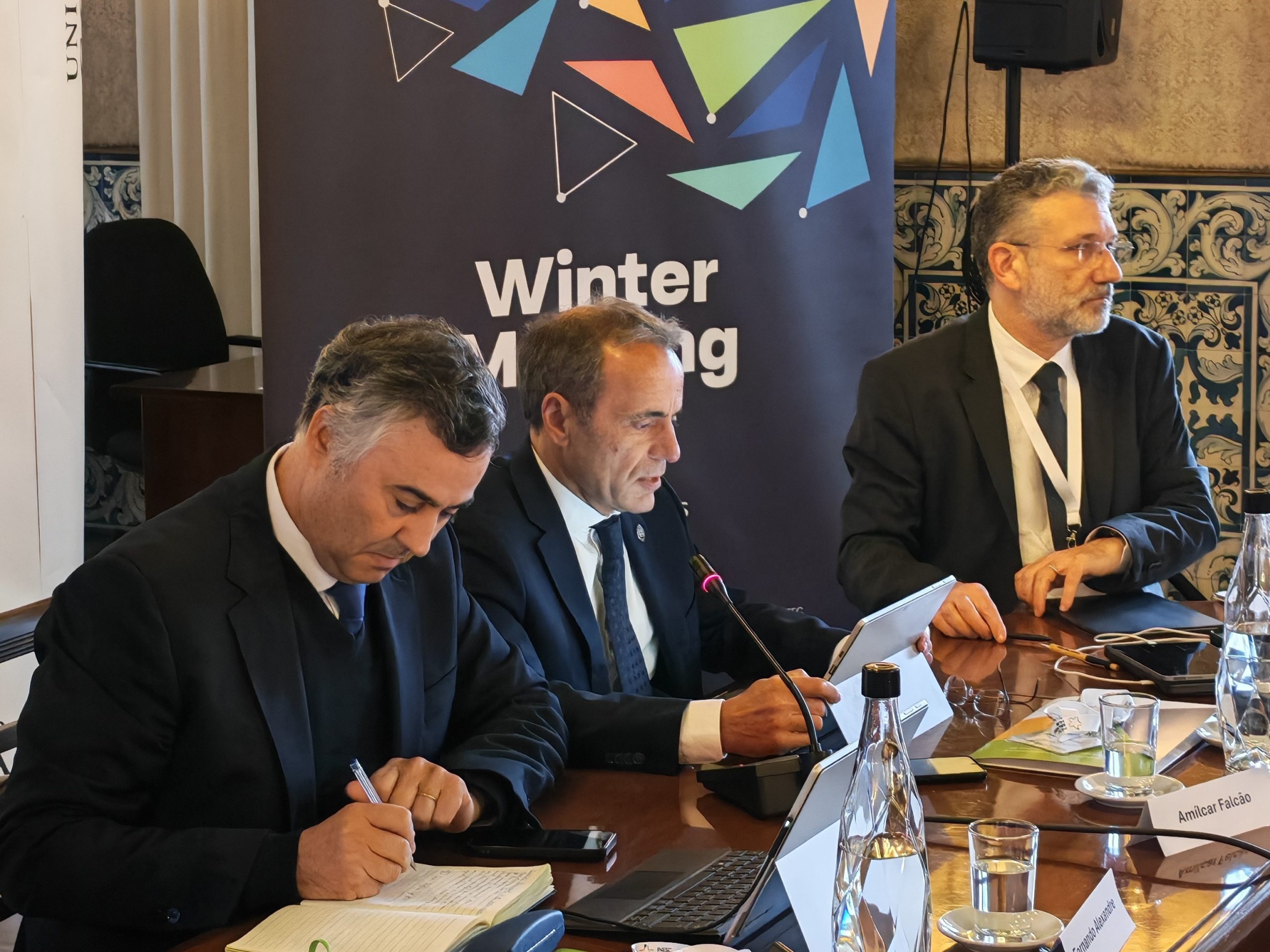
The opening session featured welcome remarks by Amílcar Falcão (Rector of the University of Coimbra) followed by the leadership of the INESC ecosystem: Inês Lynce (Chair of the INESC Brussels HUB Management Committee and President of INESC ID) and João Claro (Vice-Chair of the INESC Brussels HUB Management Committee and President & CEO of INESC TEC). Together, they introduced the strategic objectives of the meeting and set the stage for a day focused on coherence, alignment and institutional preparedness for FP10.
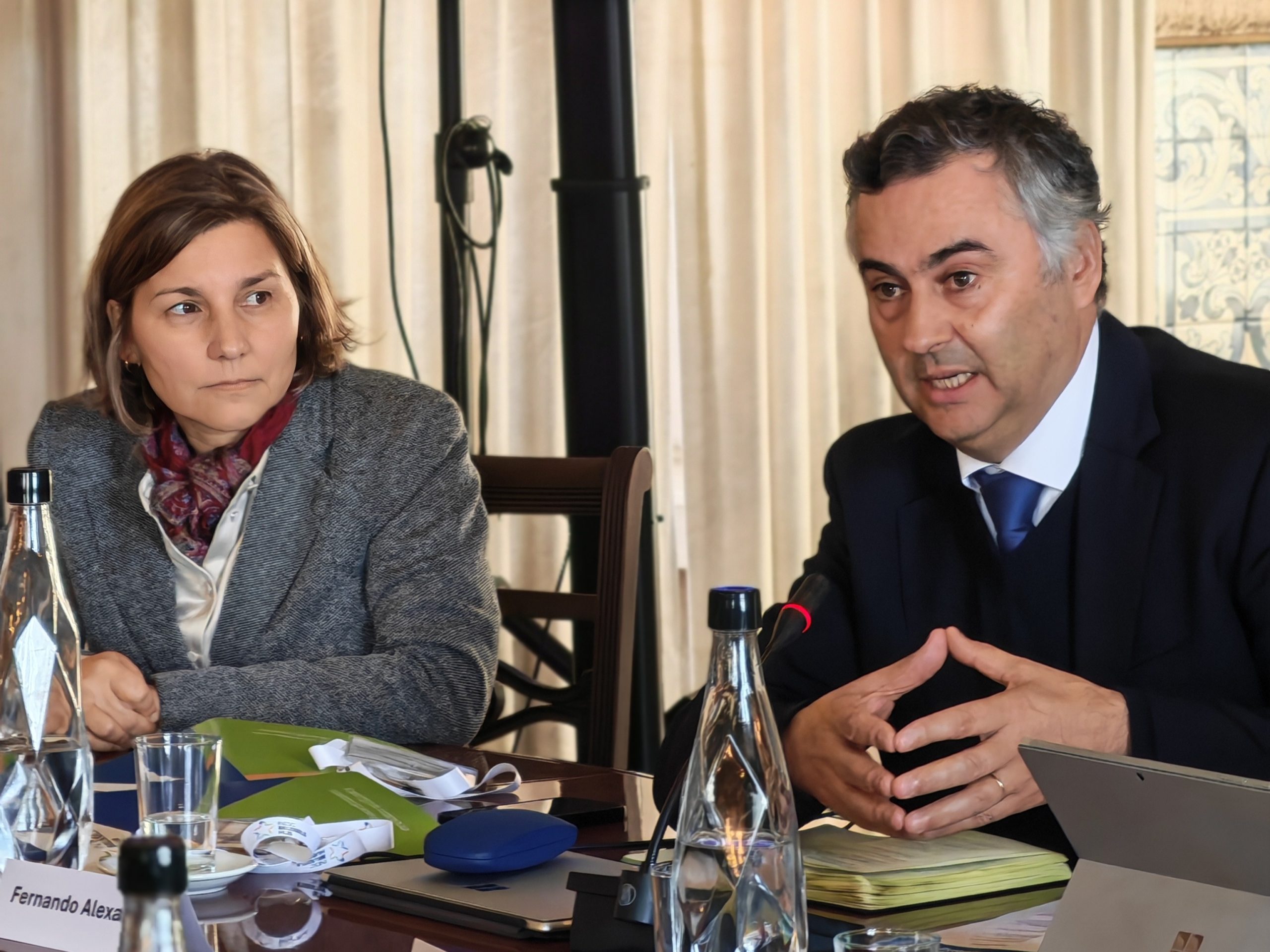
The programme brought to Coimbra a diverse set of publicly announced contributors, including Fernando Alexandre, Minister of Education, Science and Innovation; Carlos Torrecilla Salinas, Head of Innovation Policies and Economic Impact at the Joint Research Centre (European Commission); Duarte Rodrigues, Vice-President of the Portuguese Cohesion and Development Agency, João Rui Ferreira, Secretary of State of the Economy, and Julien Ravet from the European Commission’s Directorate-General for Economic and Financial Affairs. The session also included a presentation by Ondrej Hradil, Coordinator of the RIFF project (Research Infrastructures for the Future of Ukraine) at Masaryk University, bringing an international perspective to the discussions.
Day 1 explored themes such as multilevel governance alignment (EU–national–regional–institutional), the emerging paradigm of FP10 and the European Competitiveness Fund, and the role of research and innovation in supporting sectoral transformation. The agenda also touched on Portugal’s economic strategy in the context of the ECF and concluded with a forward-looking session dedicated to long-term strategic thinking.
The final session, moderated by Joana Almodovar (Head of Foresight and Public Policy at INESC TEC) and Ricardo Miguéis (Head of INESC Brussels HUB), featured Bernard Magenhann, Director-General of the Joint Research Centre, Muriel Attané, Secretary-General of EARTO, and Helena Canhão, Secretary of State for Science and Innovation, and offered a forward-looking perspective on R&I governance, institutional capability and the strategic considerations shaping Europe’s trajectory toward FP10 and beyond.
A Significant Milestone: INESC-JRC Memorandum of Understanding
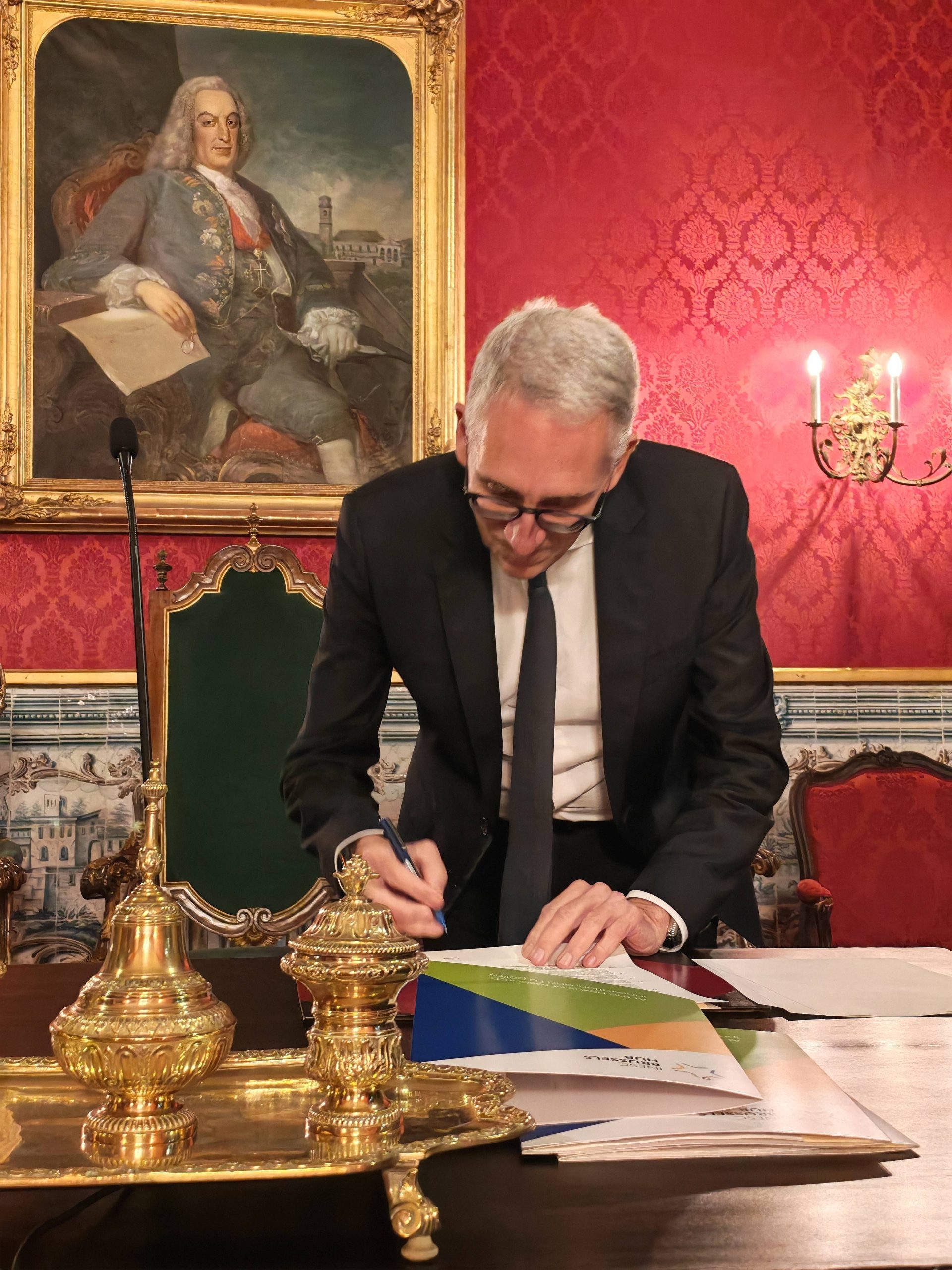
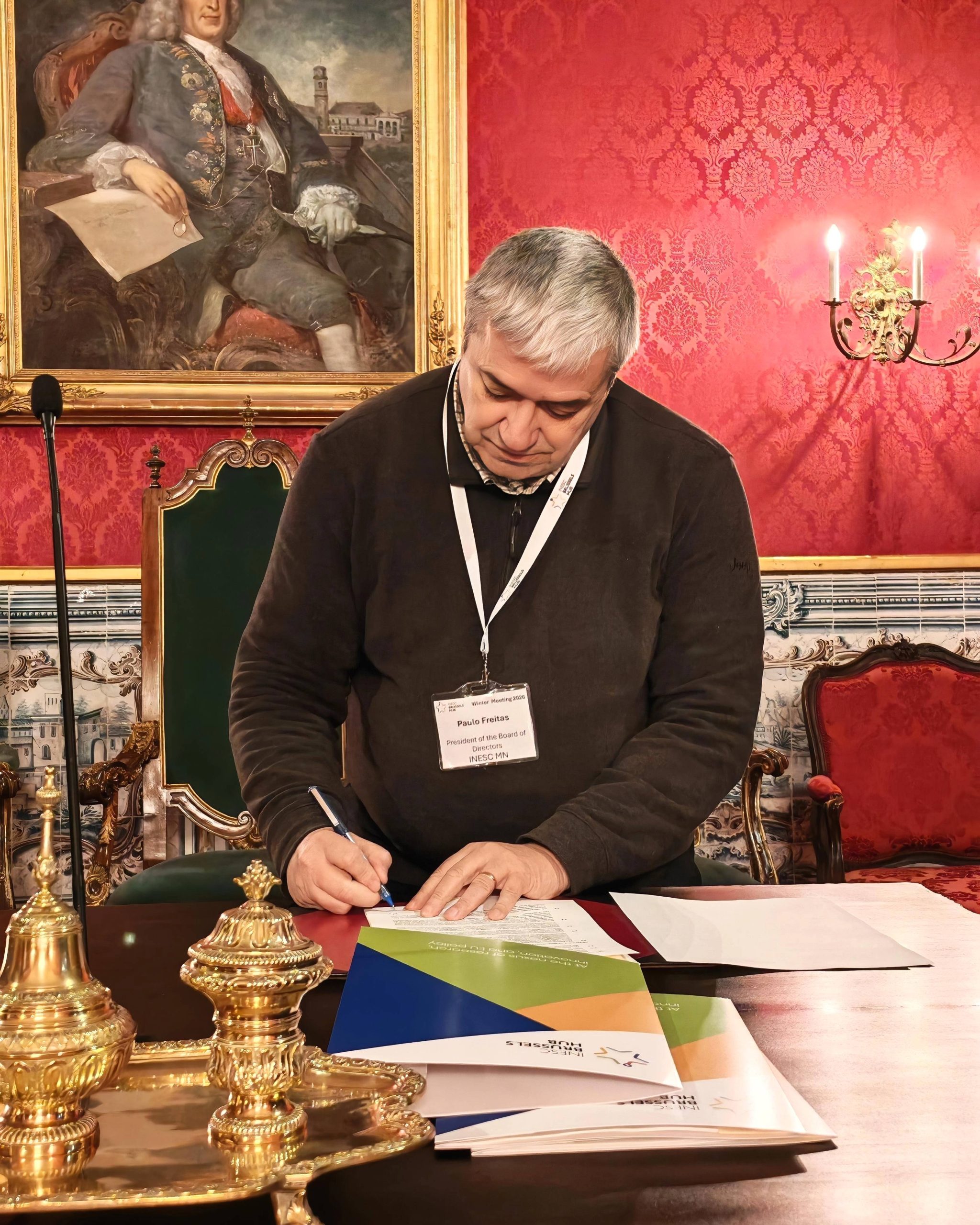
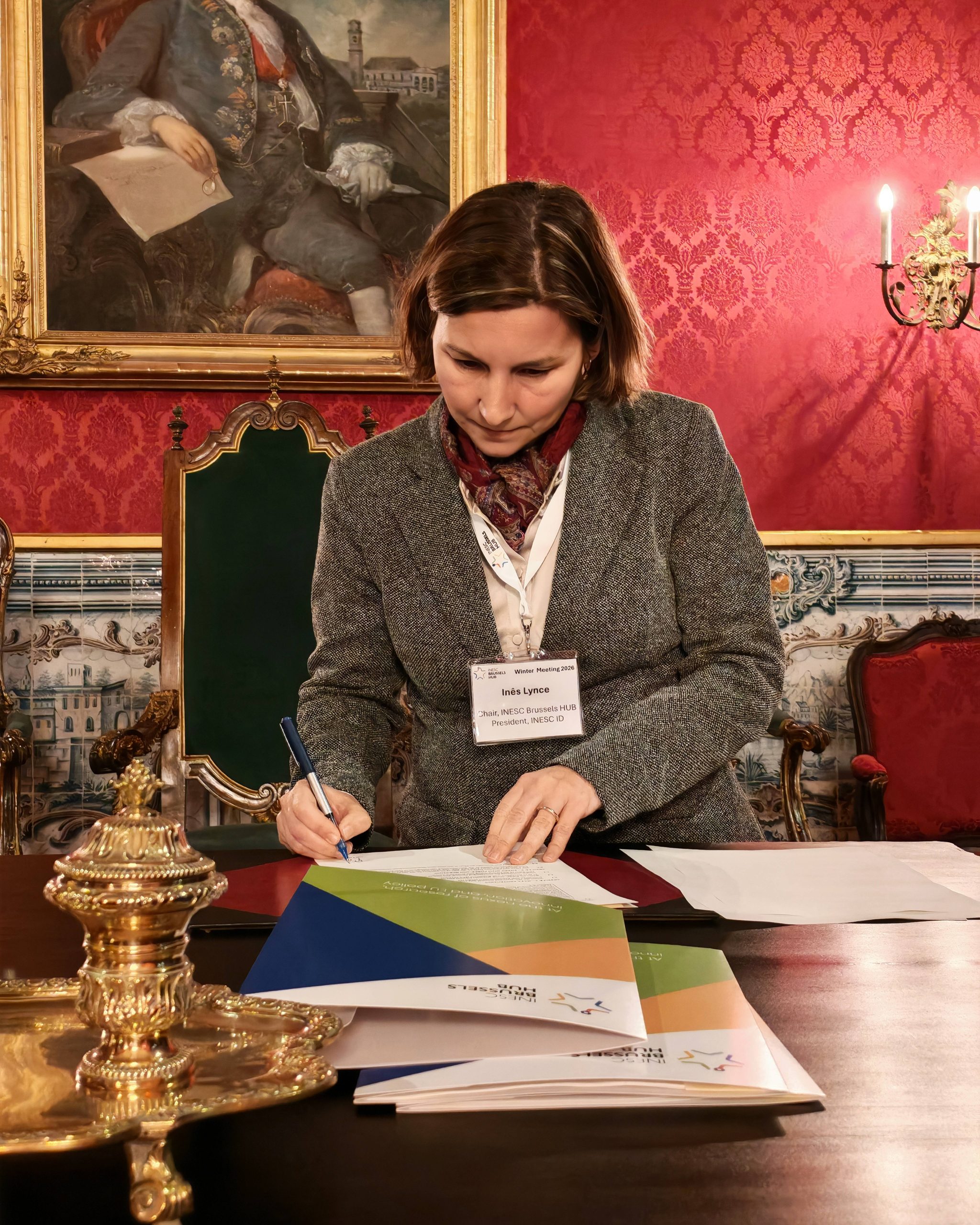
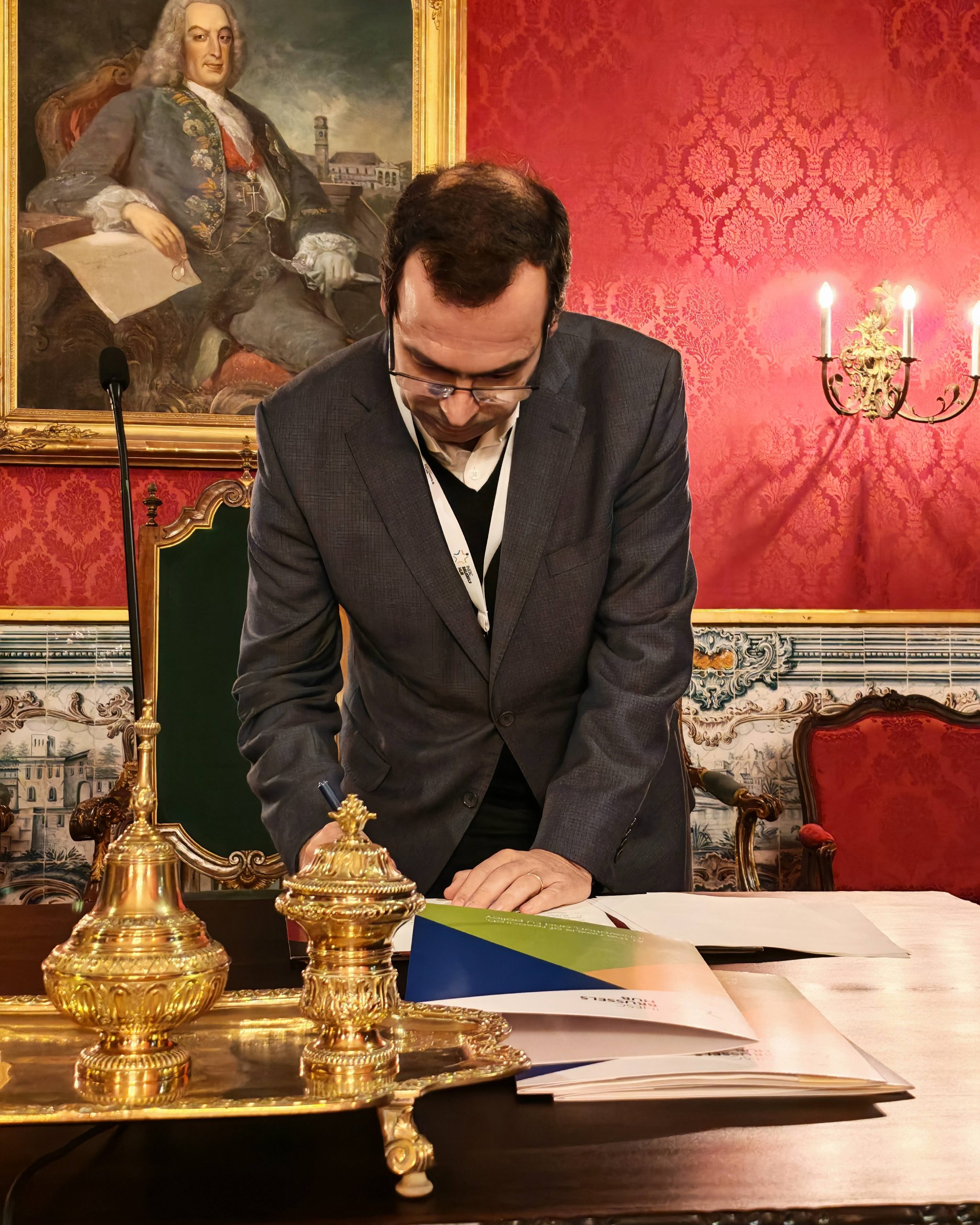
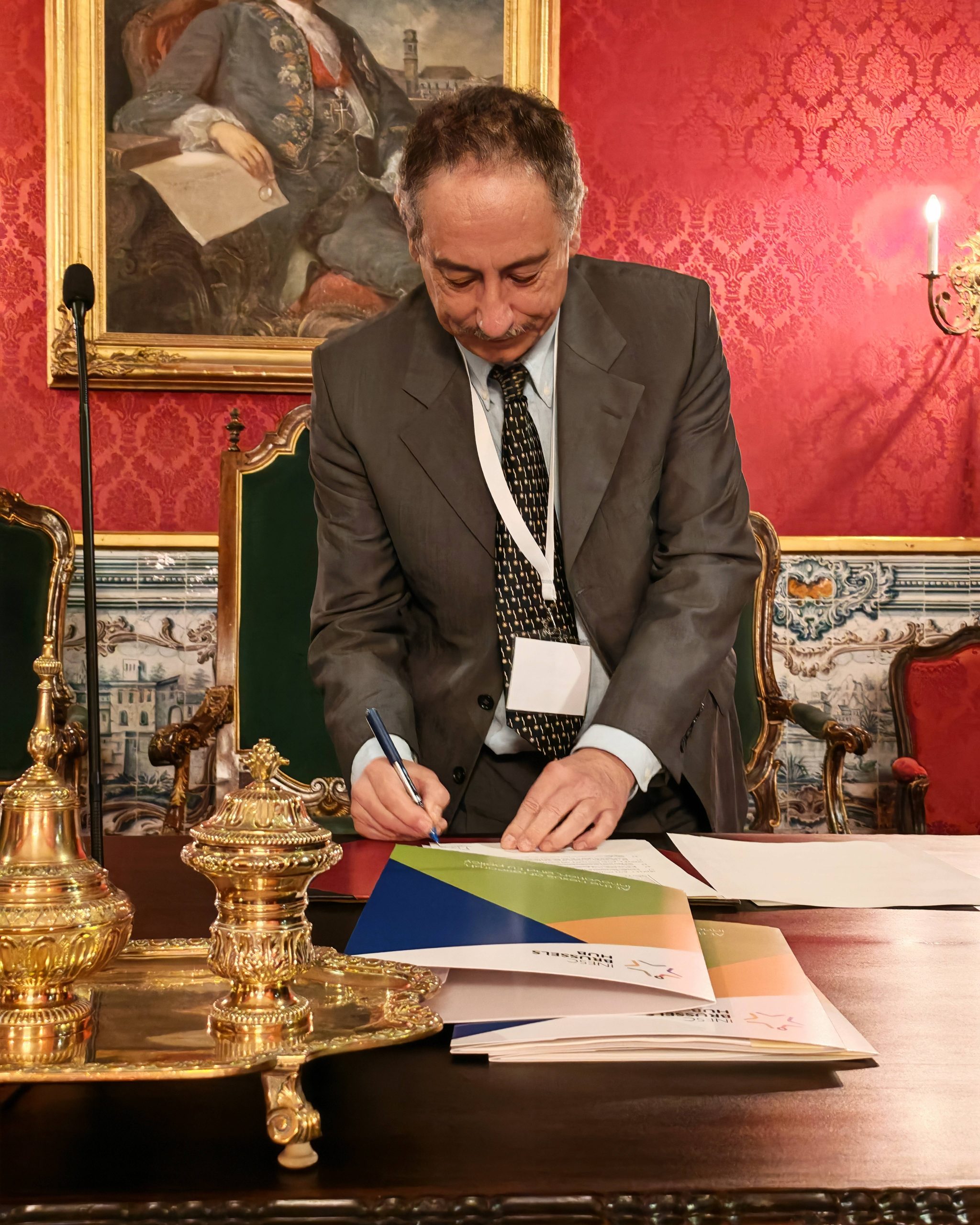
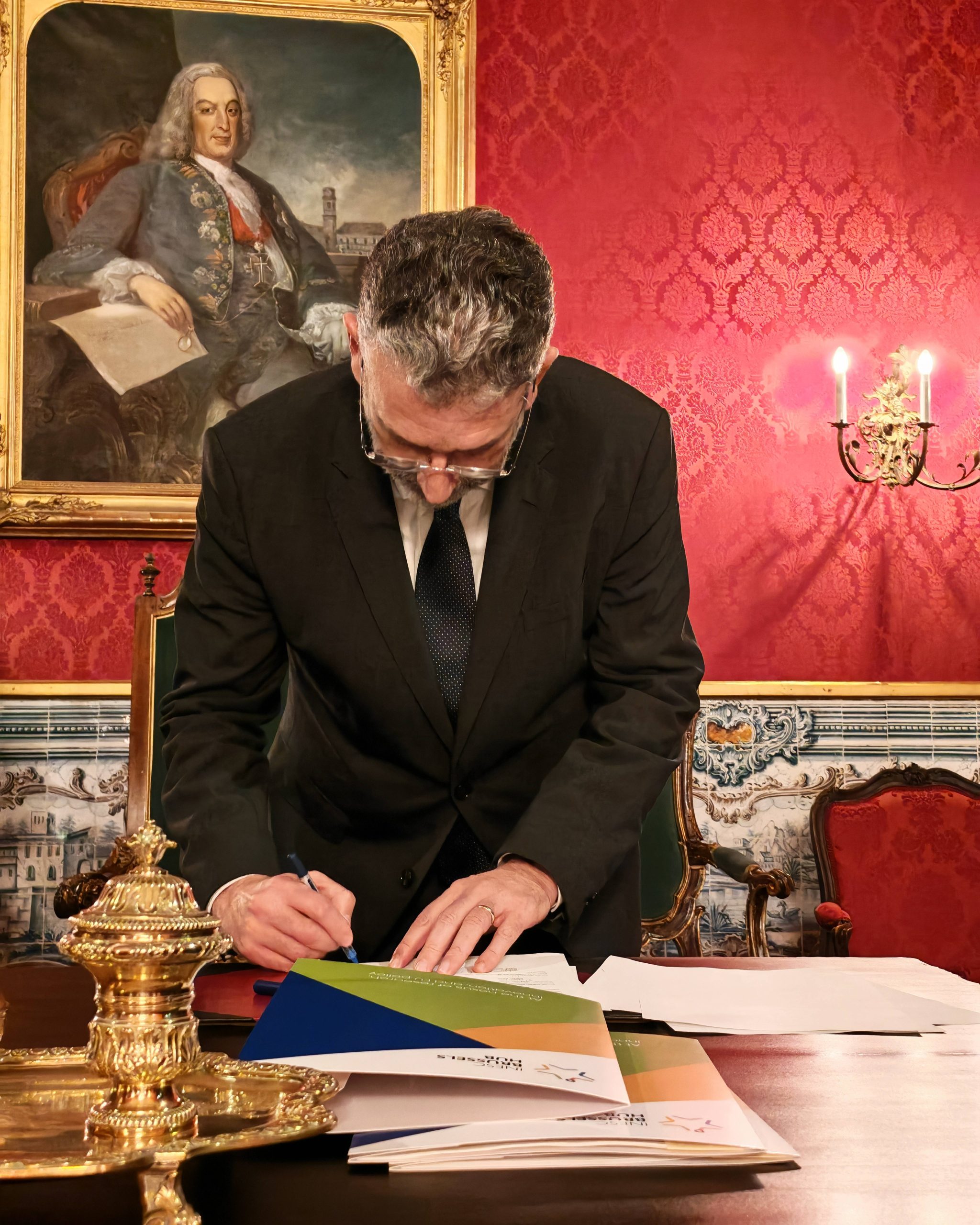
One of the central highlights of the Winter Meeting was the signature of a new Memorandum of Understanding between the INESC institutes and the Joint Research Centre (European Commission). A major step in reinforcing collaboration between Portugal’s research ecosystem and European policy-making structures.
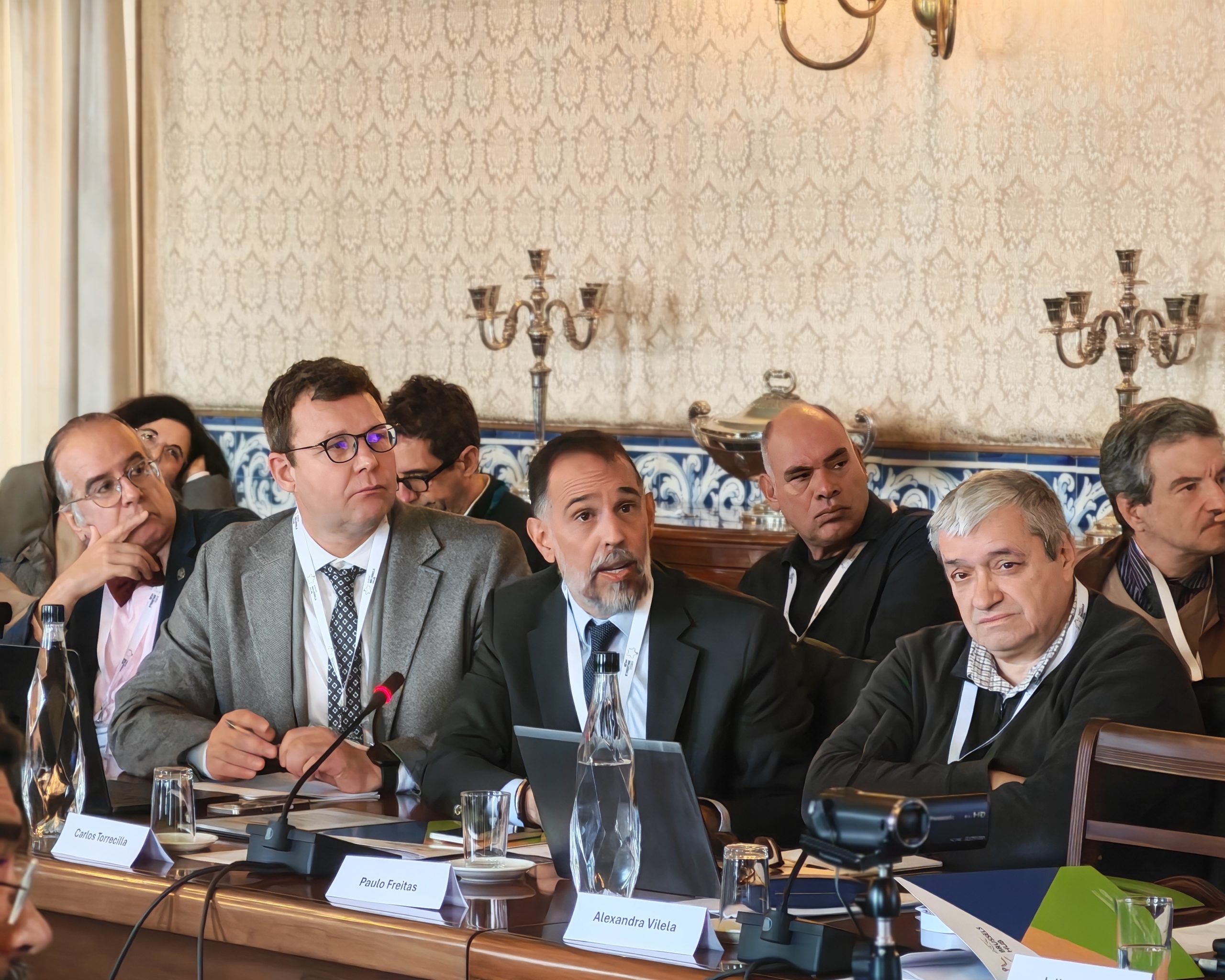
The MoU was signed by Bernard Magenhann, Director-General of the JRC, together with the leadership of the five INESC institutes: Inês Lynce (INESC-ID), João Claro (INESC TEC), Nelson Escravana (INESC INOV), Paulo Freitas (INESC MN) and Carlos Henggeler Antunes (INESC Coimbra).
This agreement opens new avenues of cooperation in science for policy, foresight, innovation, startups, and research and technology infrastructures; all essential domains for Europe’s strategic autonomy and for supporting industry and sustainability transitions.


Day 2: Institutional Readiness & Strategic Positioning for FP10
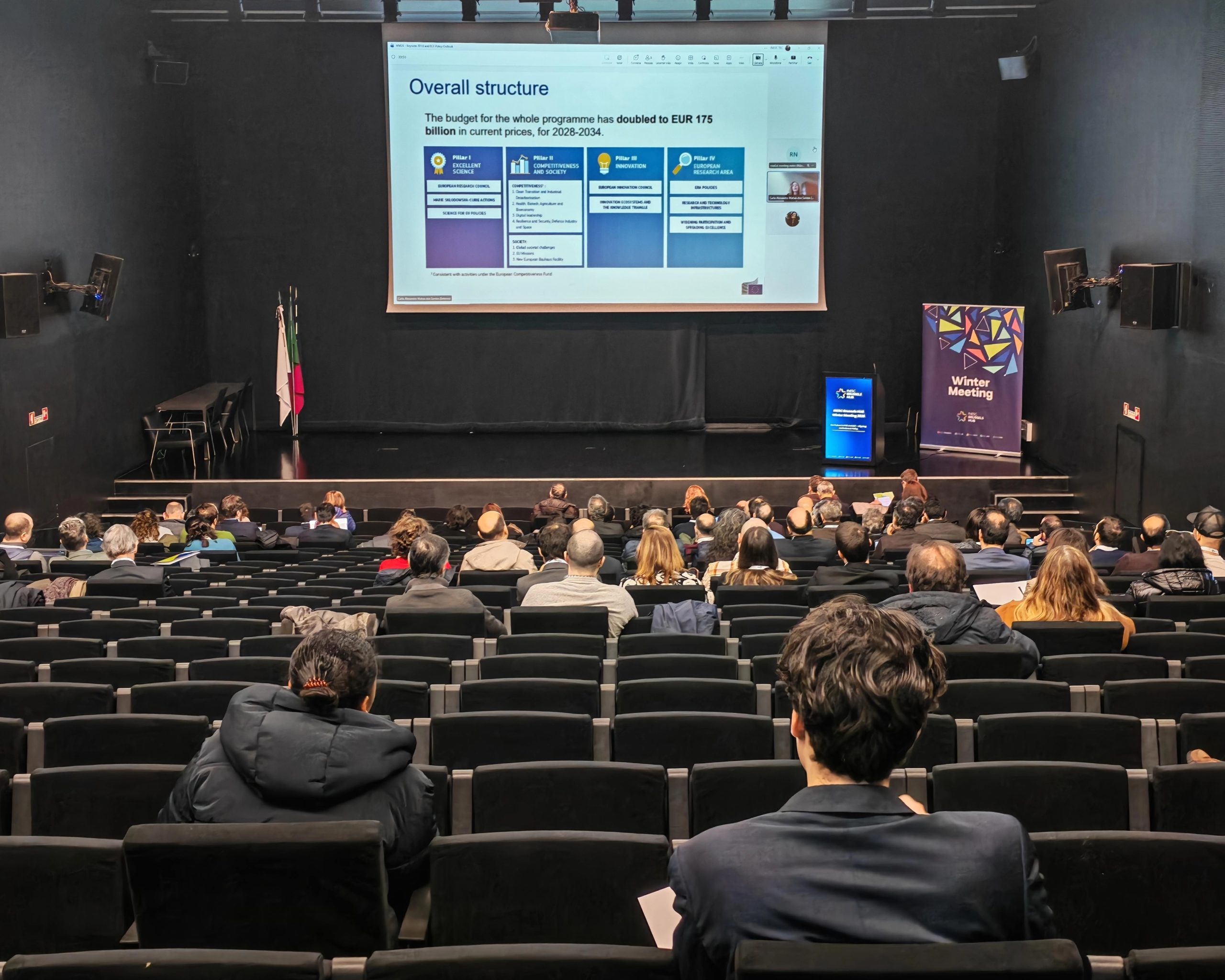
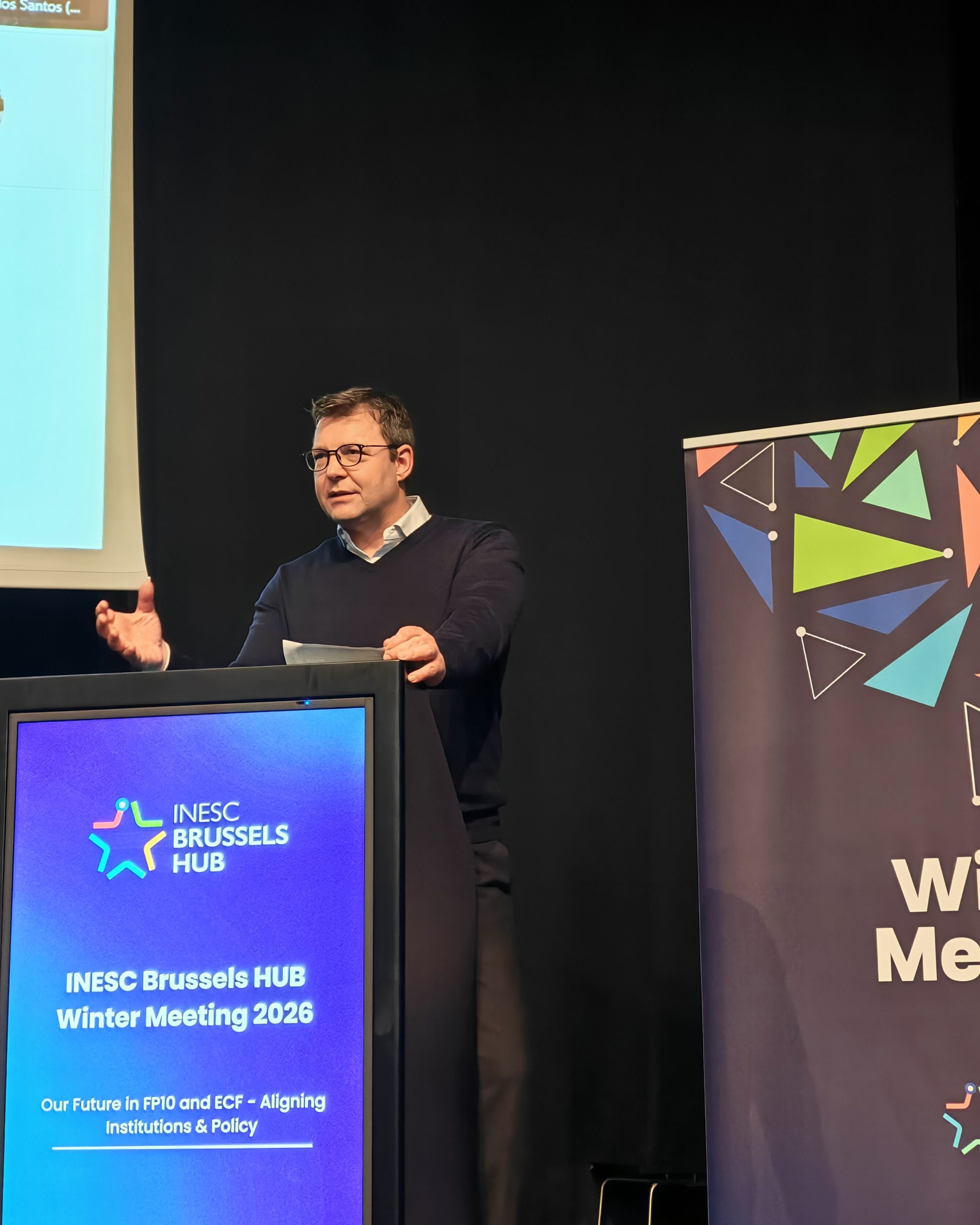
Day 2 welcomed a broader audience at the Auditorium of the Faculty of Science and Technology (FCTUC) bringing together researchers, project managers, European RTO representatives and teams from across the INESC community.
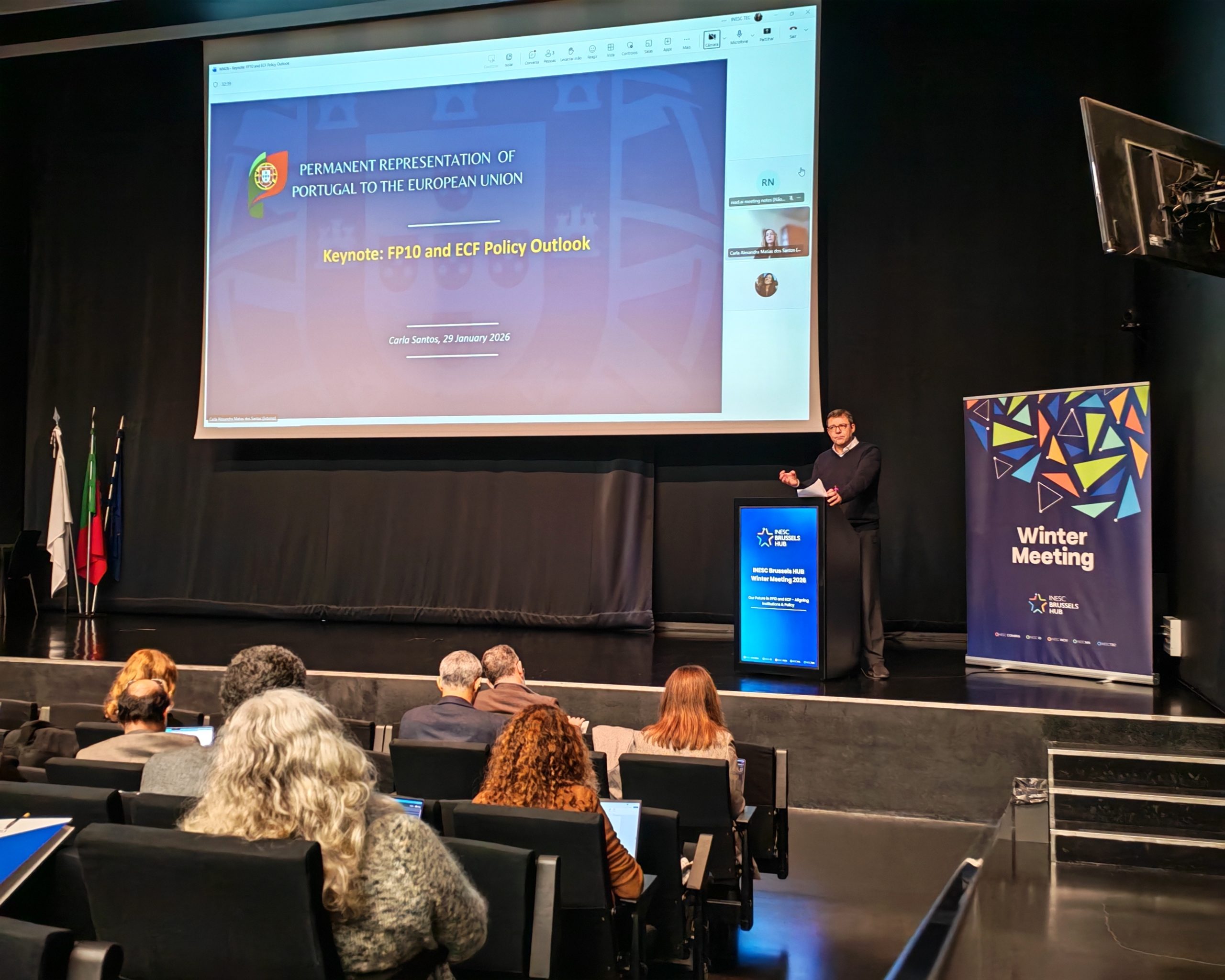
The focus shifted from high-level governance to institutional readiness and practical strategic positioning for FP10 and the ECF. The day opened with a policy outlook keynote by Carla Matias dos Santos (Research & Space Counsellor at the Permanent Representation of Portugal to the EU) setting the context for the upcoming Multiannual Financial Framework and the evolving EU R&I landscape.
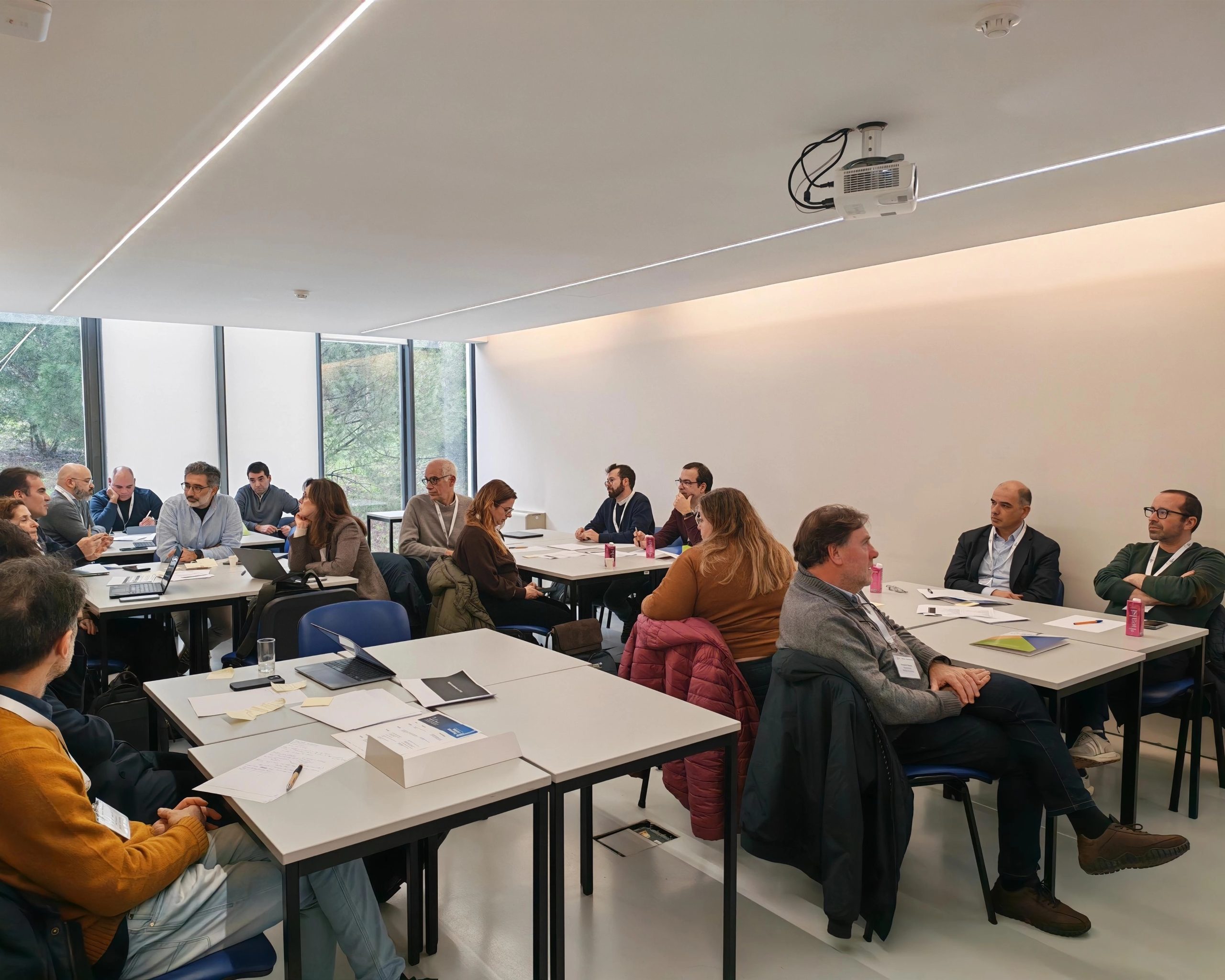
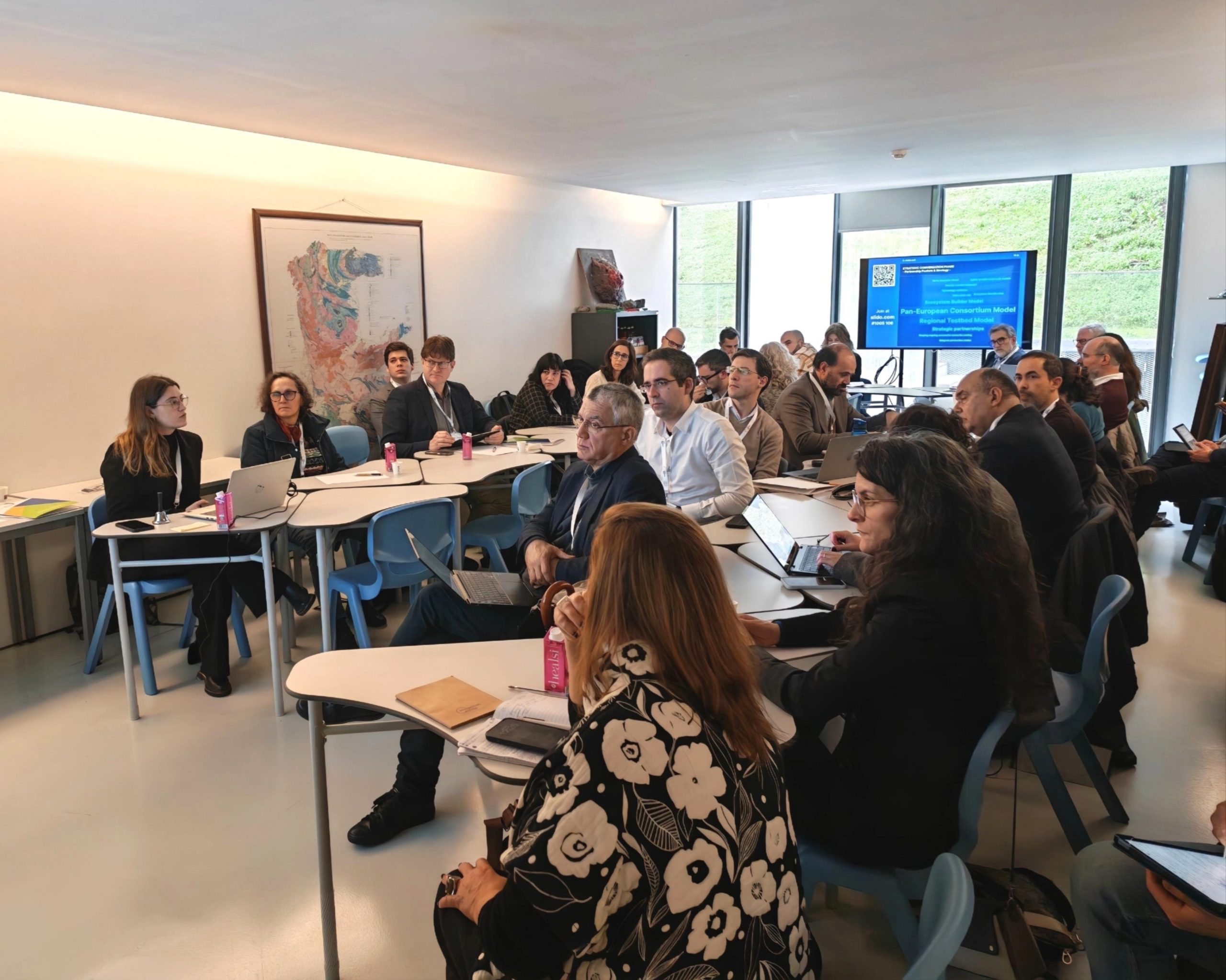
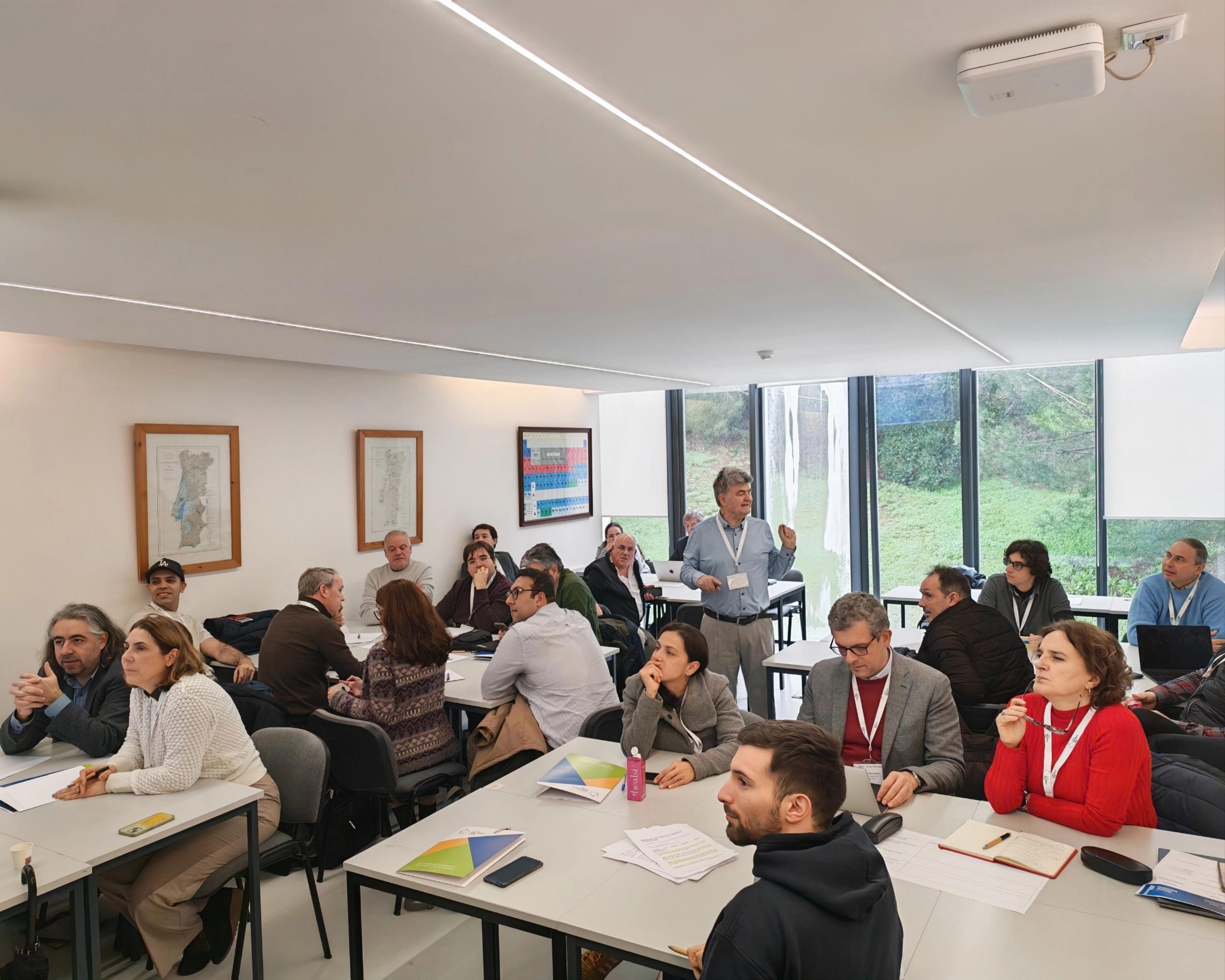
Participants then worked through a structured methodology that guided the parallel thematic sessions, each aligned with the Policy Windows associated with FP10 and the ECF. These sessions addressed major transformation domains, including:
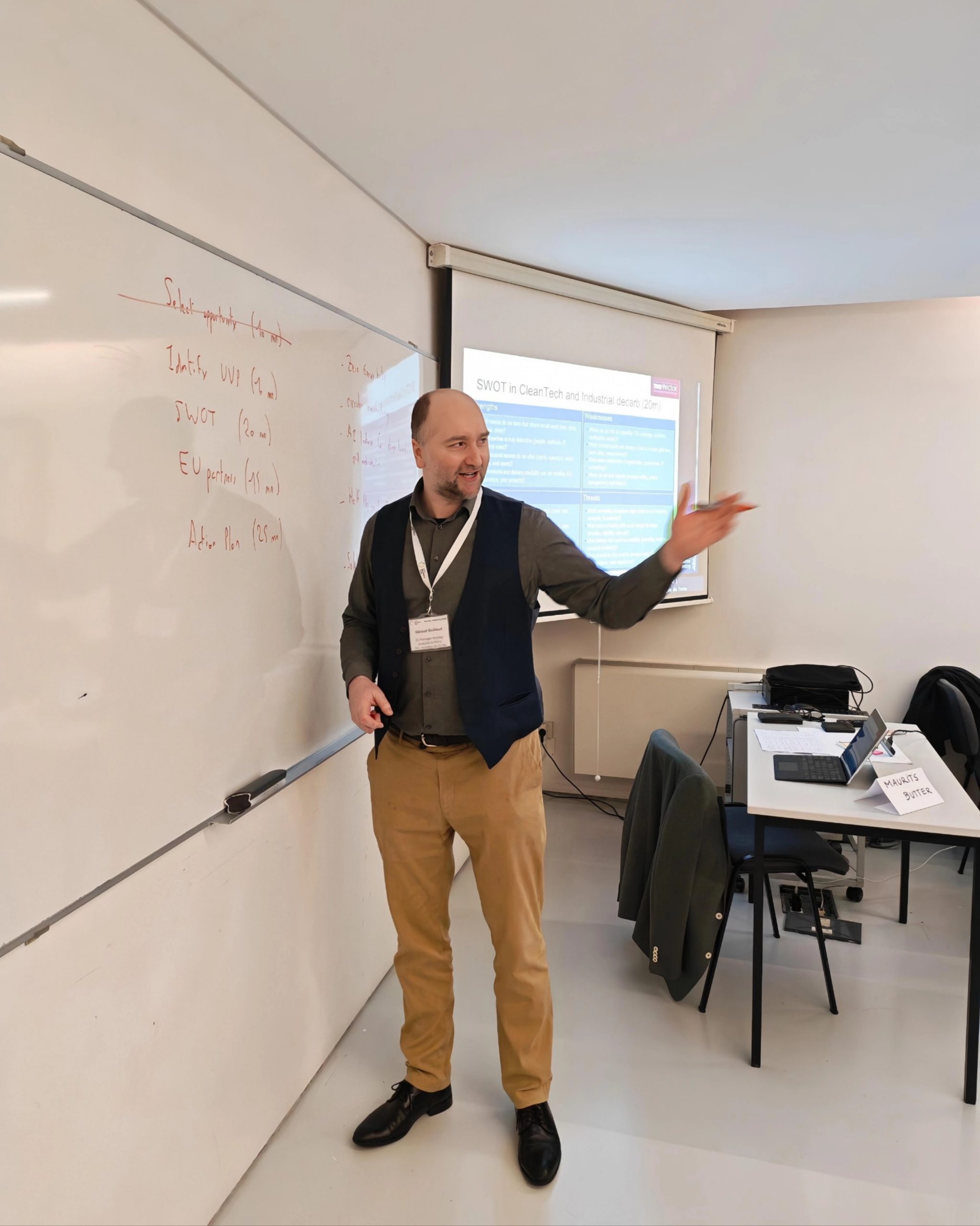
- Clean Transition & Industrial Decarbonisation (Moderator: Maurits Butter, TNO)
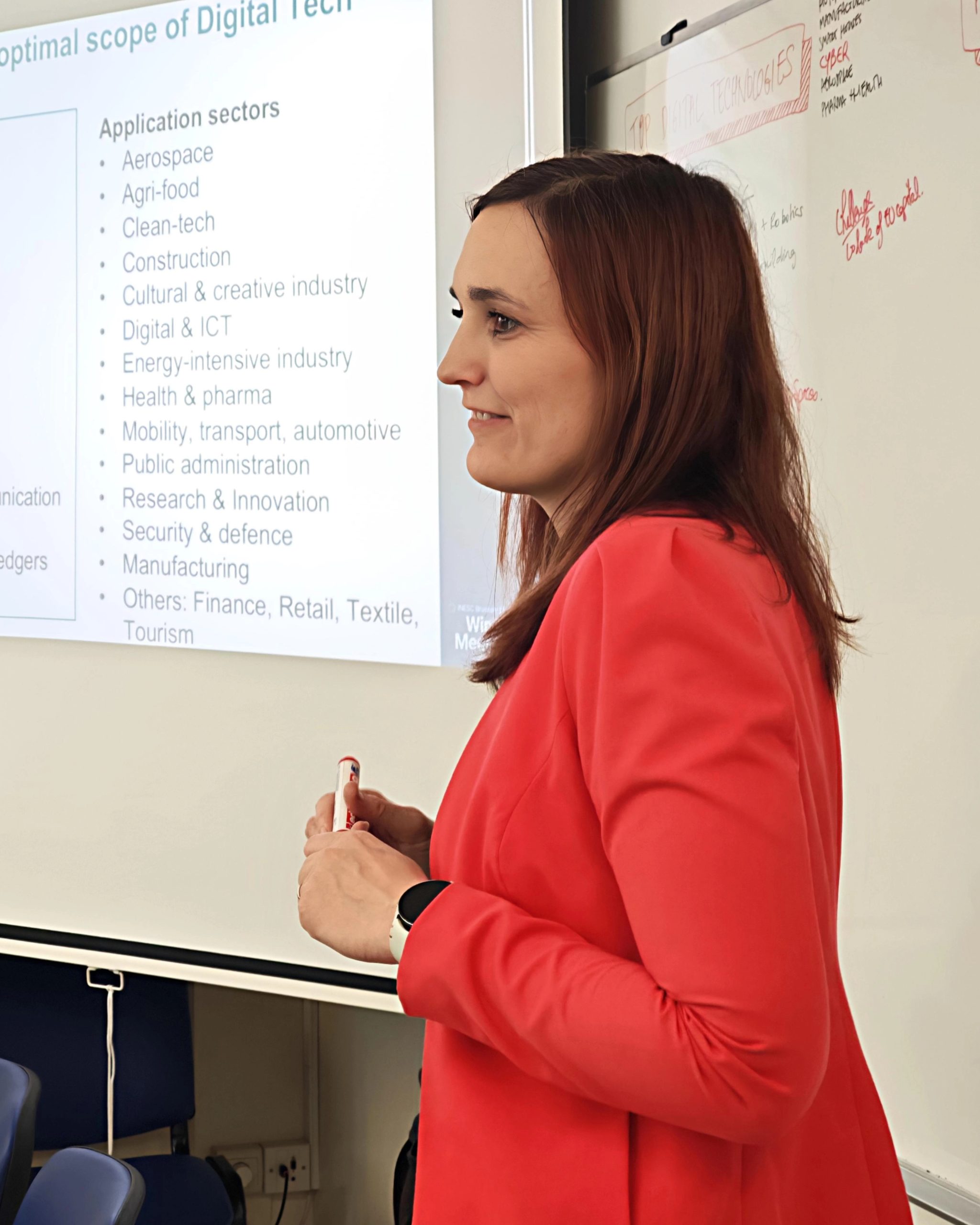
- Digital Leadership (Moderator: Sophie Viscido, EuroTech Universities Alliance)
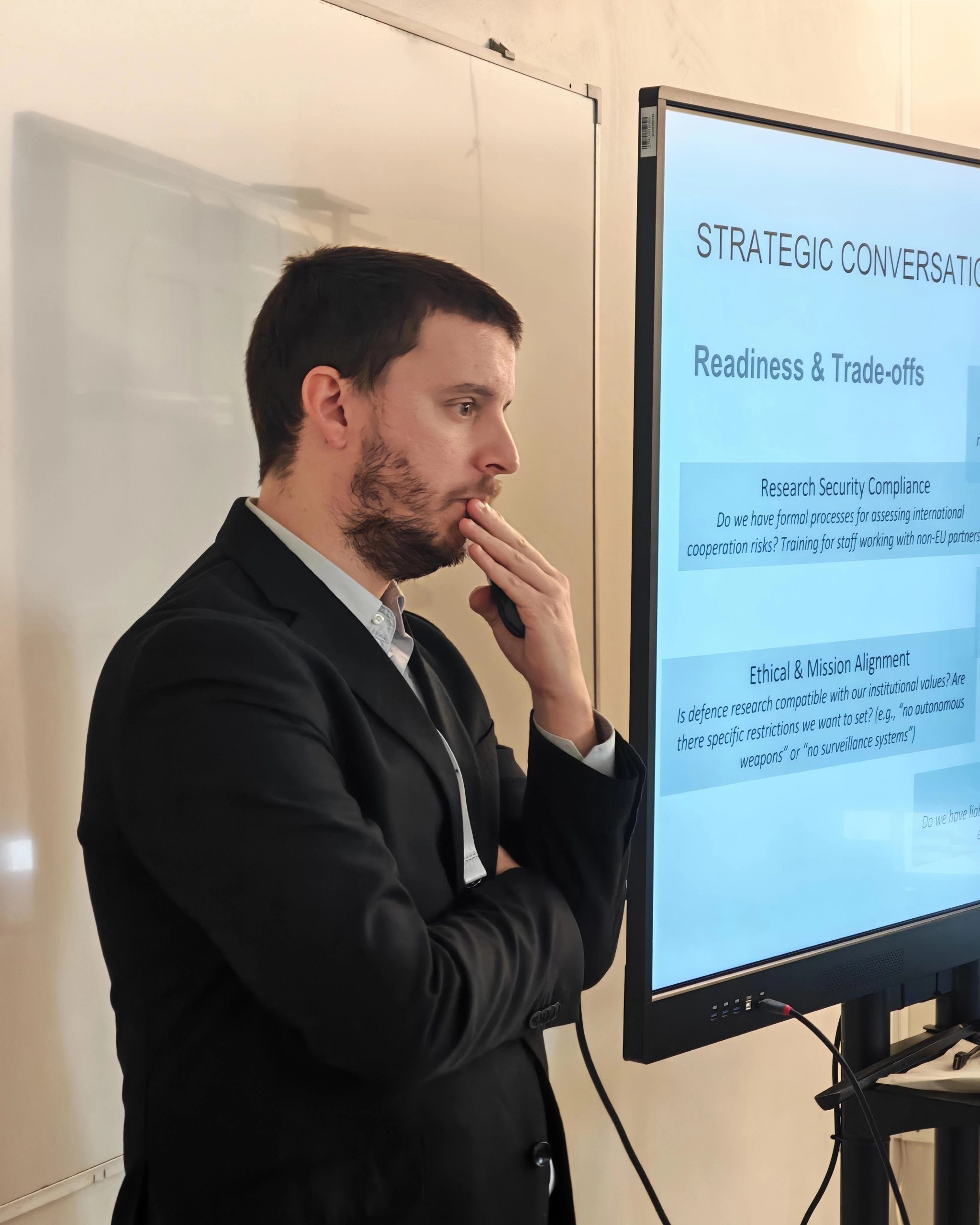
- Resilience, Security, Defence Industry & Space (Moderator: Ana Paula Mesquita, Magellan)
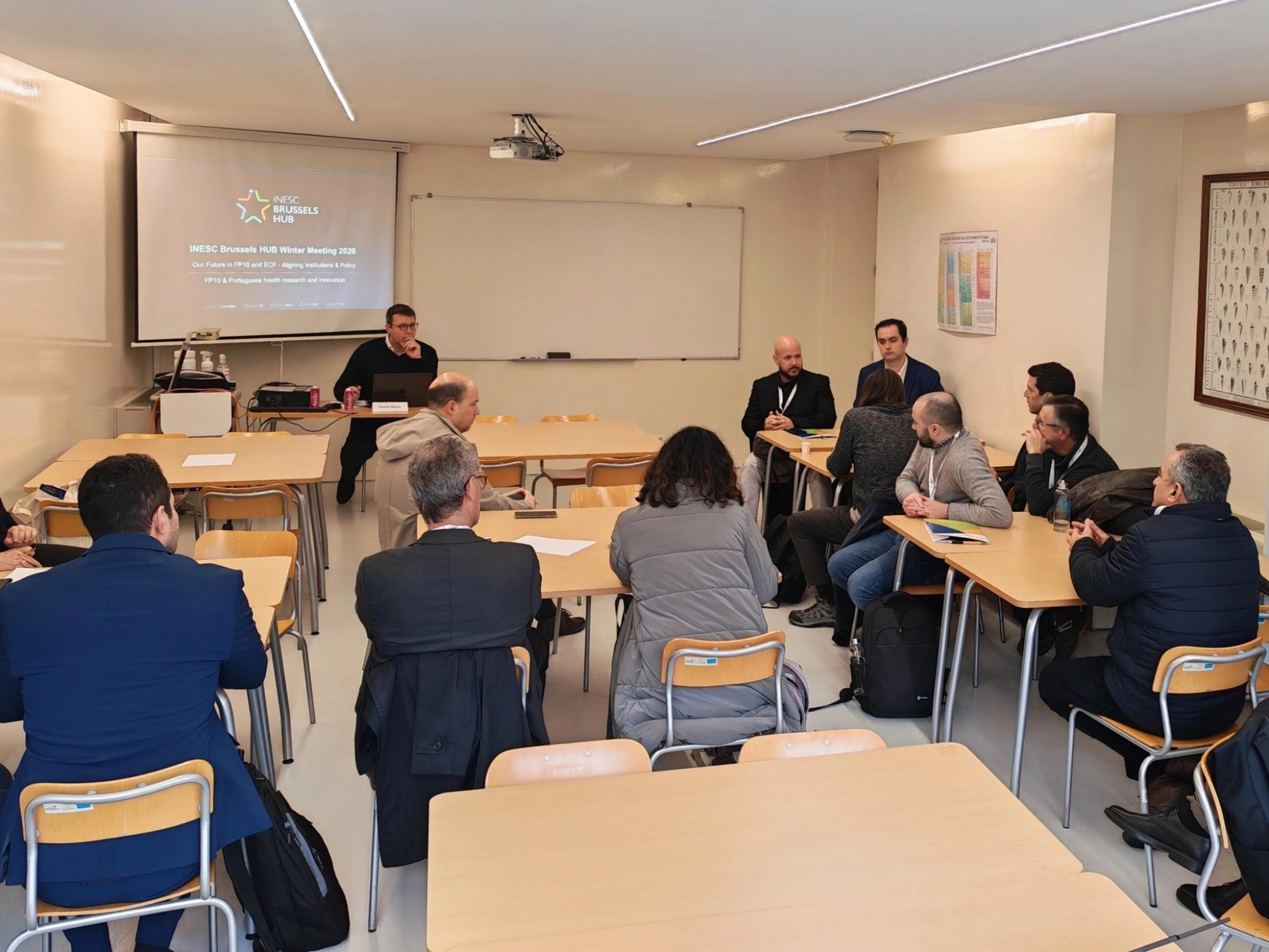
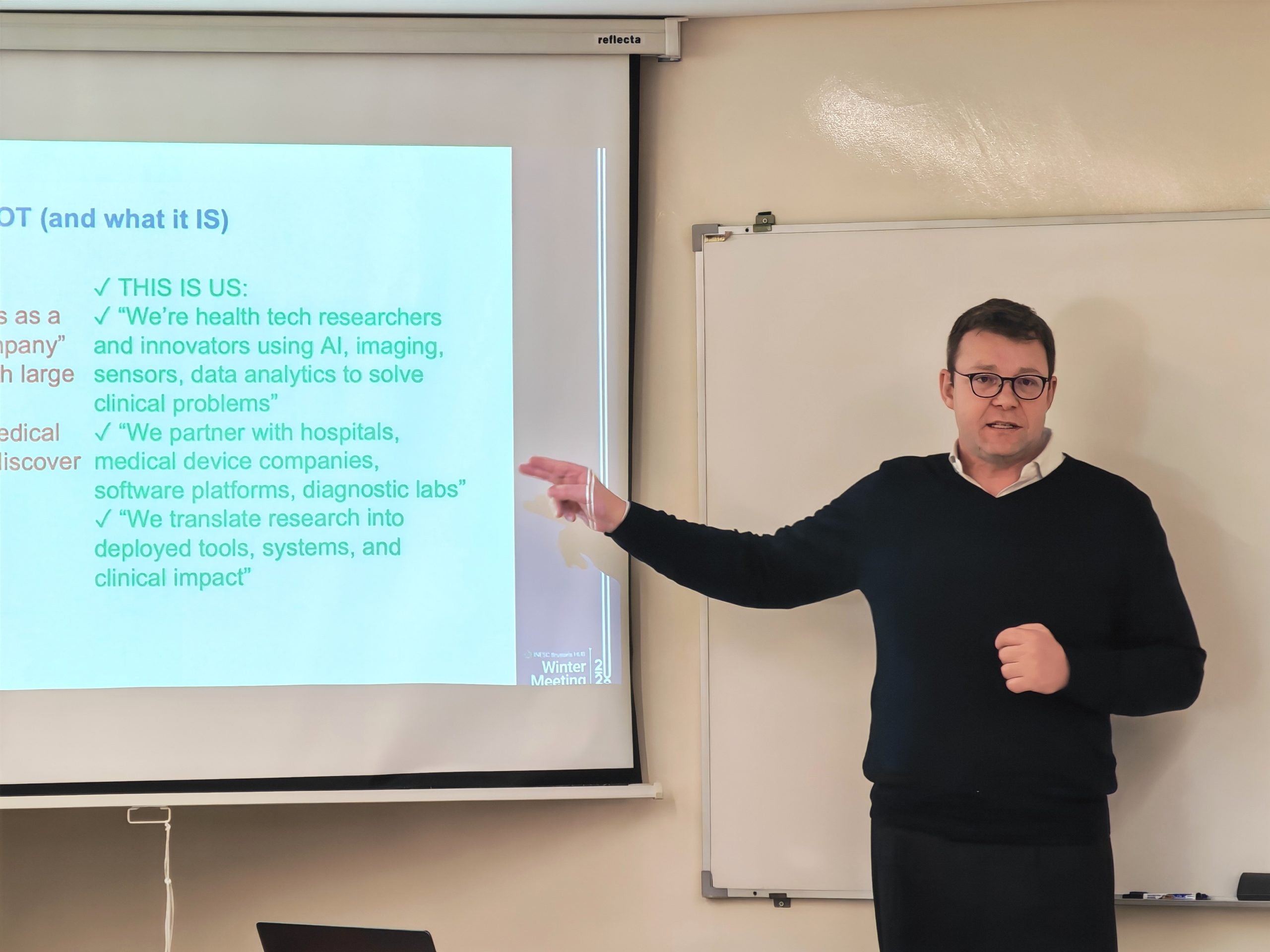
- Health, Biotech, Agriculture & Bioeconomy (Moderator: Ricardo Migueis, INESC Brussels HUB)
Across the different groups, participants examined institutional preparedness, explored thematic opportunities and gaps, and reflected on how to position their teams and organisations for the next phase of the European research and innovation cycle.
A Shared Strategic Horizon for FP10 and Beyond
The 2026 Winter Meeting underscored the commitment of the INESC ecosystem to proactively prepare for the next European R&I cycle, with a focus on contributing to (and helping shape) the future of FP10 and the ECF. Through strategic dialogue, institutional reflection and new forms of collaboration, including the landmark MoU with the JRC, this year’s edition strengthened the foundations for a more coherent, aligned and influential presence of INESC in the European research and innovation landscape.
The work moving toward FP10 now continues across institutes, policy arenas, and research communities, supported by renewed momentum and a growing sense of shared purpose for Europe’s next chapter.


Tagged:
More Articles


17/04/2025 – Budgeting for Ambition: Why Europe’s R&I Strategy Needs Urgency, Not Excuses
In today’s Insider Newsletter: While China races ahead in R&I and the US retools for AI supremacy, Europe risks becoming a continent of consultations and underfunded strategies. New OECD data reveals a


04/04/2025 – A Biased Account of the AI Global Industry News
In today’s Insider Newsletter: The title of this week’s edition emphasises the informational (and fun!) column of The Insider AI (biased) expert, Ana Costa e Silva, PhD in AI, MBA , on


27/03/2025 – Rethinking RTIs: Building the Framework Conditions Europe Needs
In today’s Insider Roundup Newsletter: Editorial If there’s one thing we’ve learned from history, it’s that scientific breakthroughs alone don’t drive progress, strong research and technology infrastructures (RTIs) do. Without