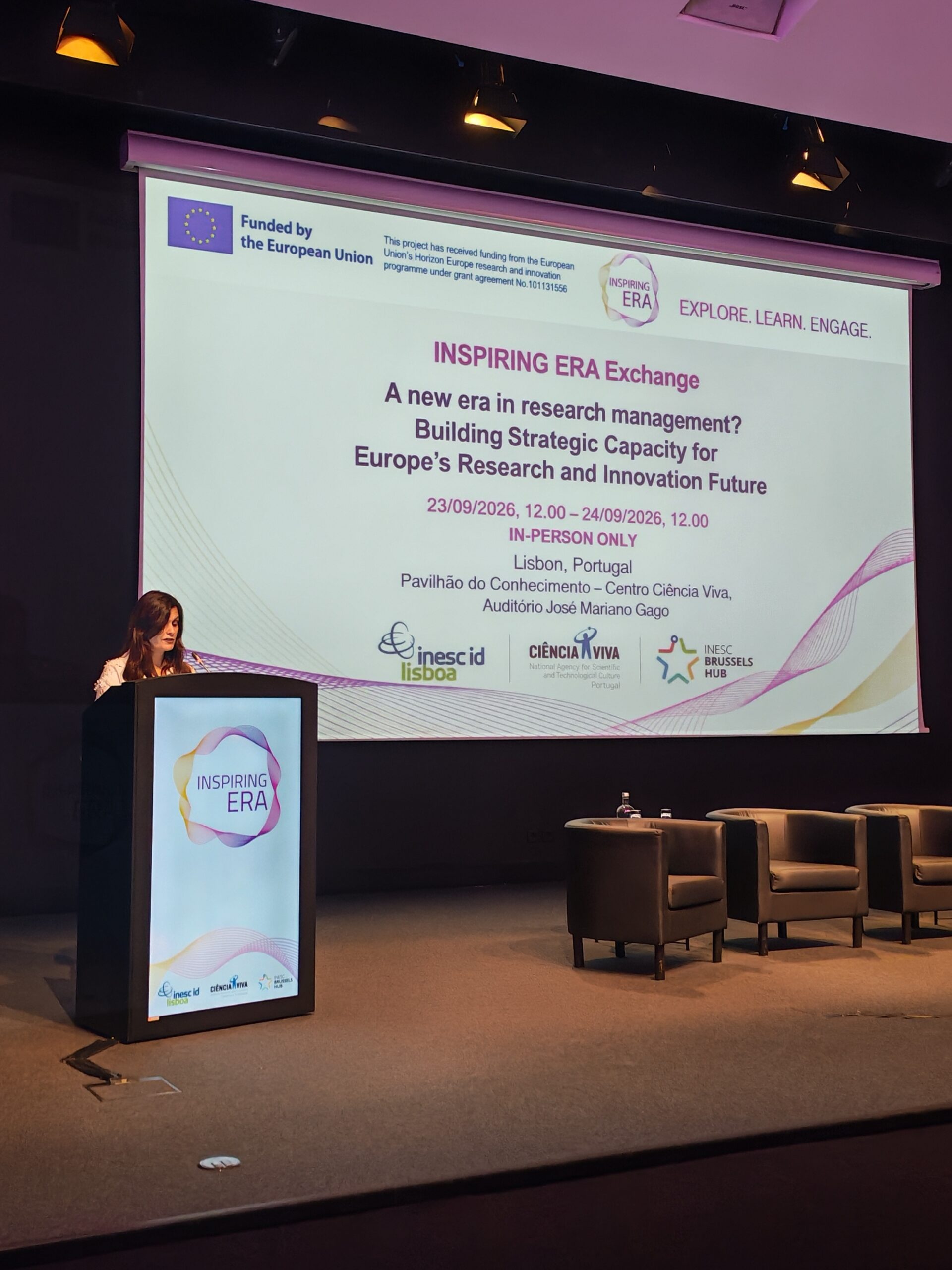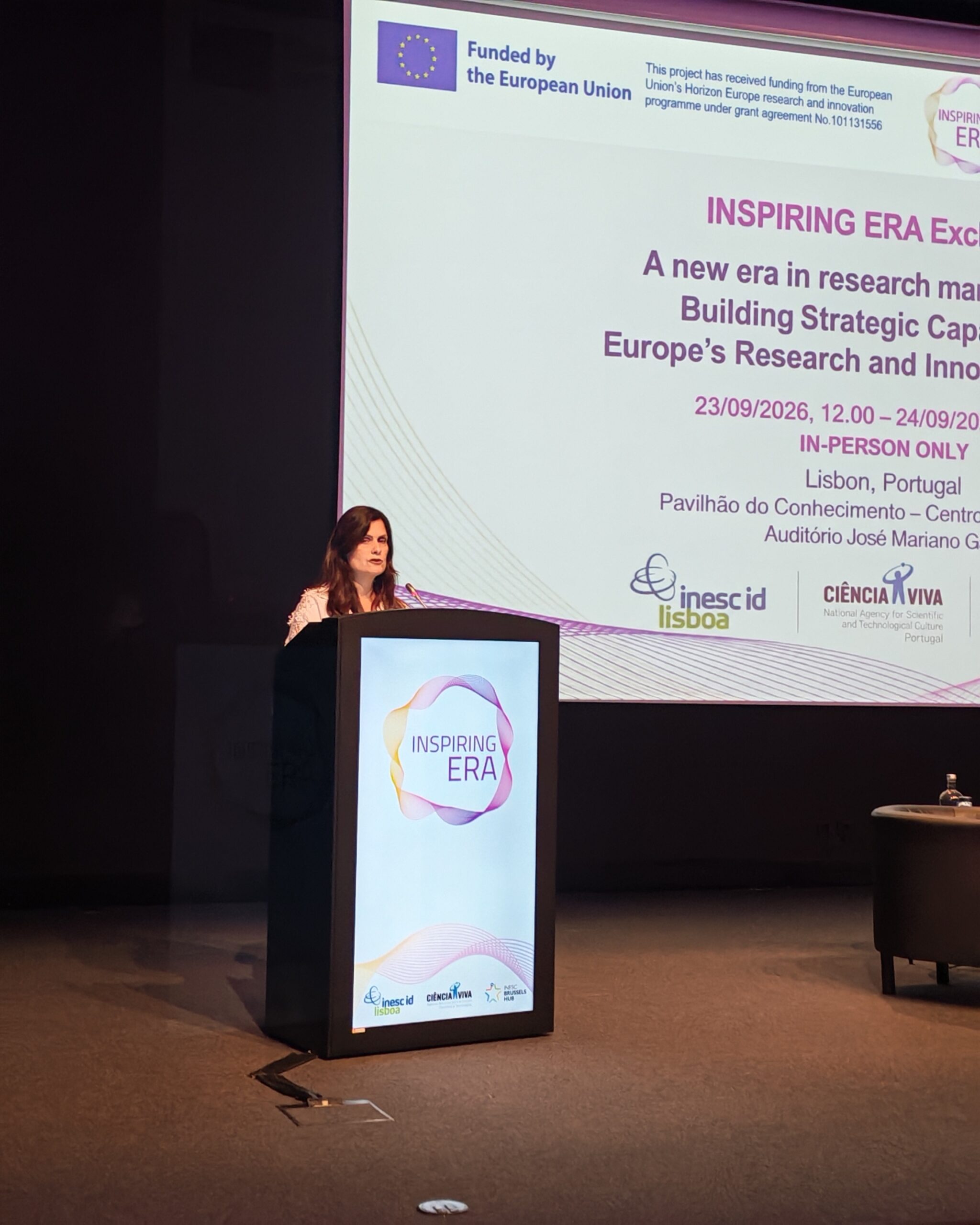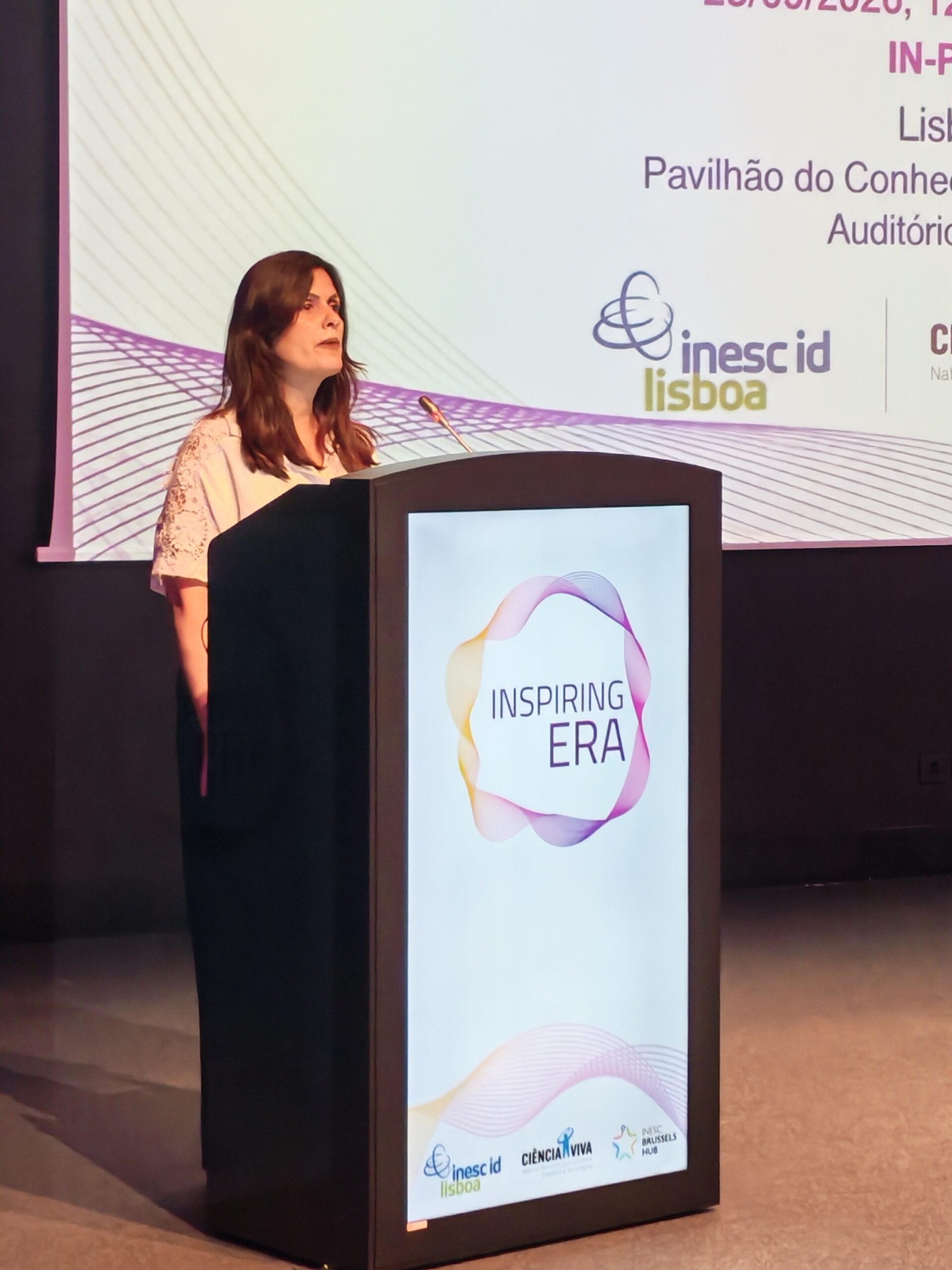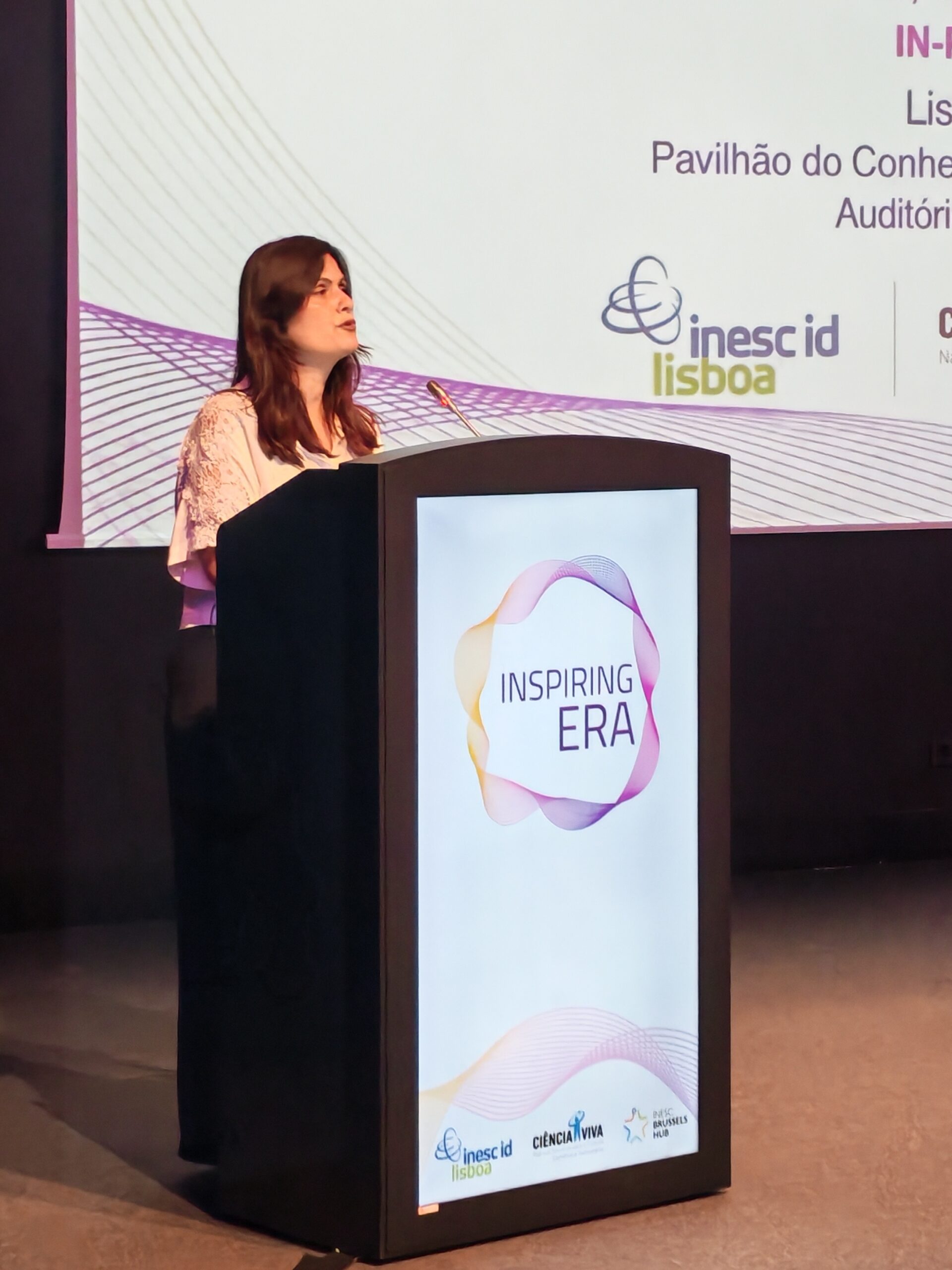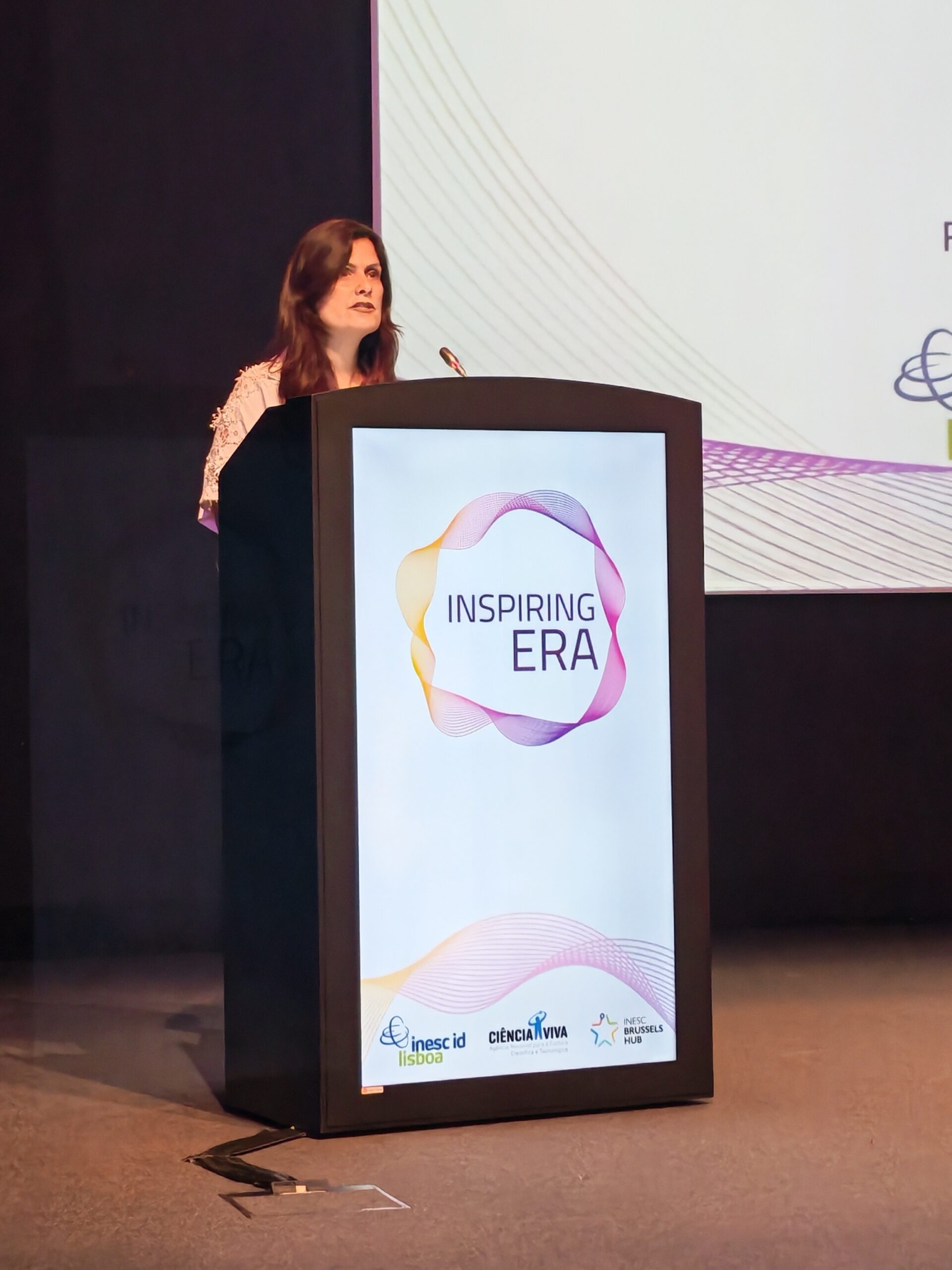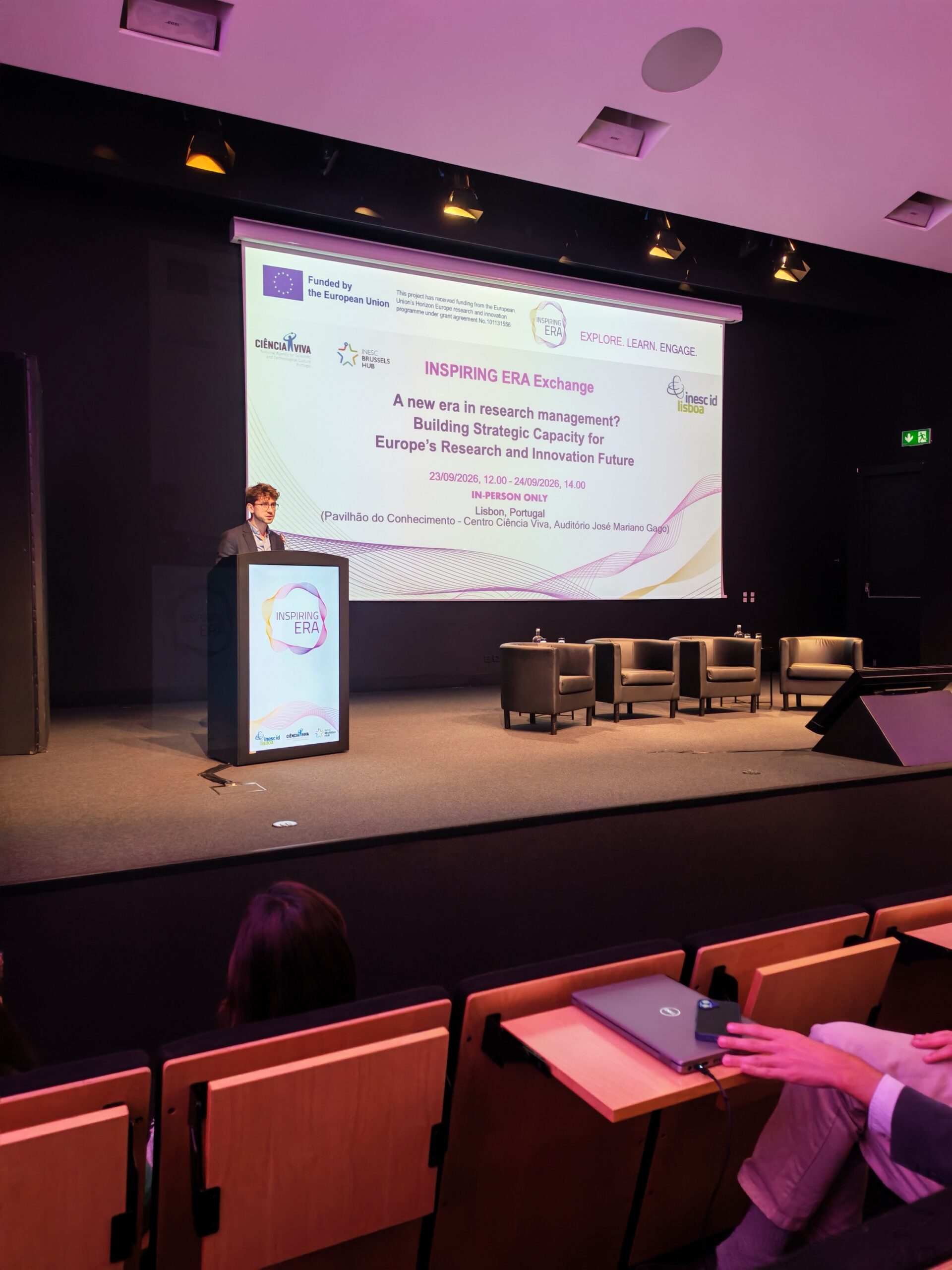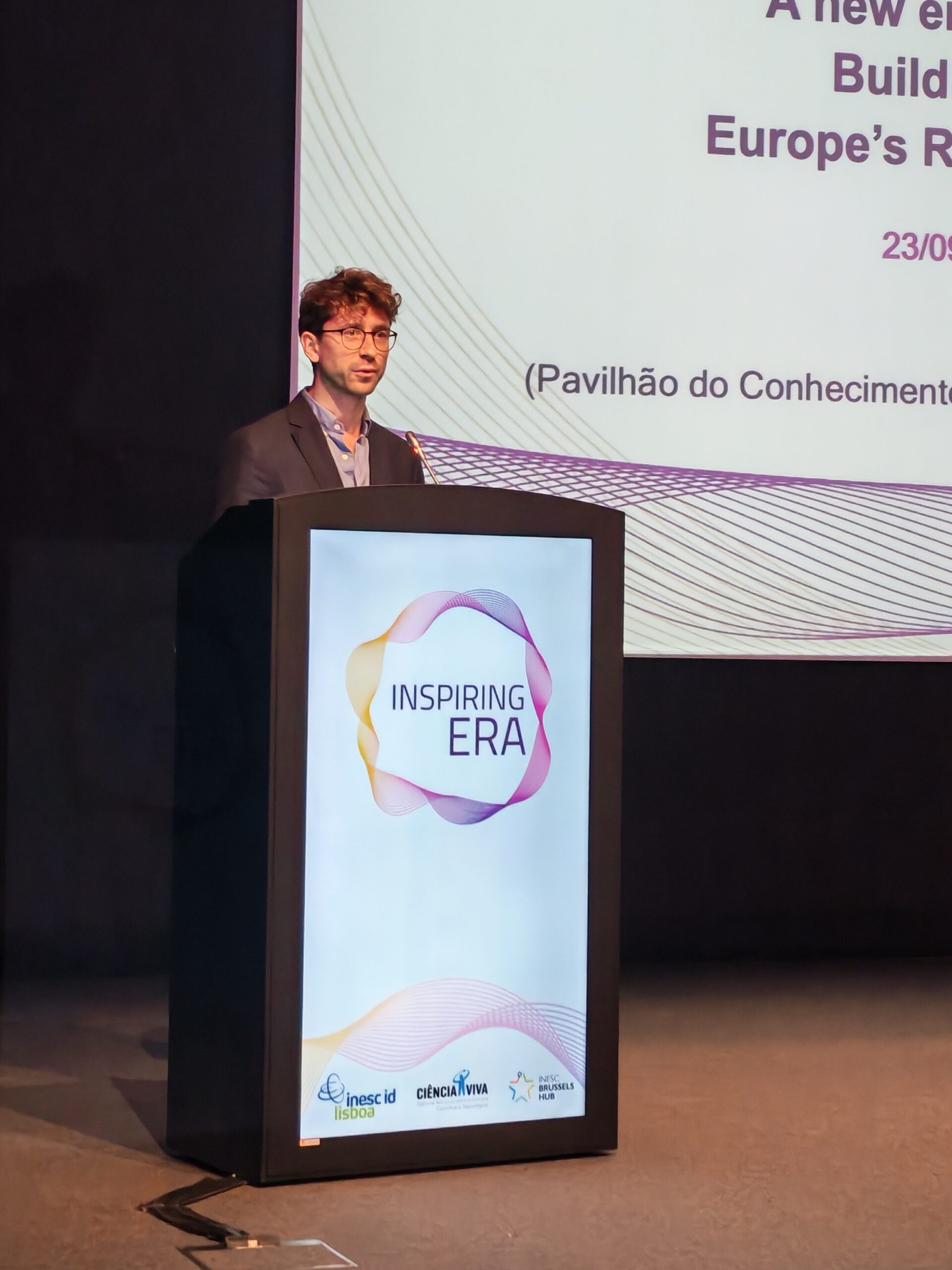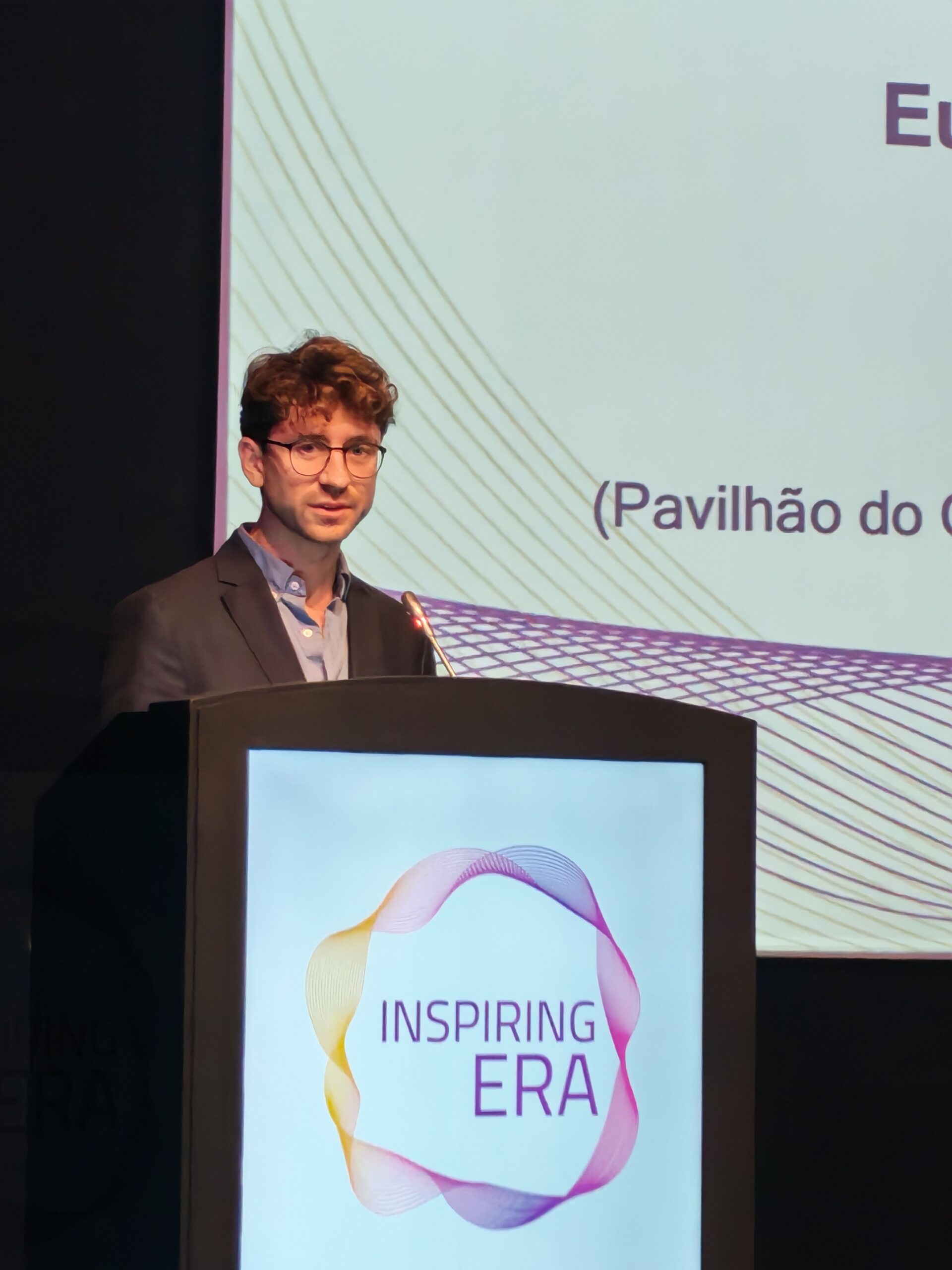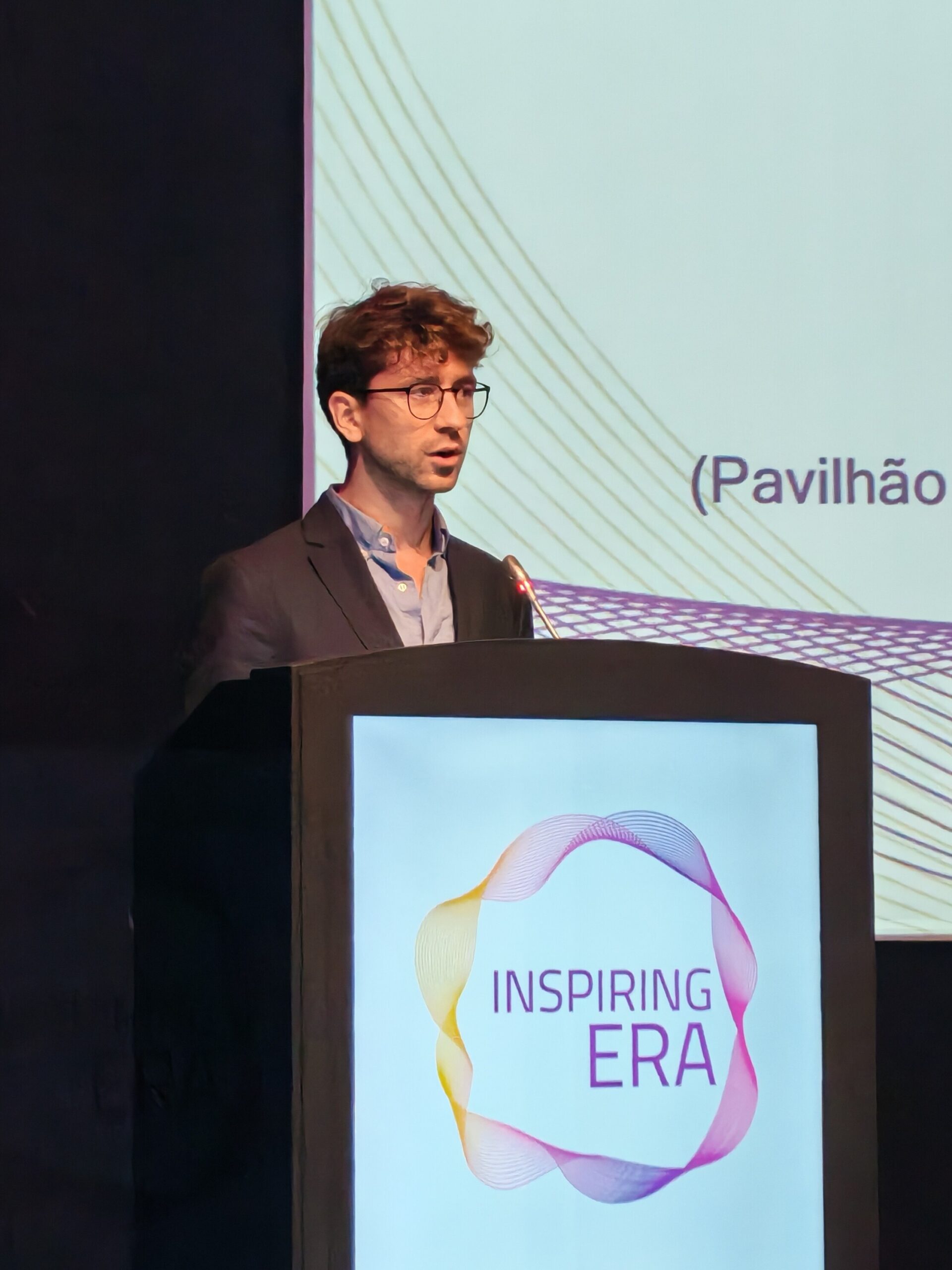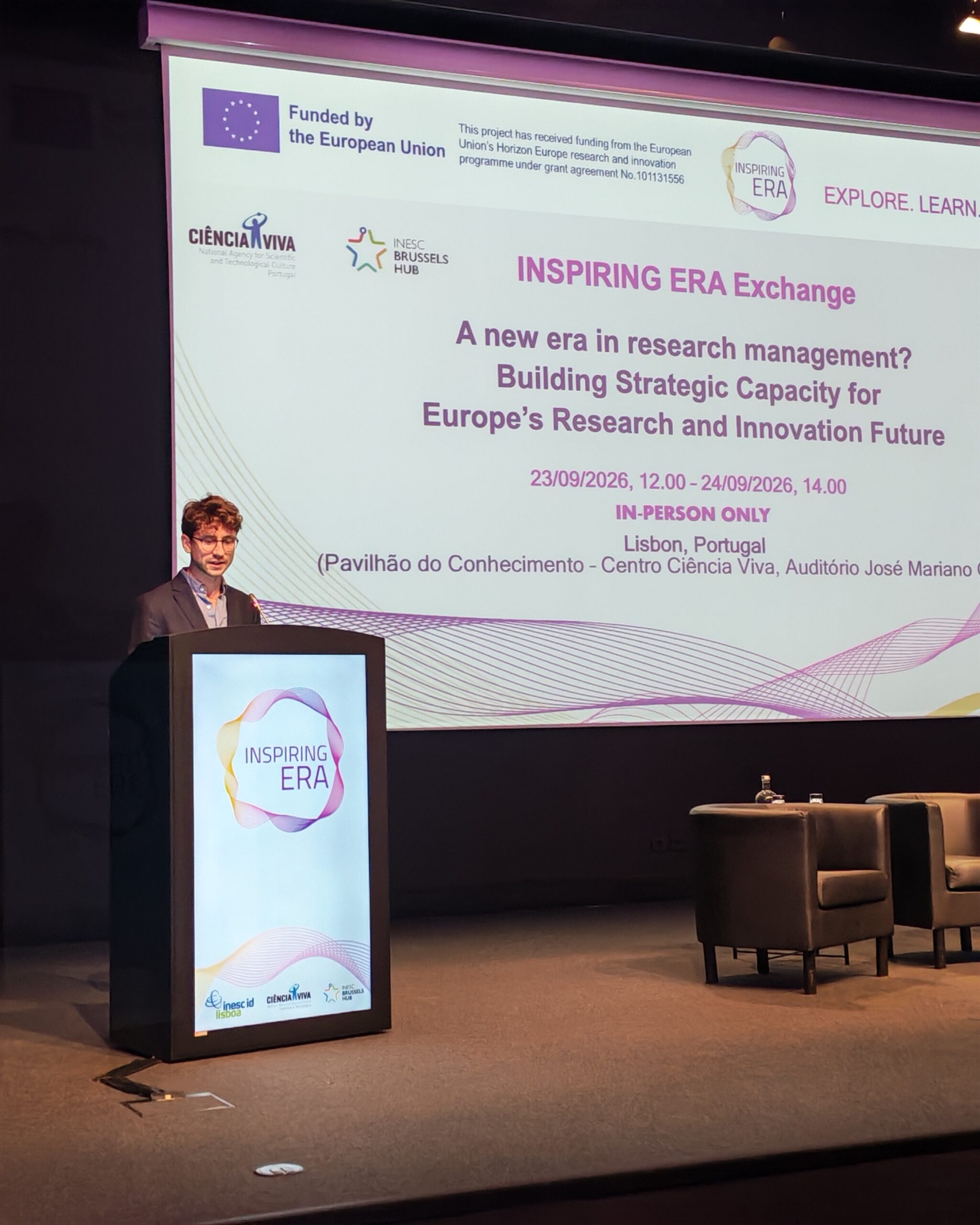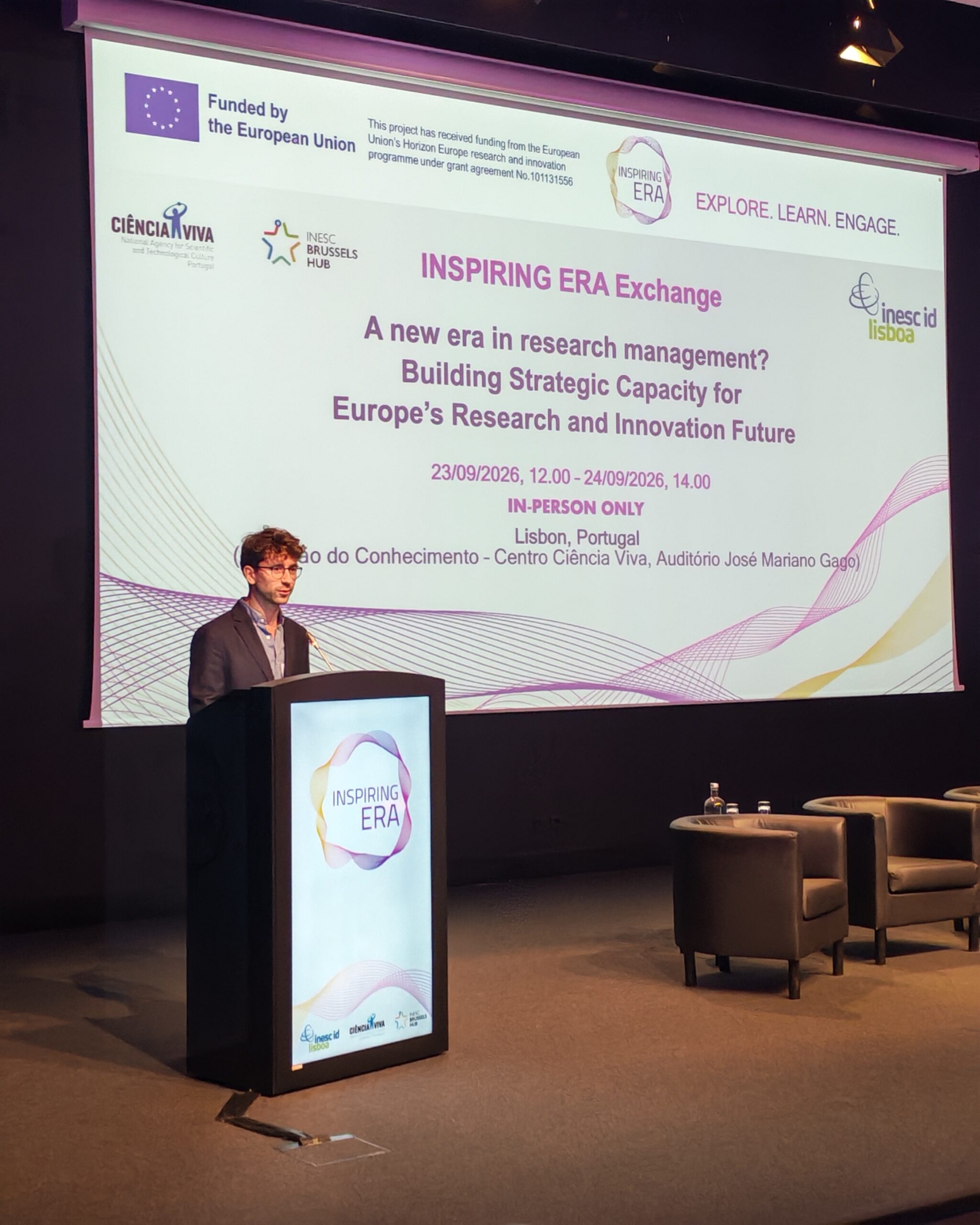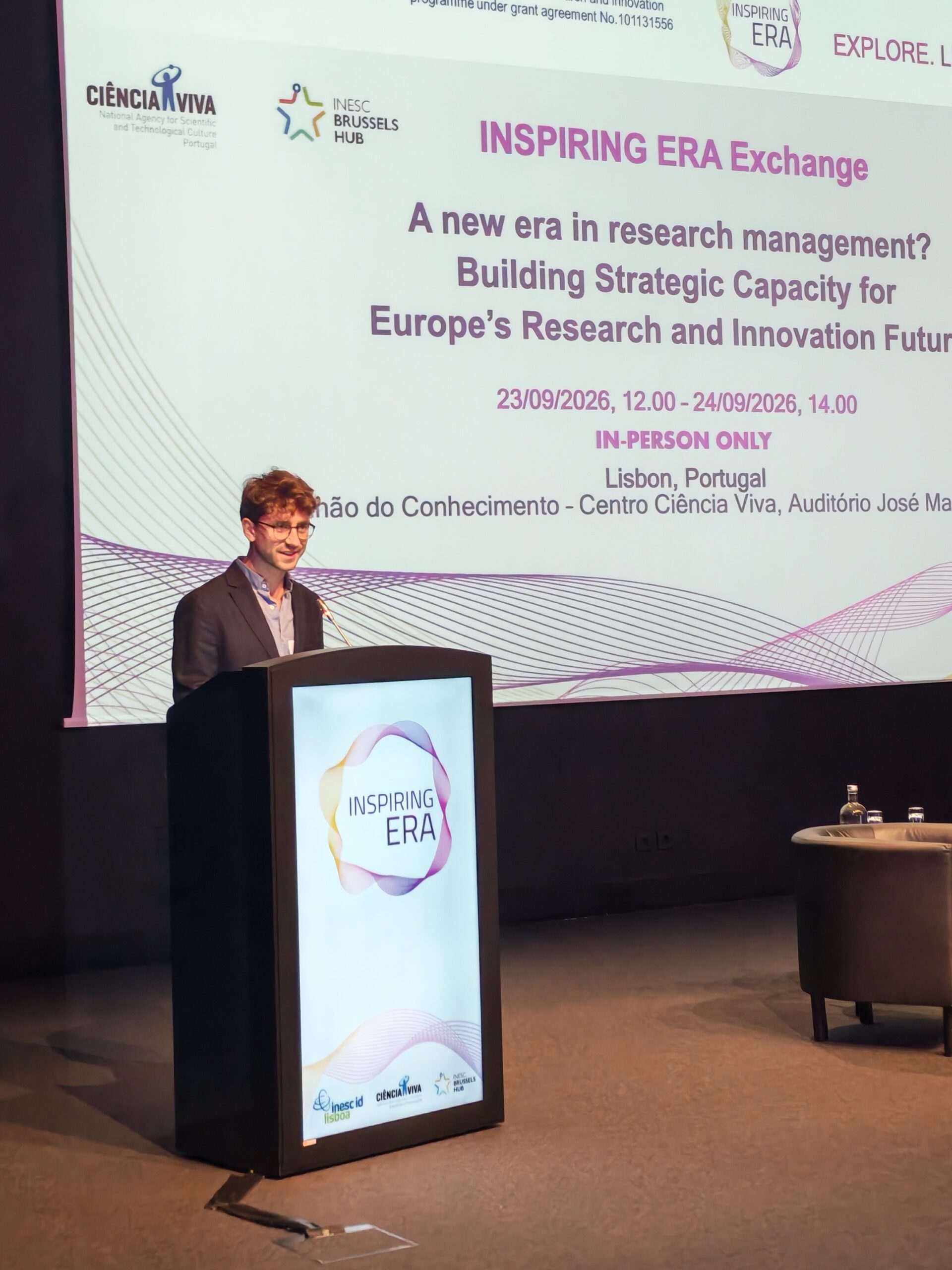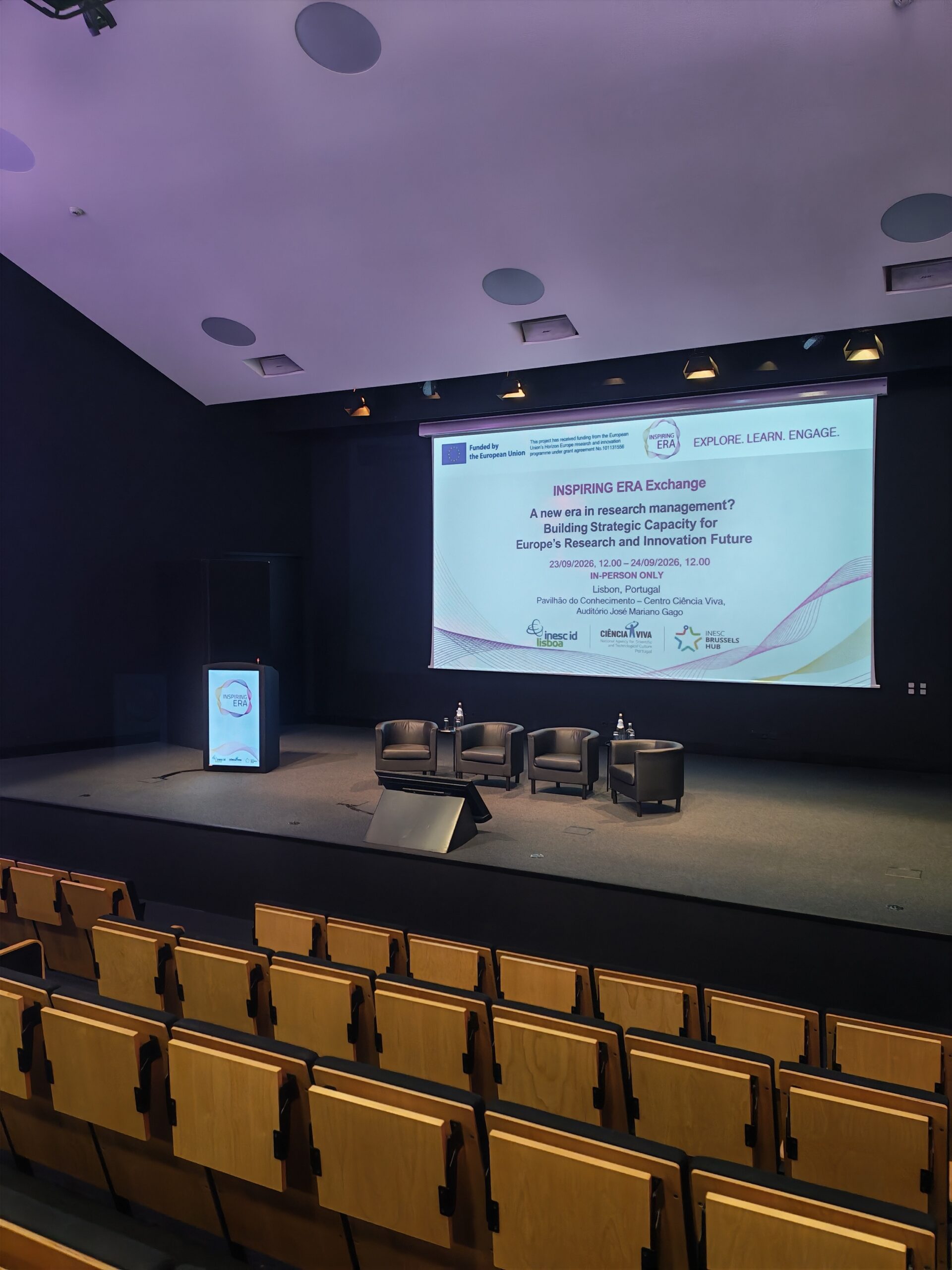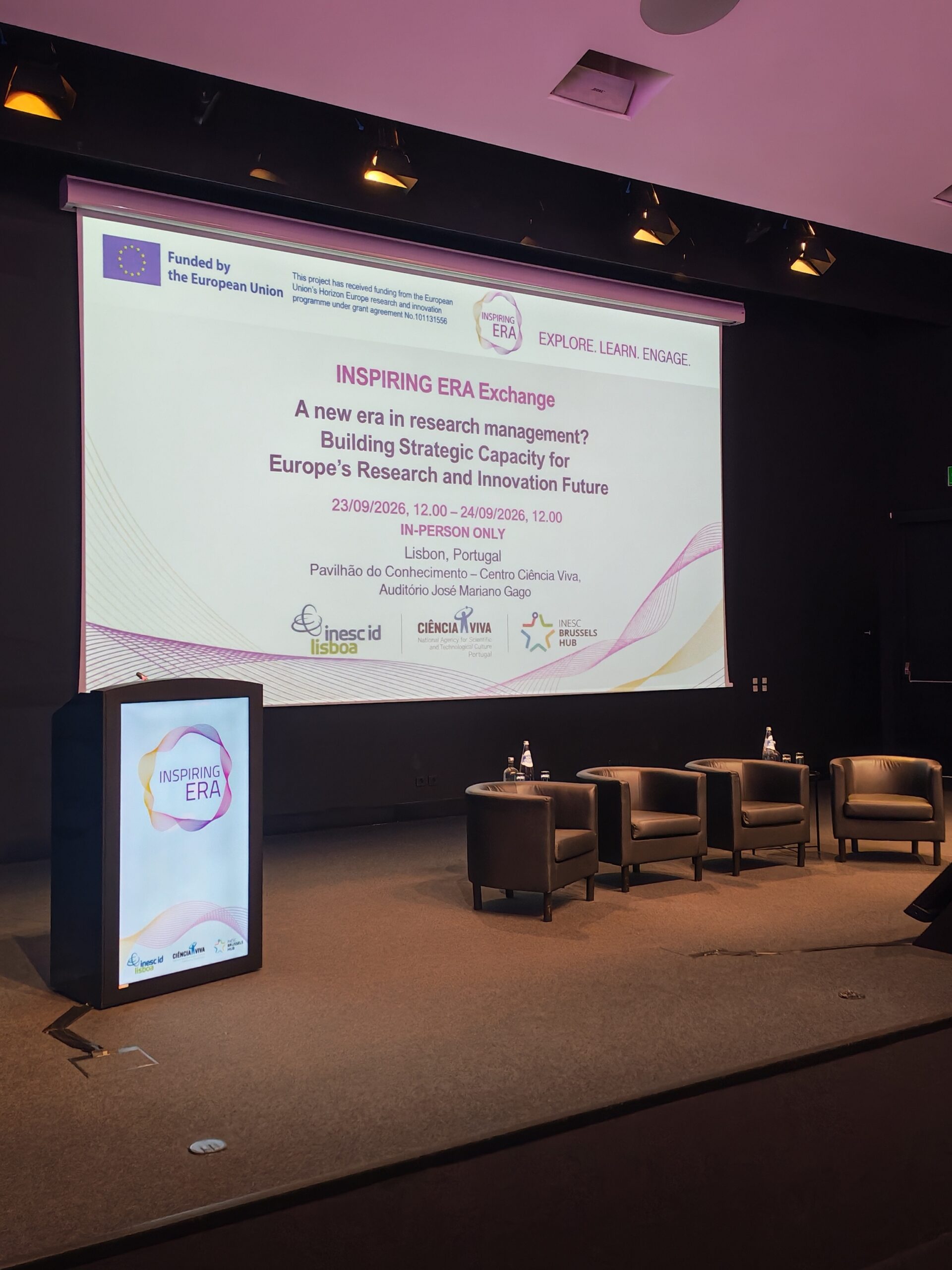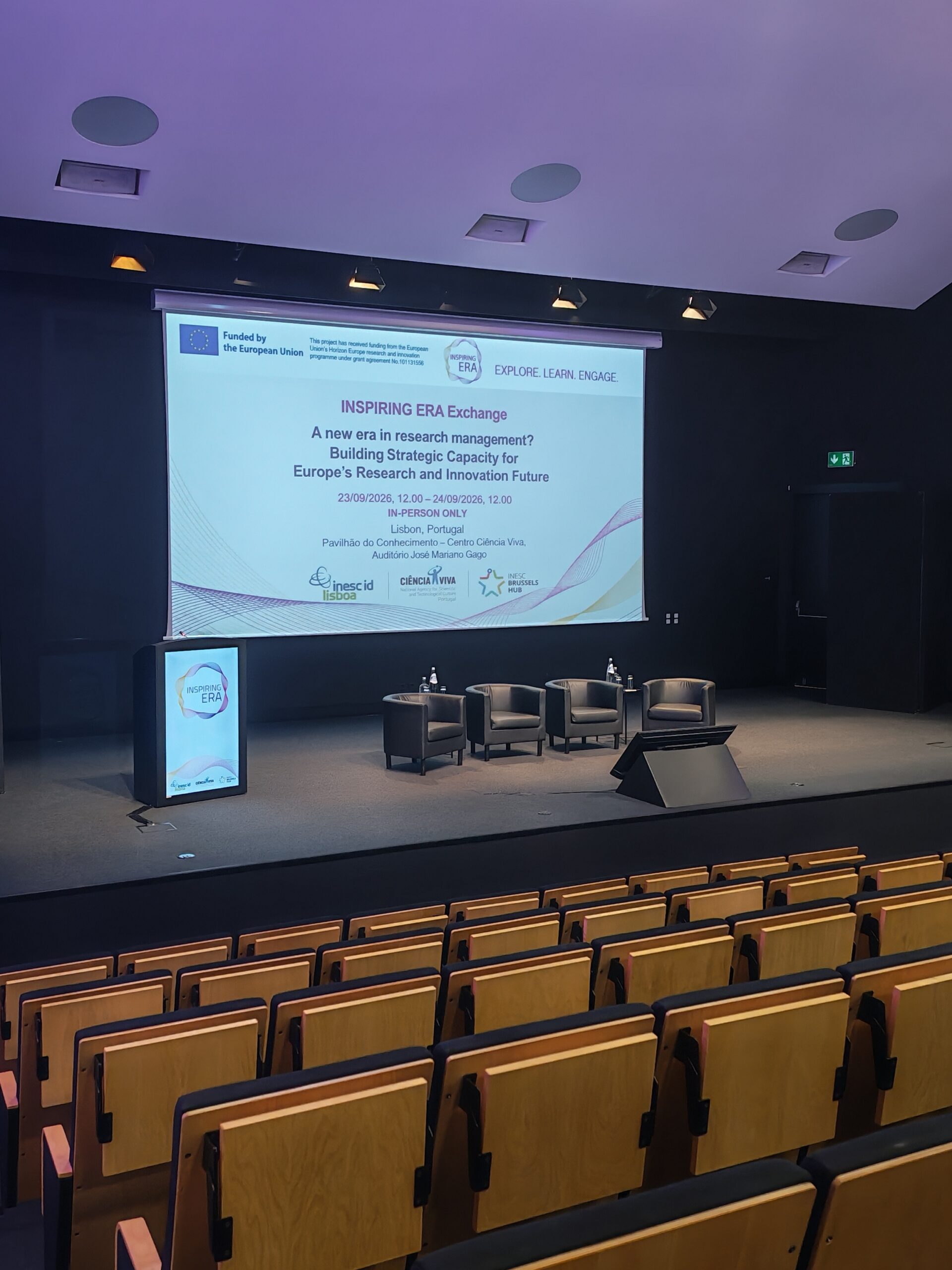
INSPIRING ERA Exchange in Lisbon explores how to build strategic capacity for research management in Europe
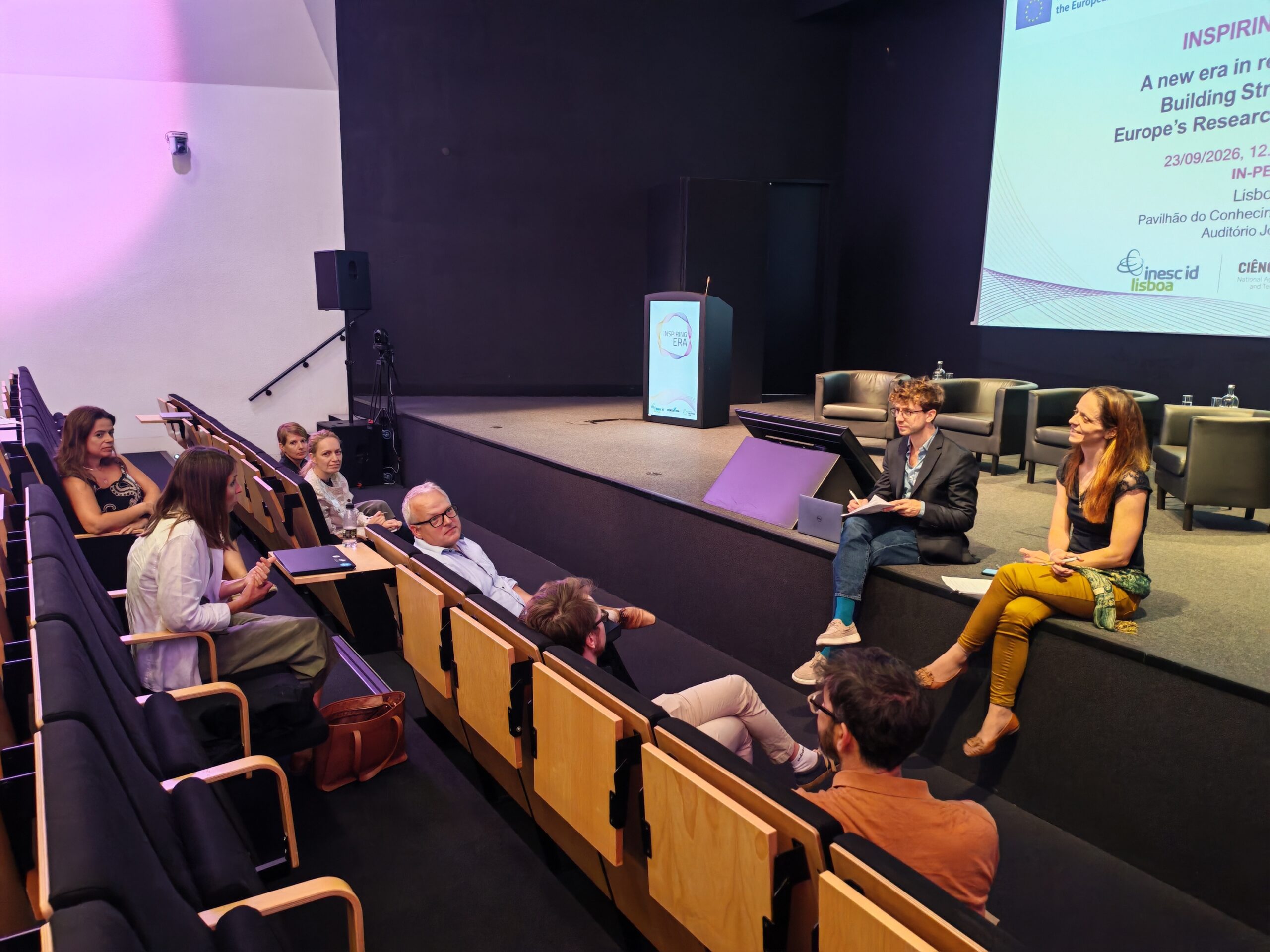
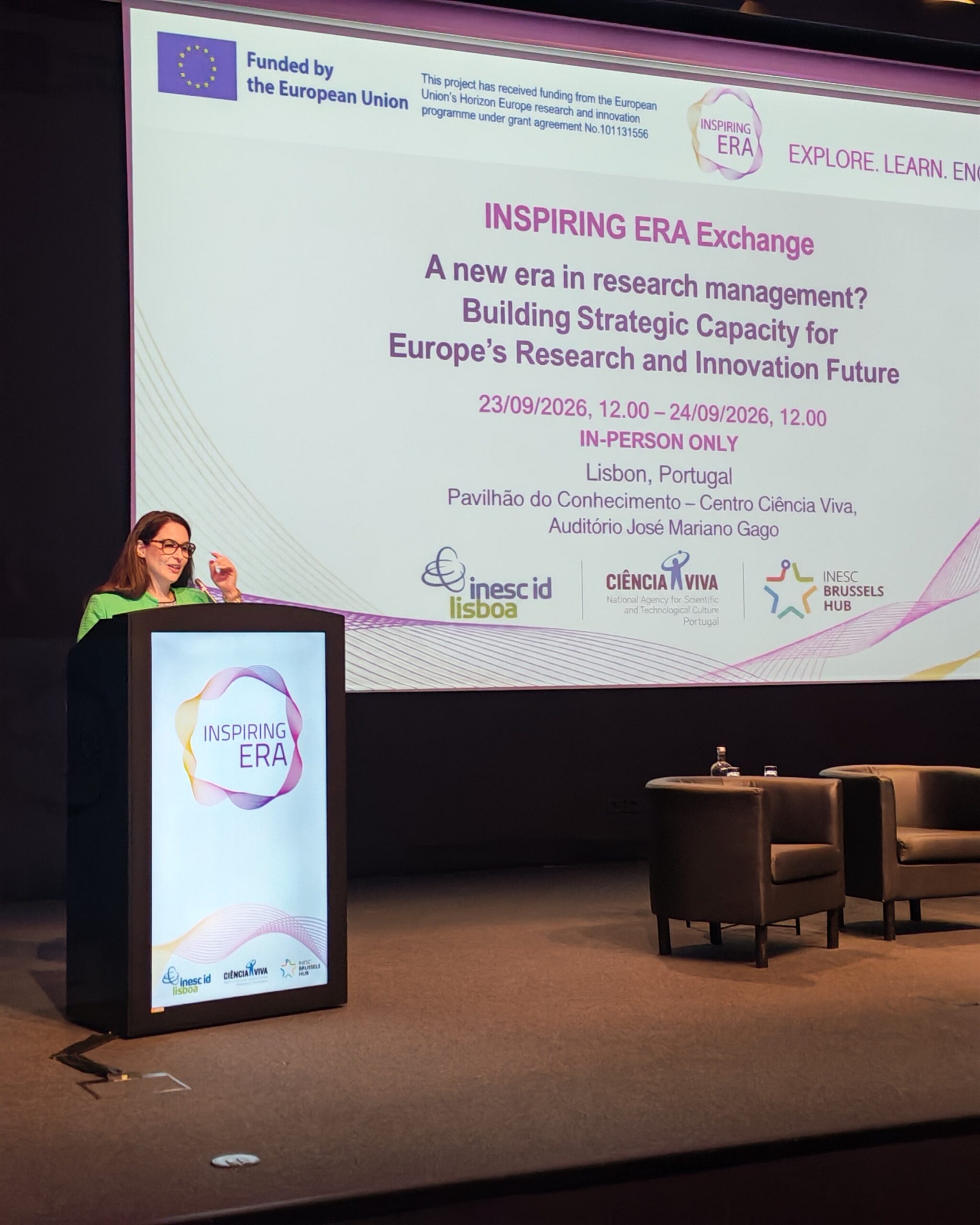
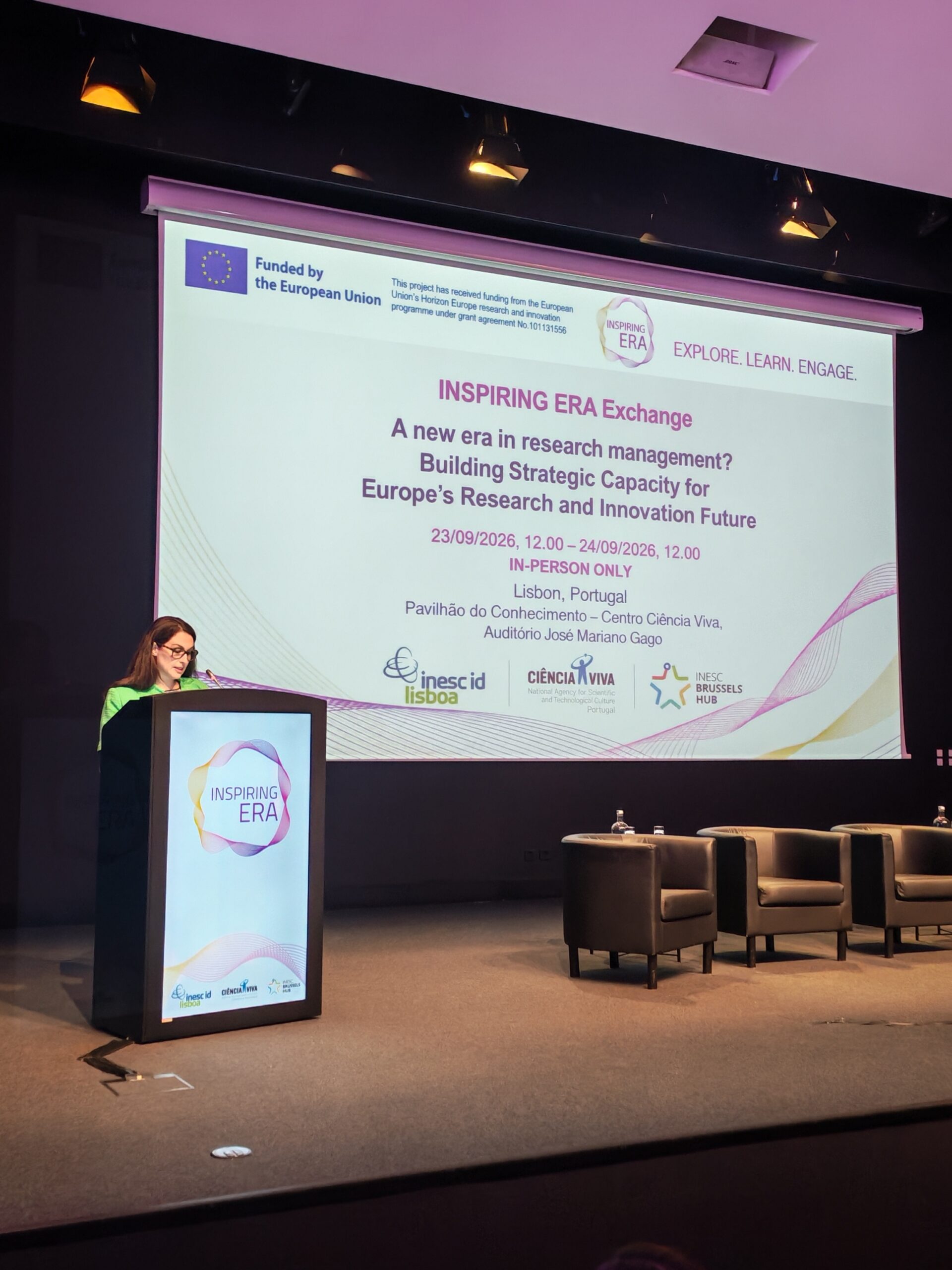
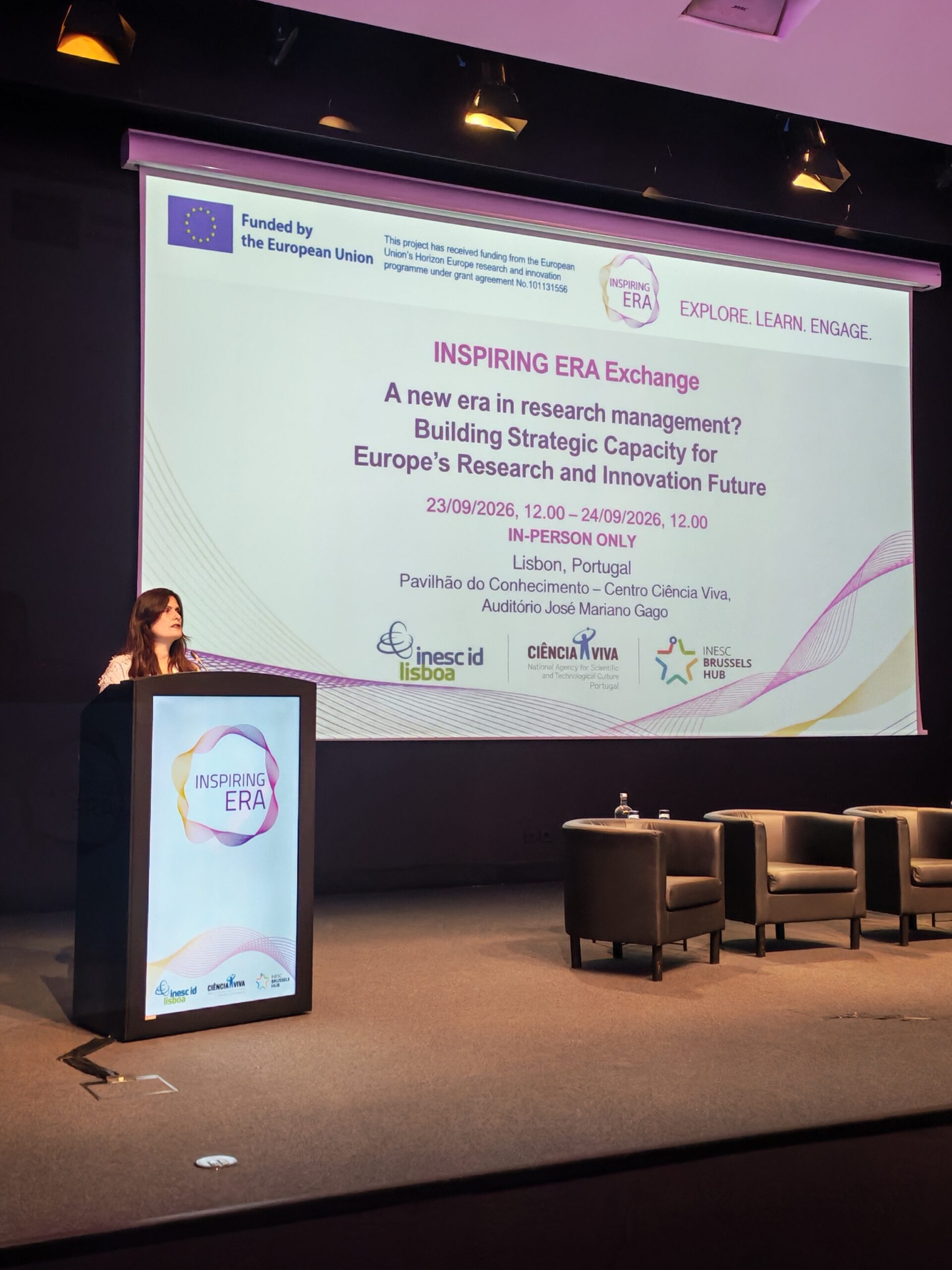
How can research management become a more recognised profession, with clearer career pathways and a stronger role in shaping research institutions? These questions brought together research managers, policymakers and institutional representatives from across Europe for the INSPIRING ERA Exchange, held in Lisbon on 23–24 September 2026.
—
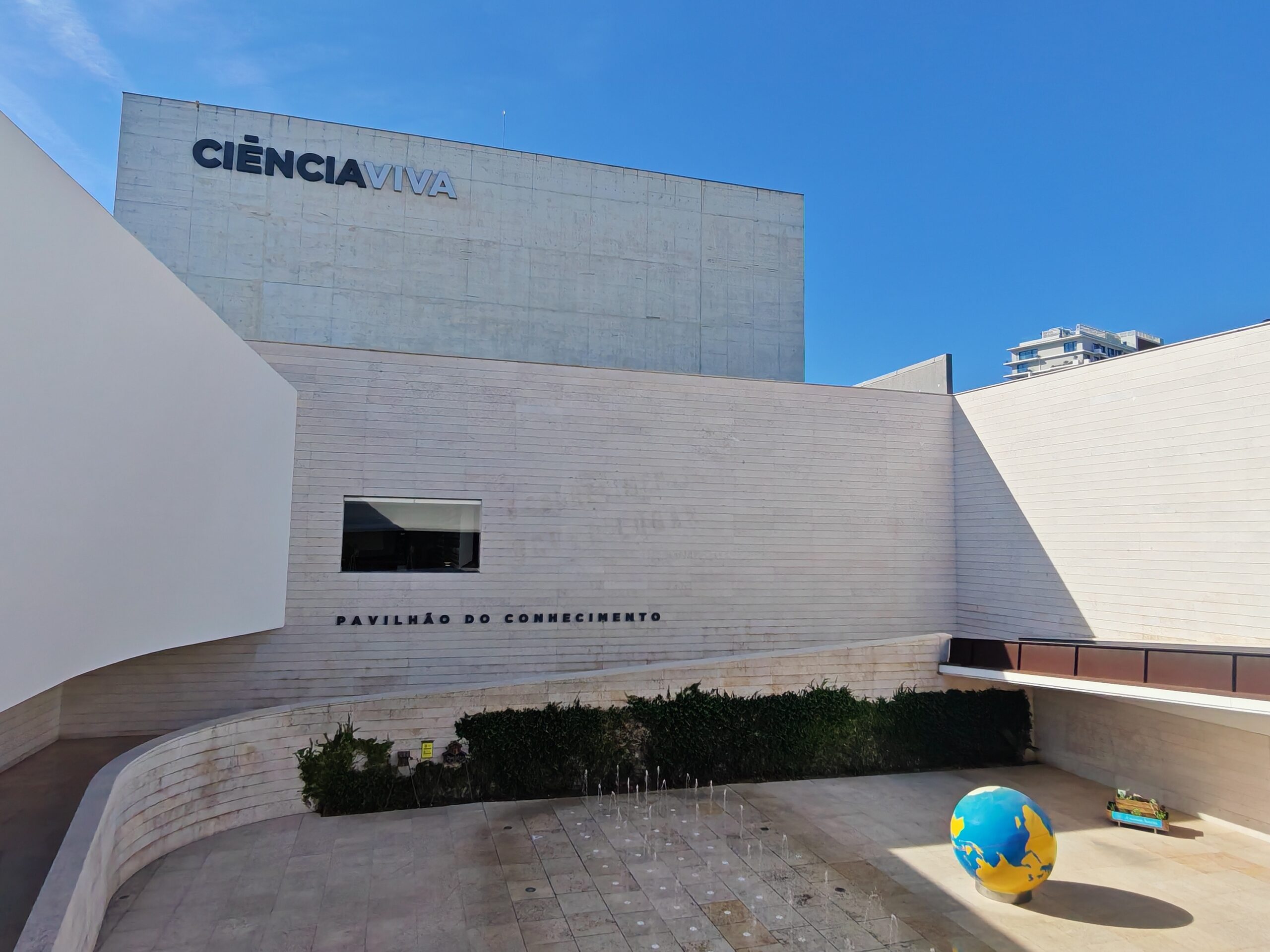
Hosted at Pavilhão do Conhecimento – Ciência Viva, the Exchange, “A New ERA in Research Management? Building Strategic Capacity for Europe’s Research and Innovation Future”, explored the challenges facing the profession and the practical approaches being developed to strengthen research management capacity across Europe.
The event took place within INSPIRING ERA, a project led by the Polish National Centre for Research and Development (NCBR). INESC Brussels HUB and INESC-ID supported the organisation of the Lisbon Exchange alongside the INSPIRING ERA team, with Ciência Viva hosting the event.
Recognition, career pathways and institutional change
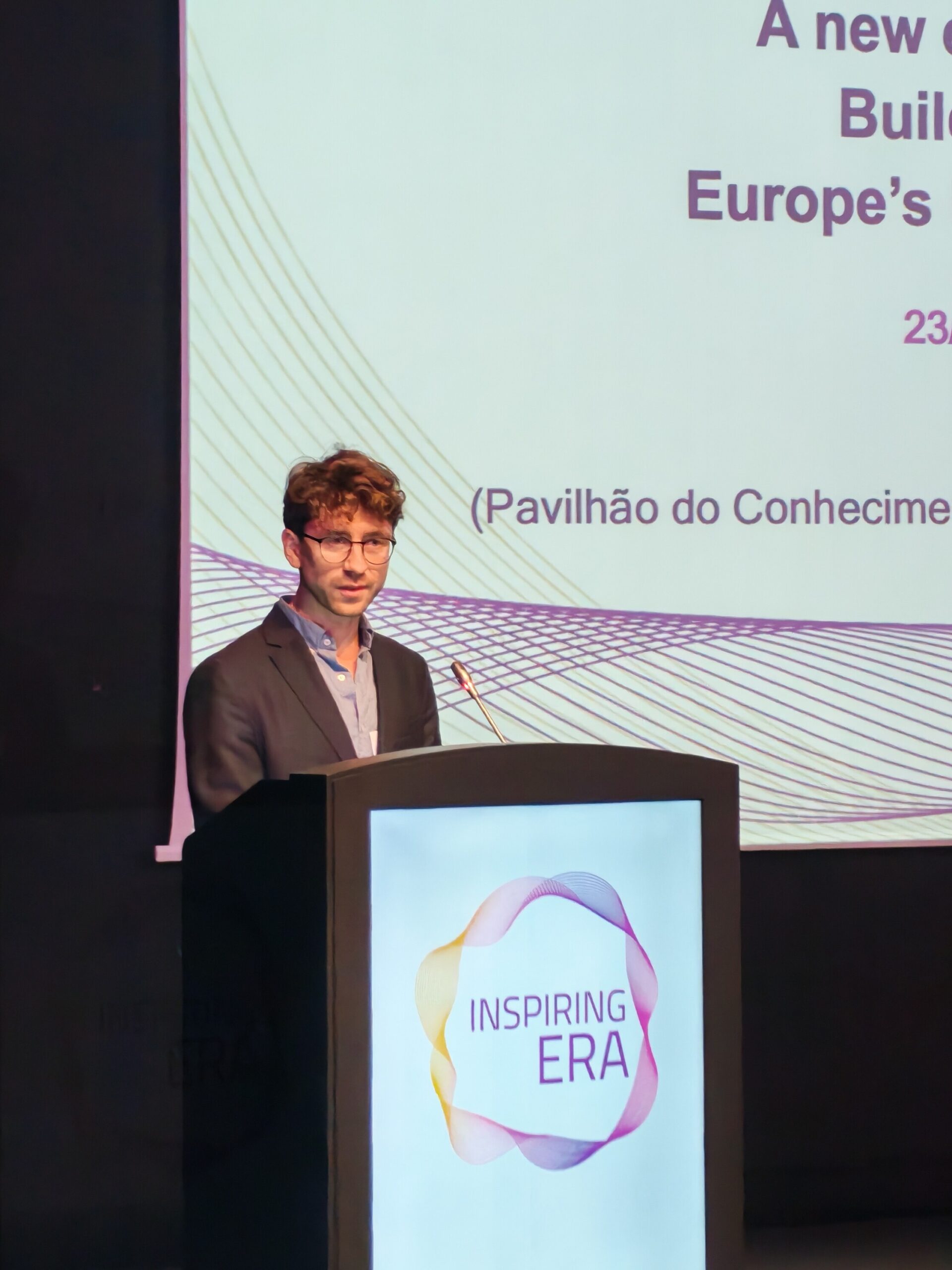
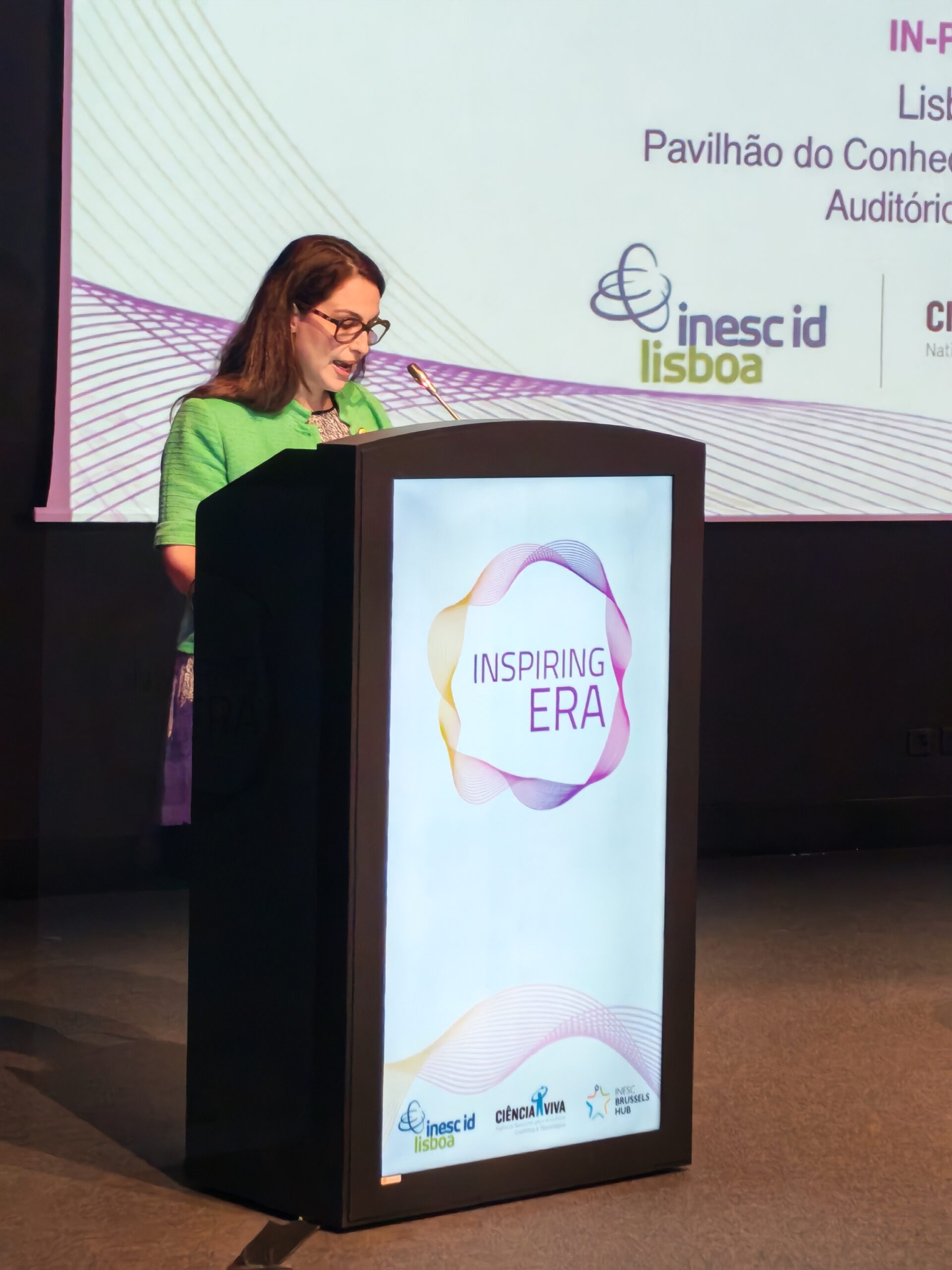
The first day opened with welcome remarks from Korina Kominou, on behalf of INESC Brussels HUB, Ivone Fachada, from Ciência Viva, and Maciej Zdanowicz, from NCBR / INSPIRING ERA.
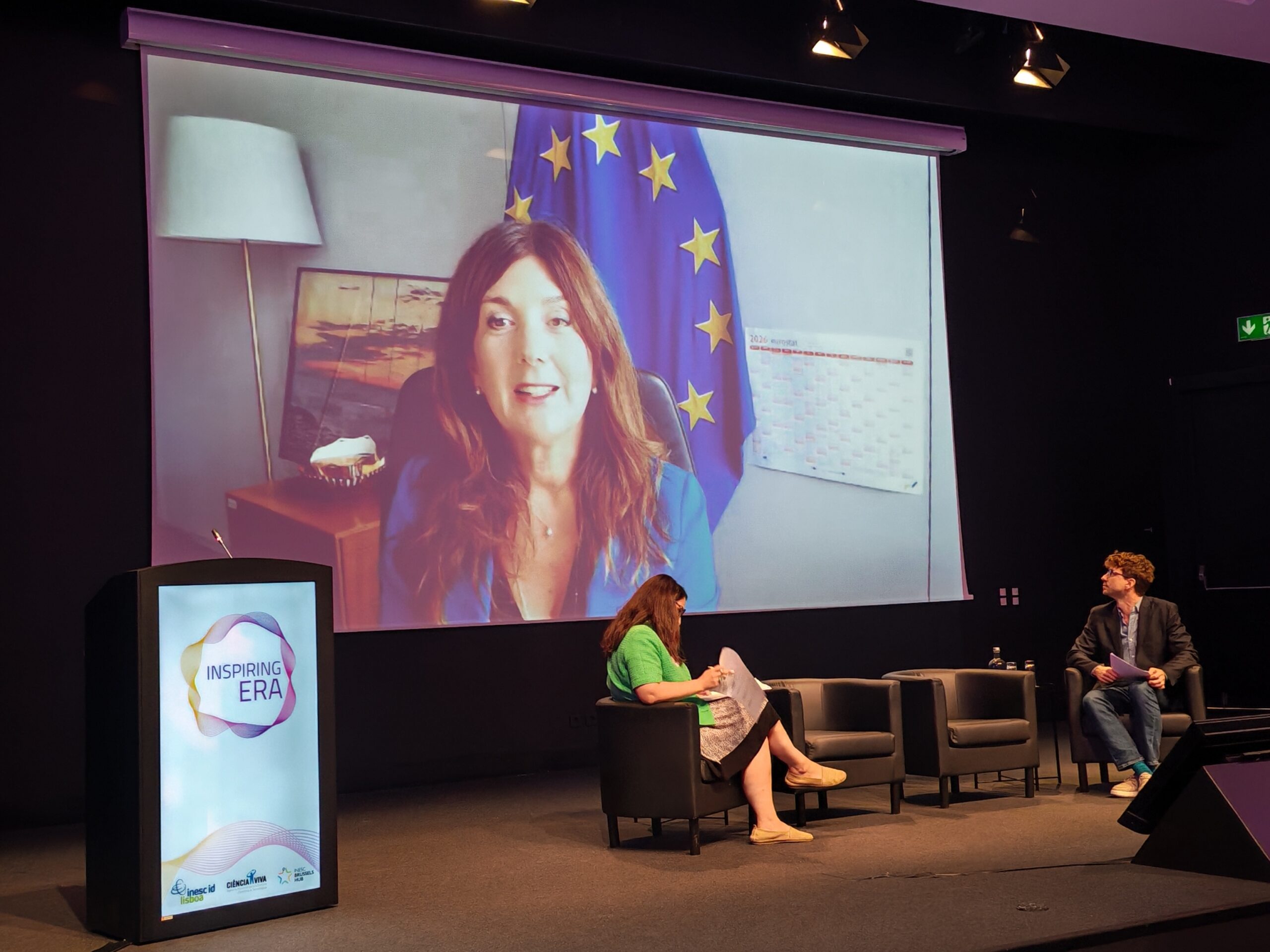
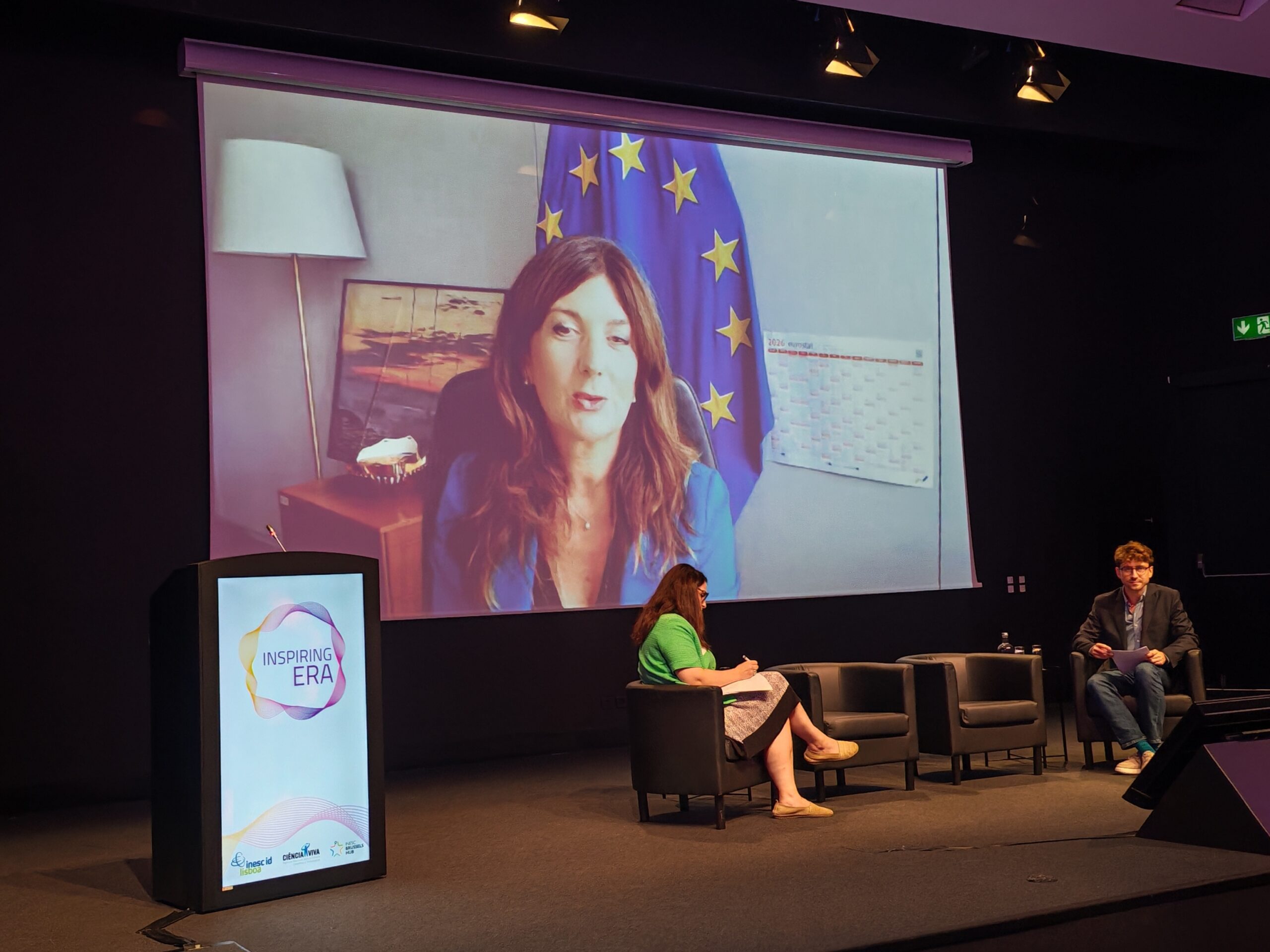
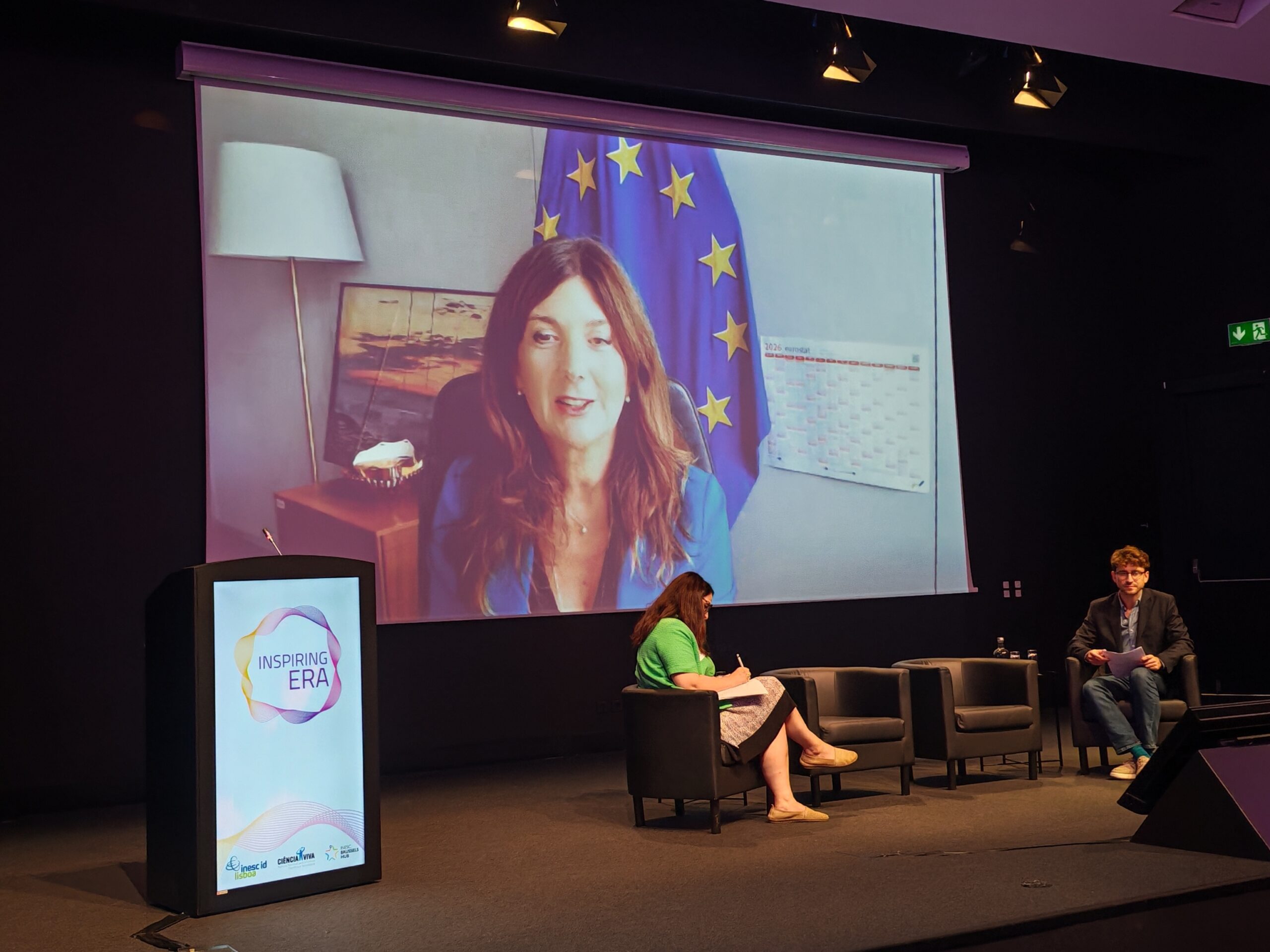
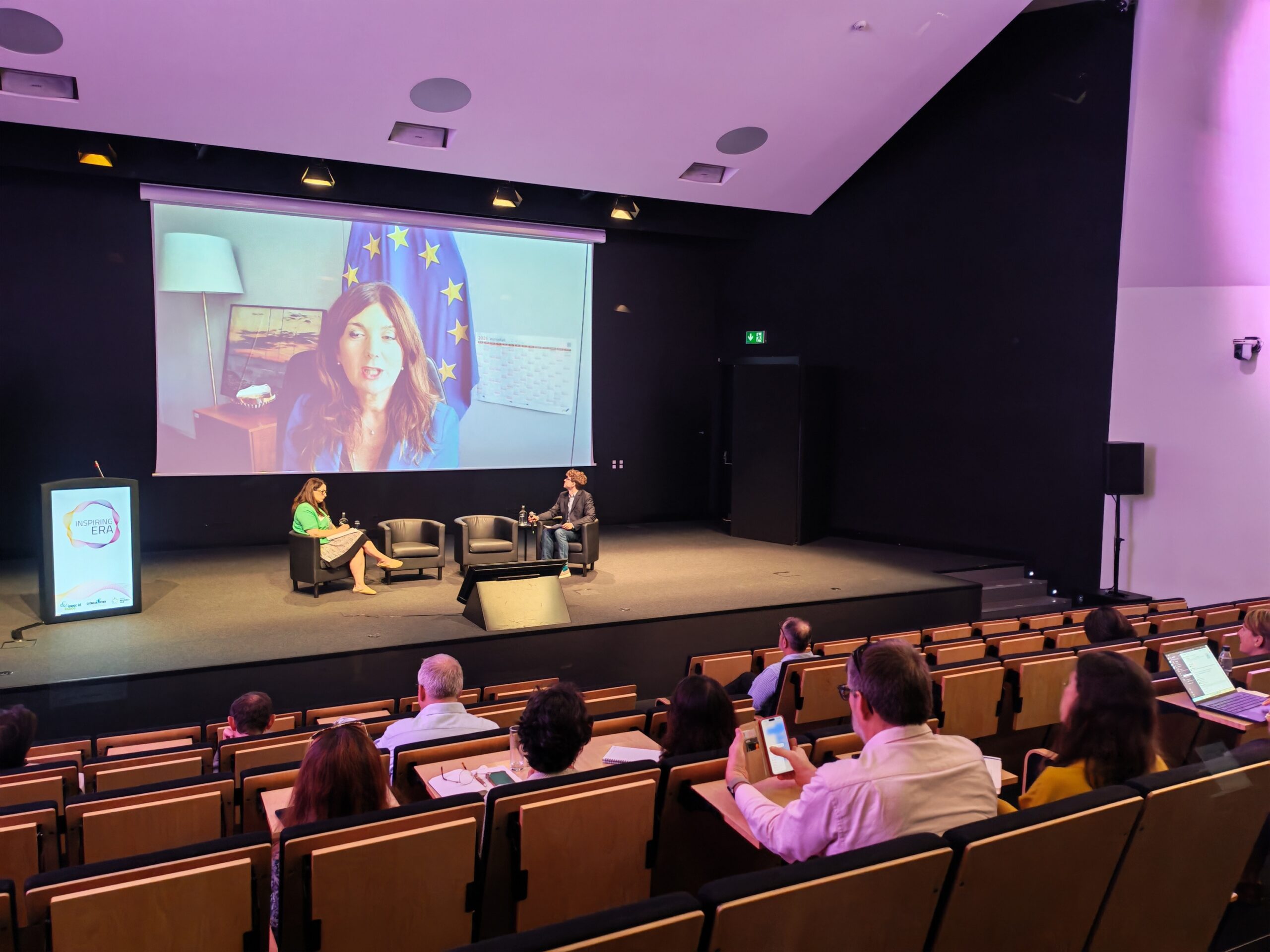
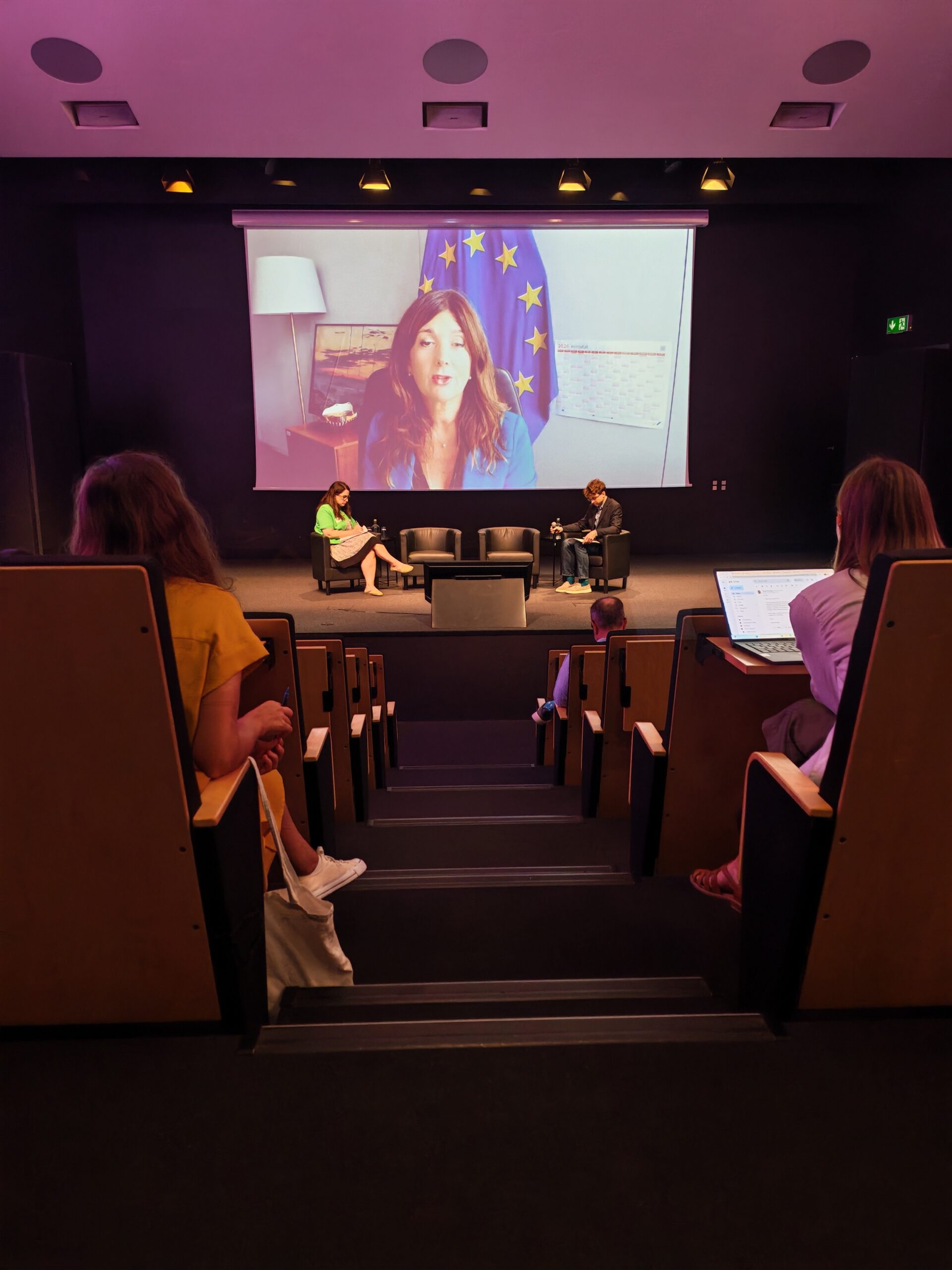
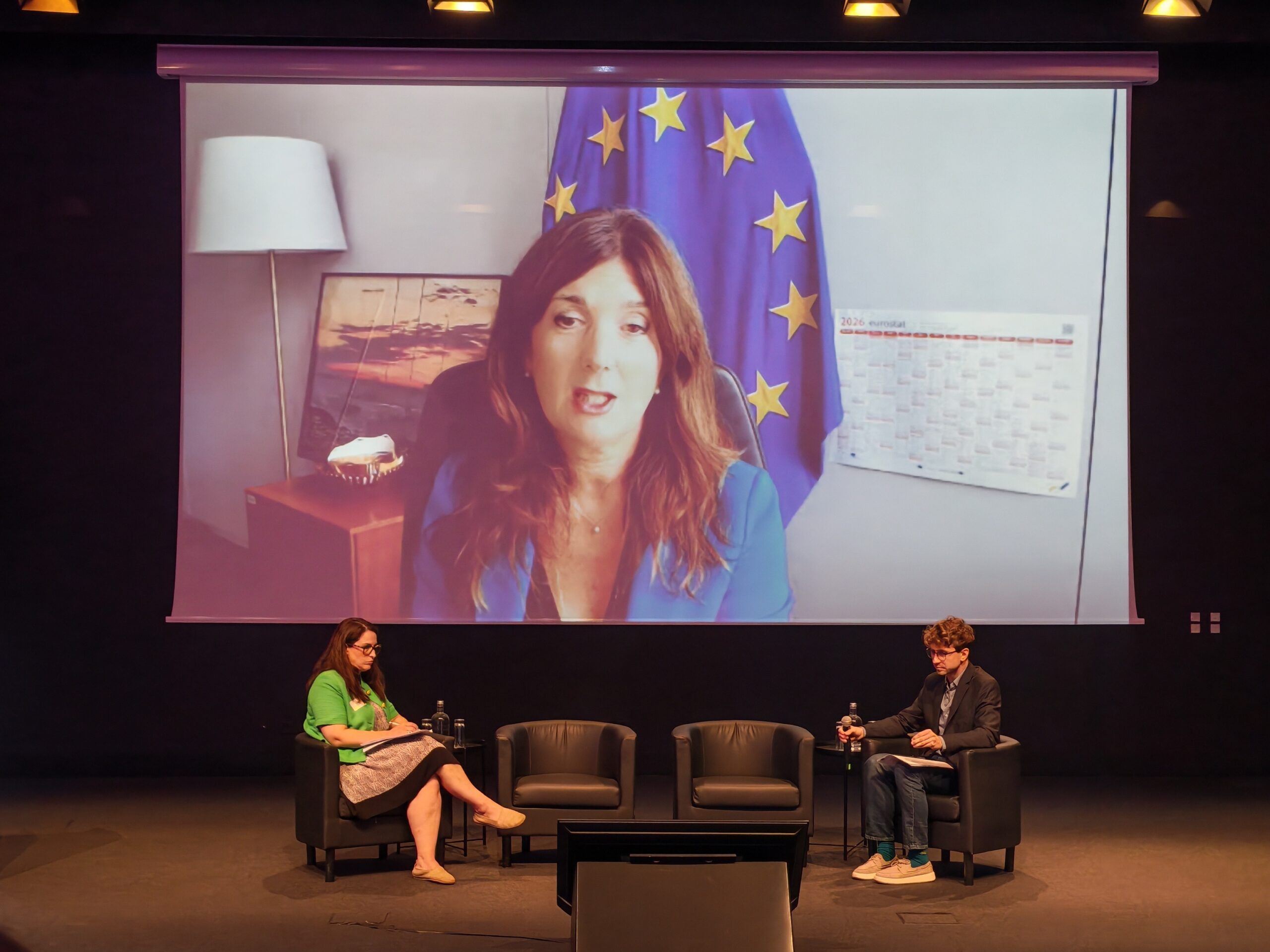
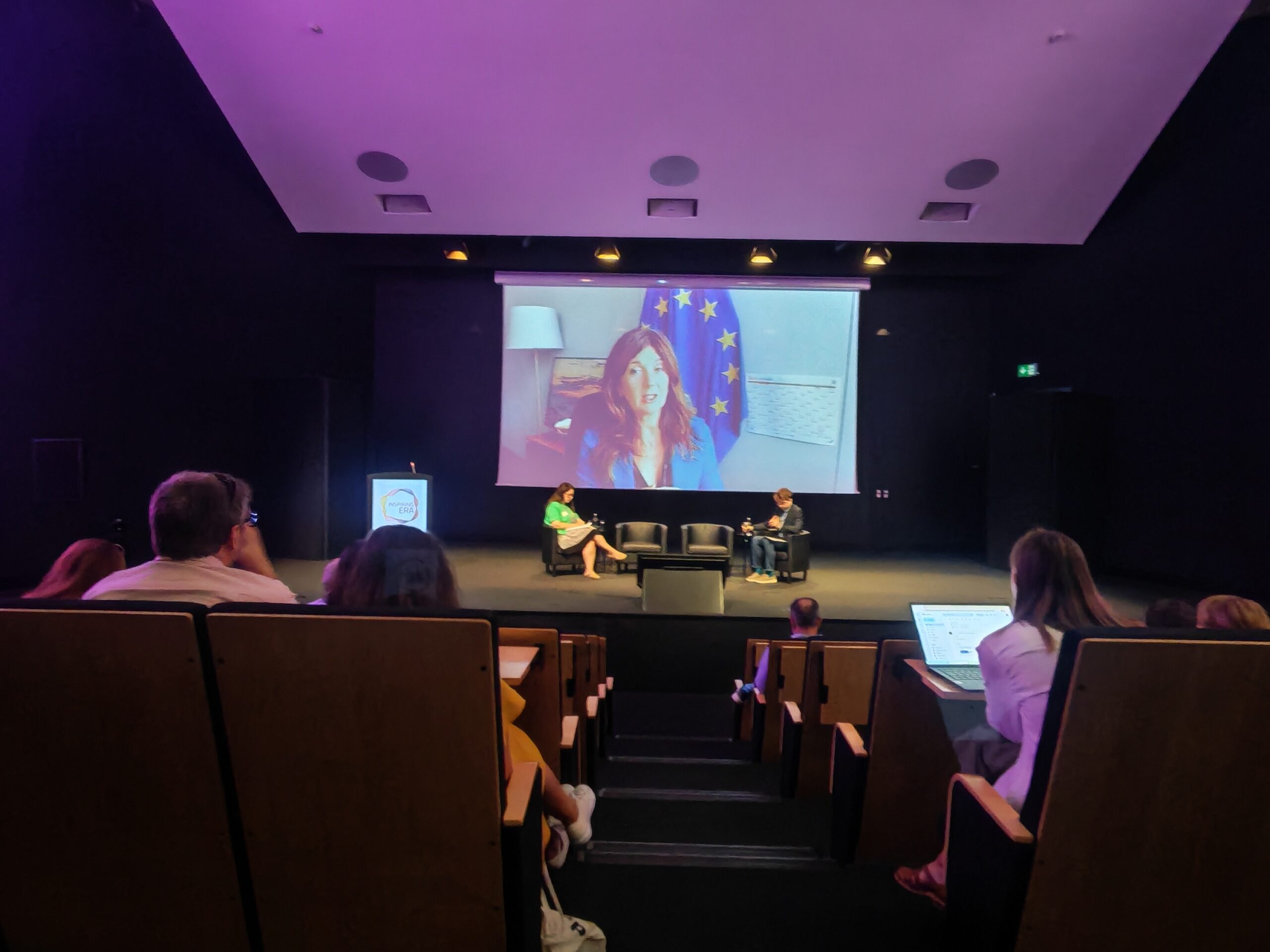
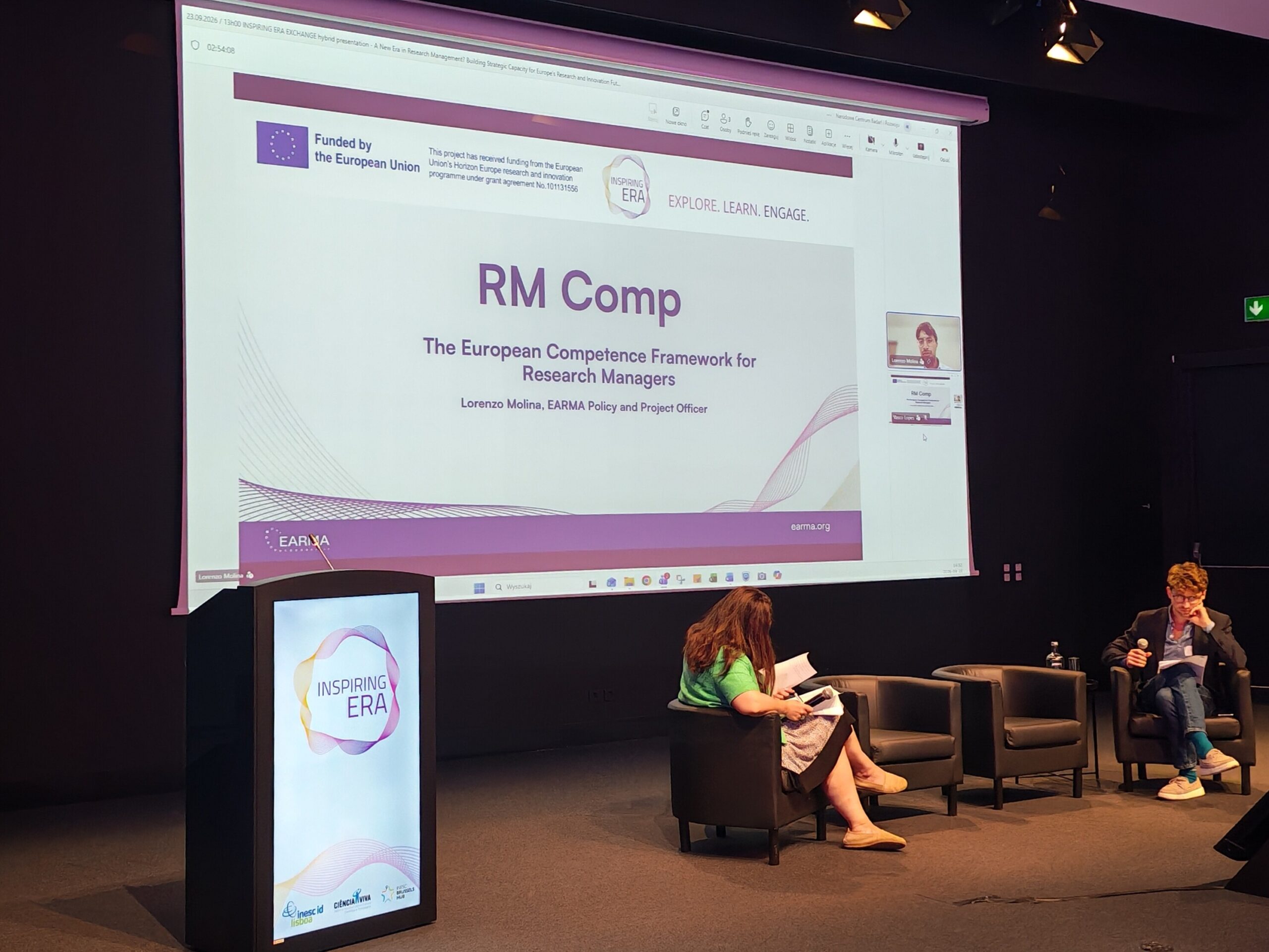
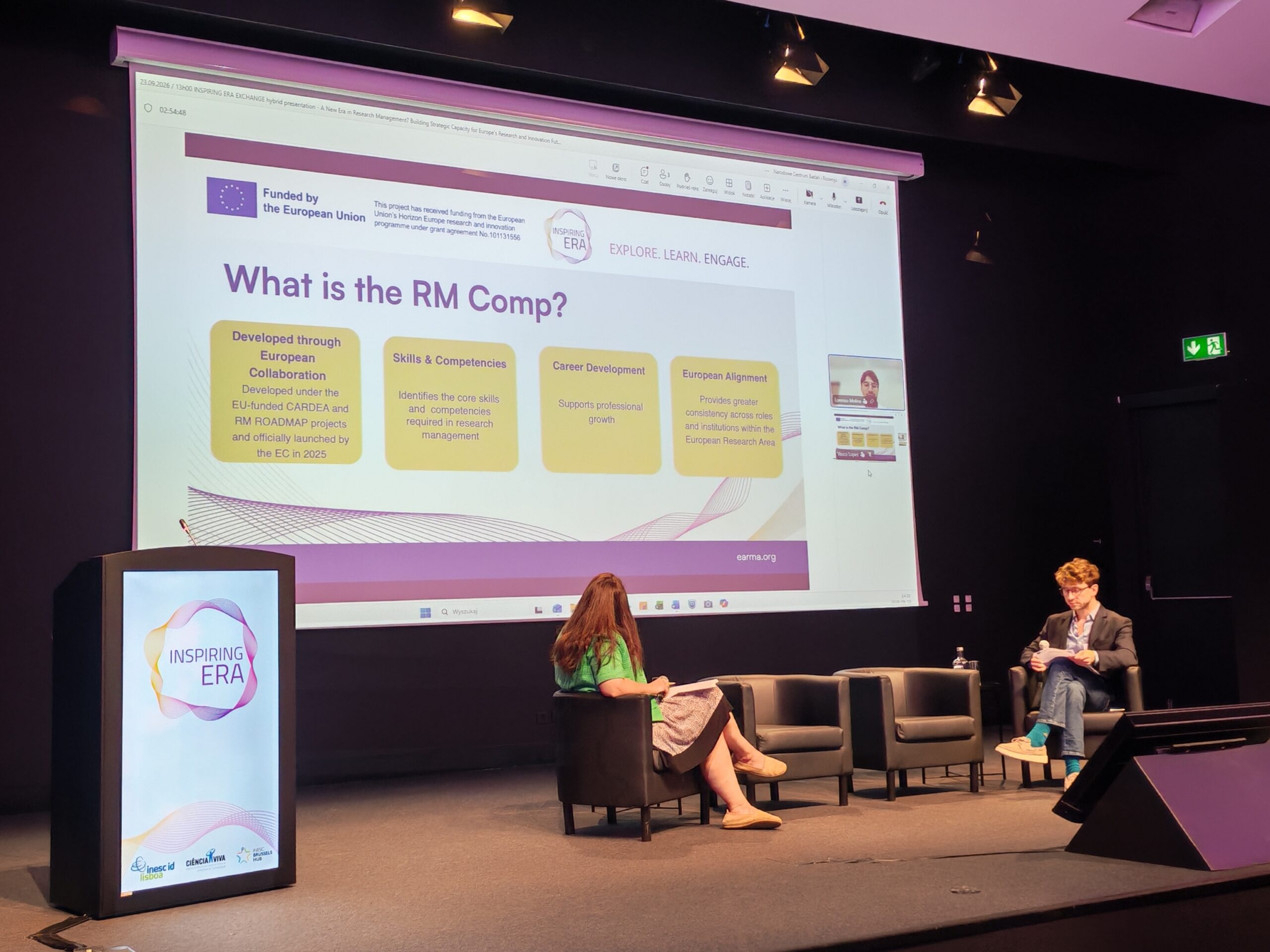
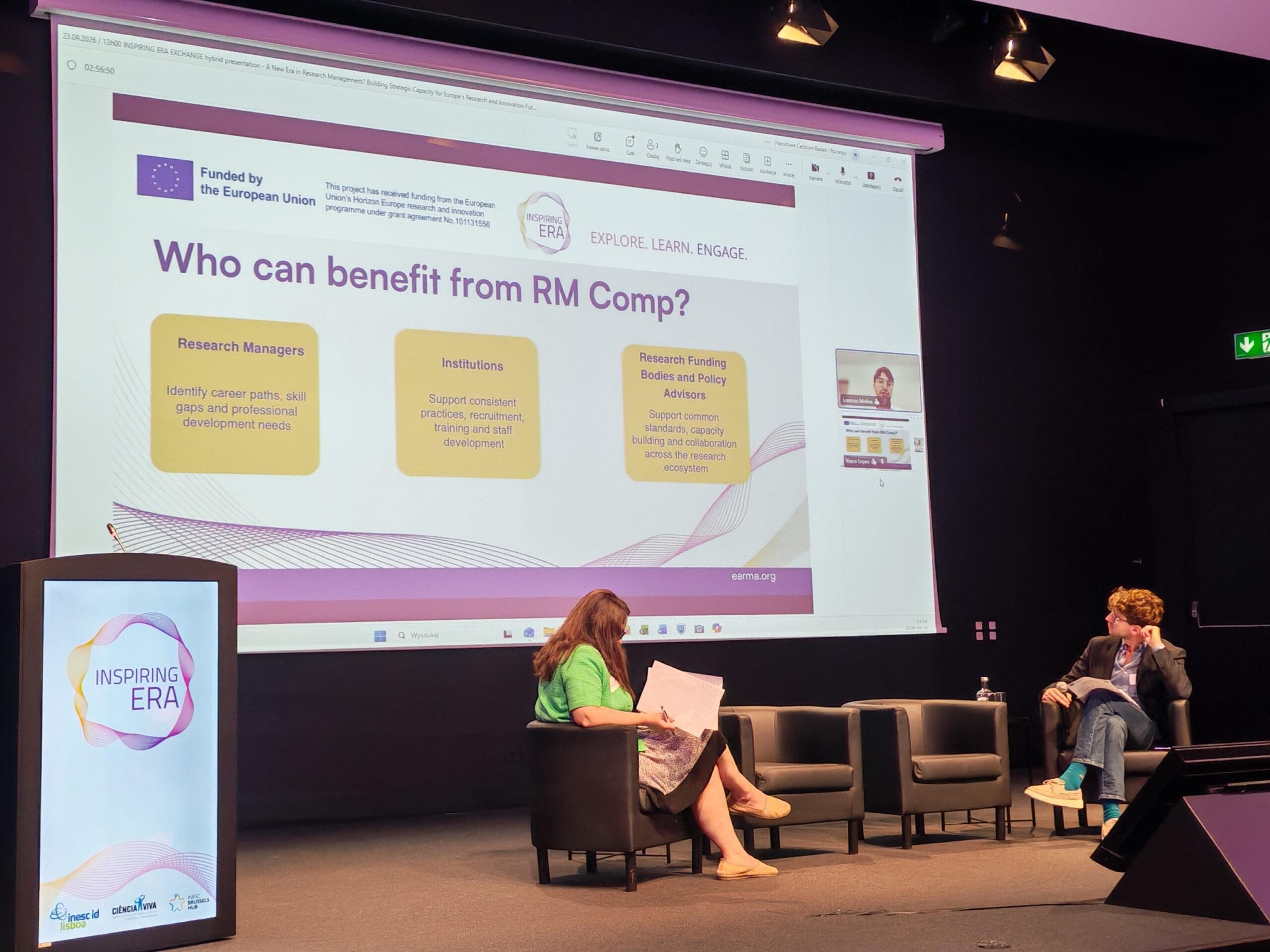
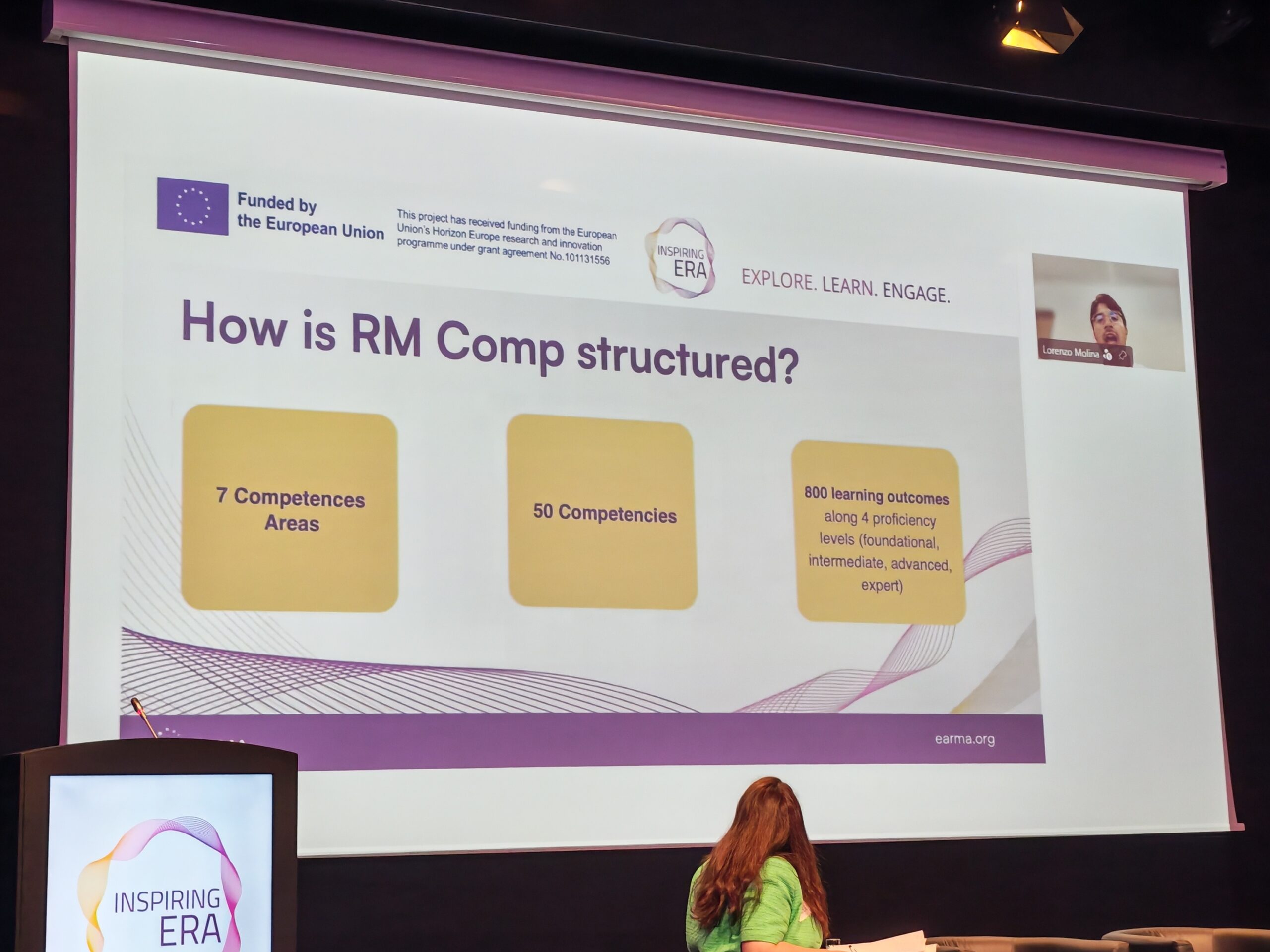
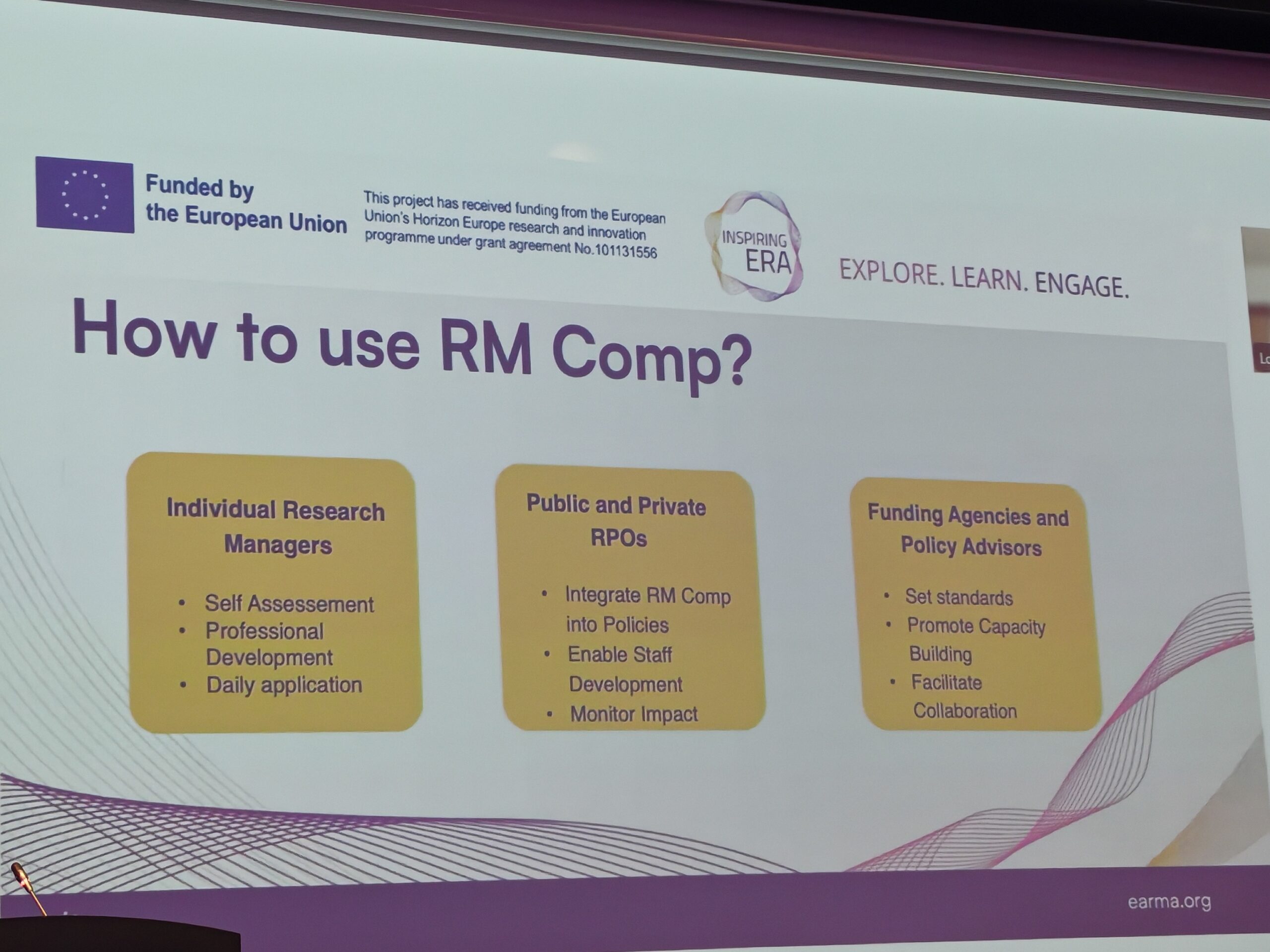
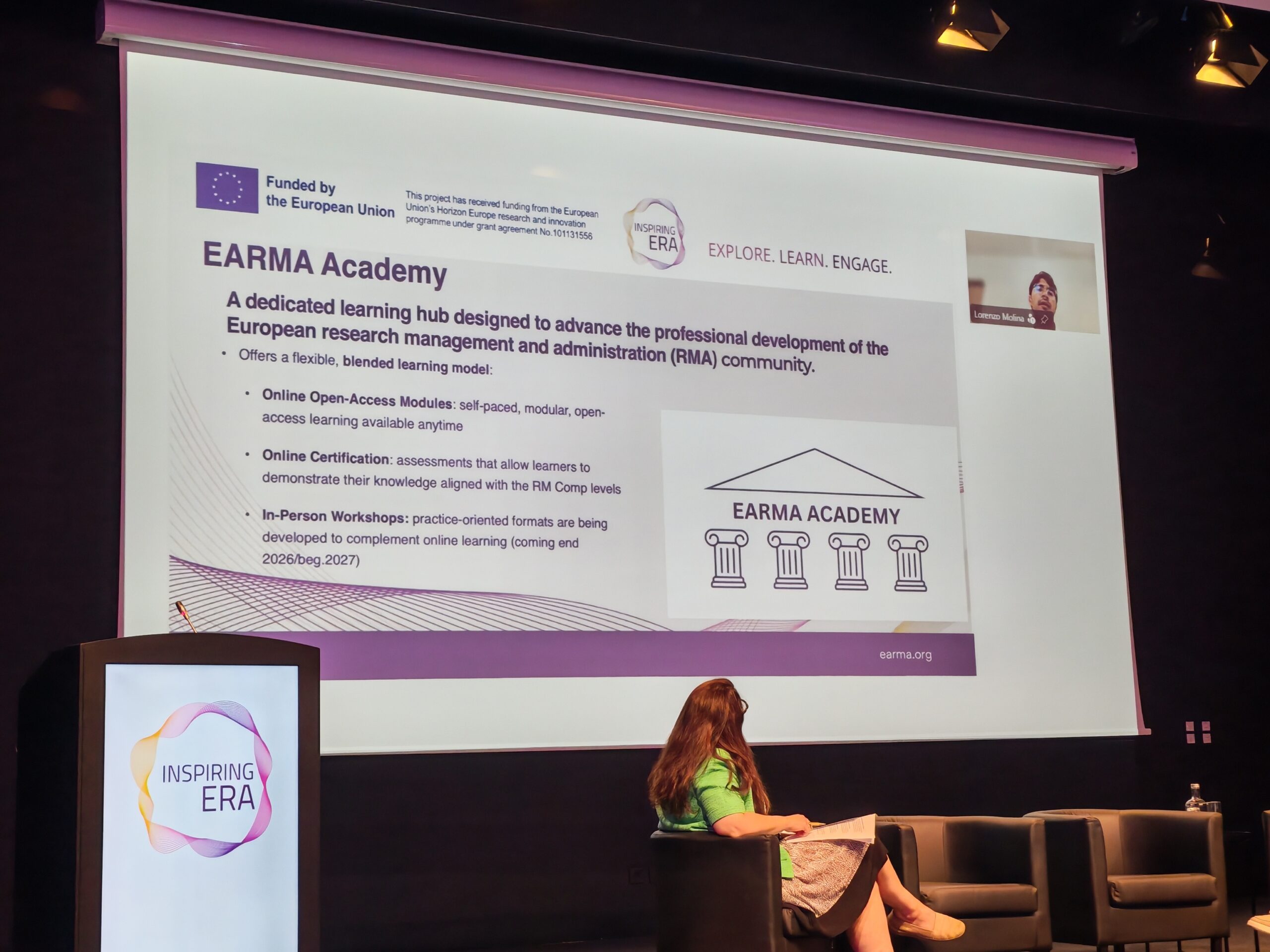
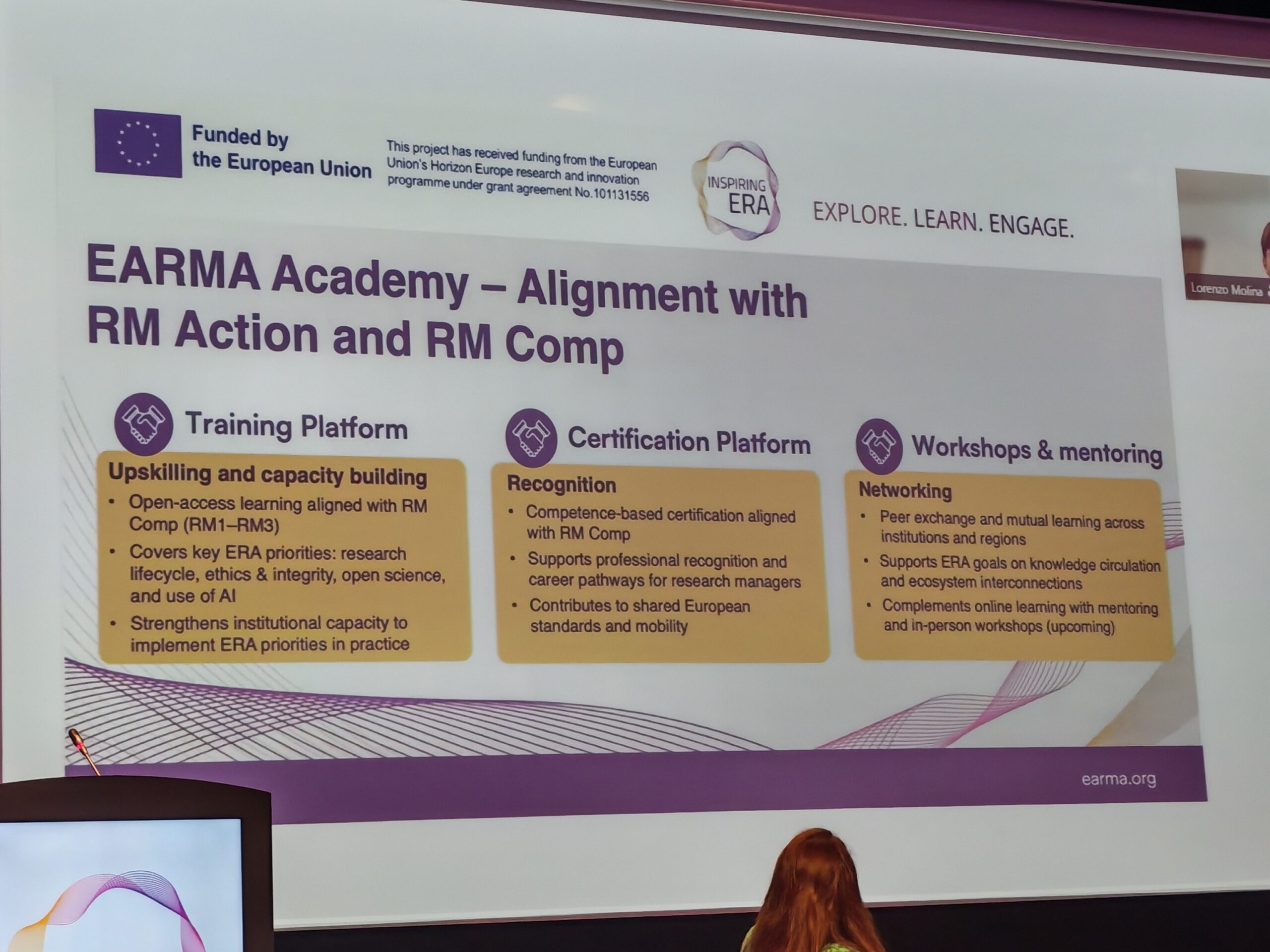
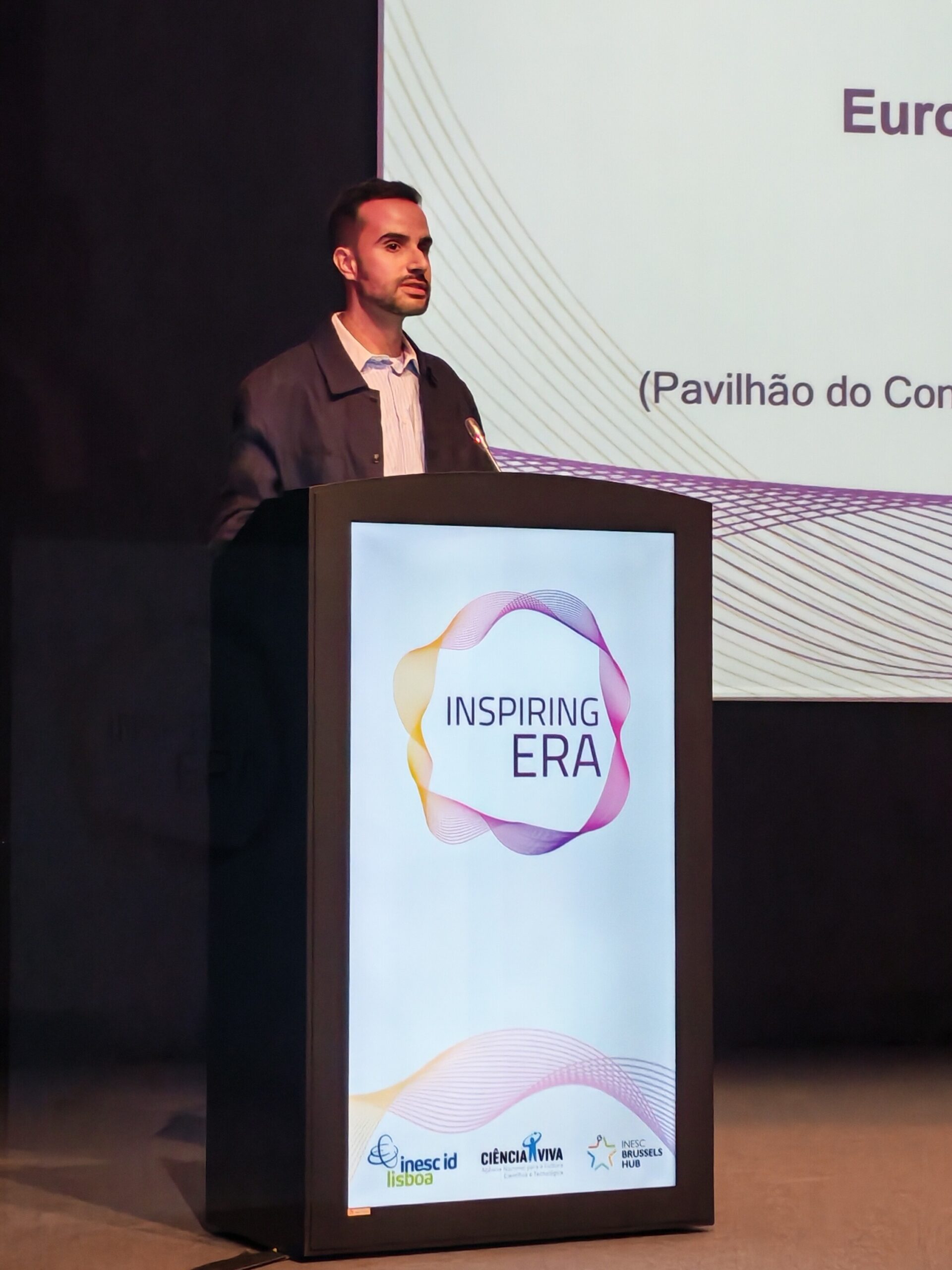
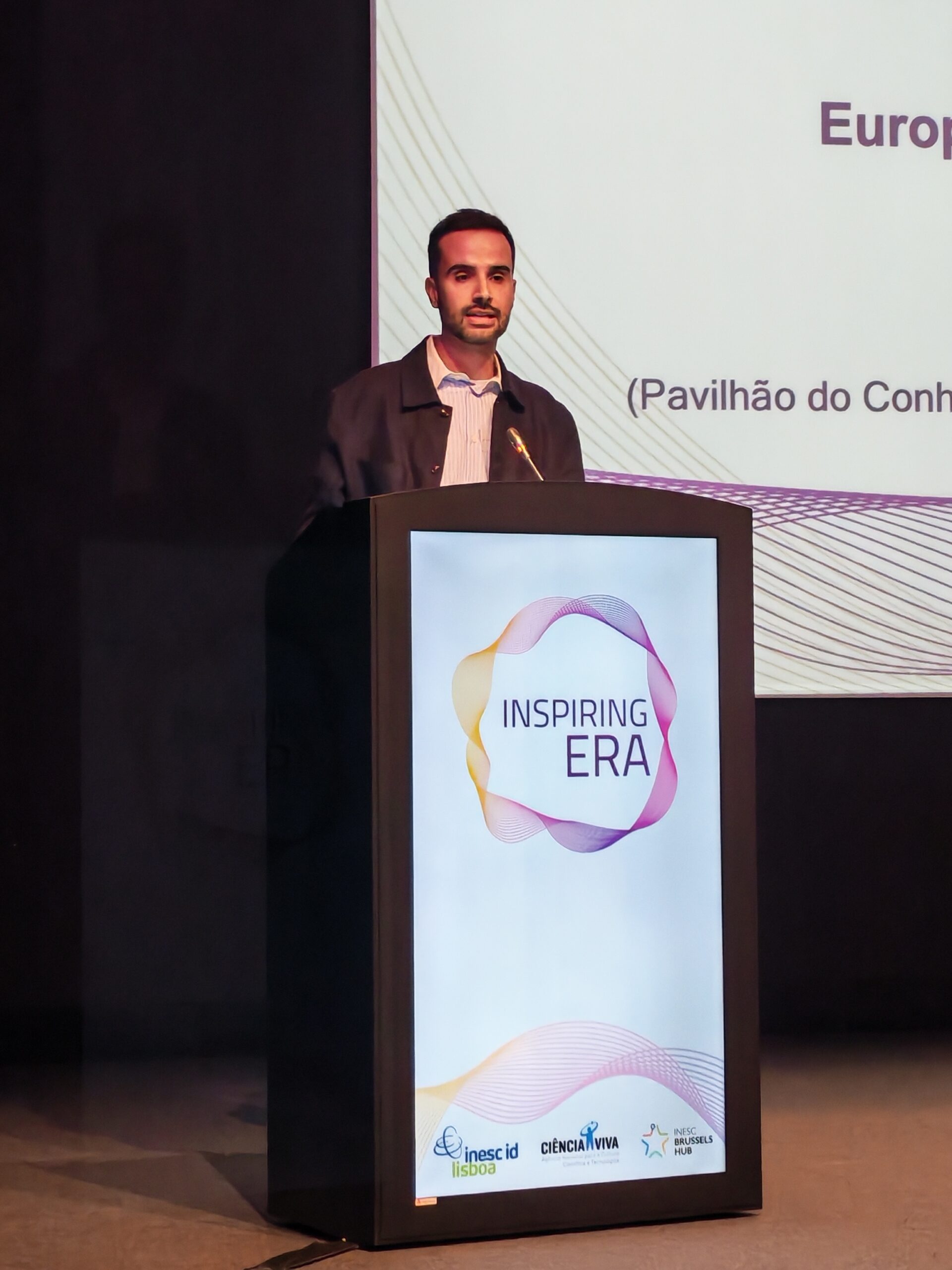
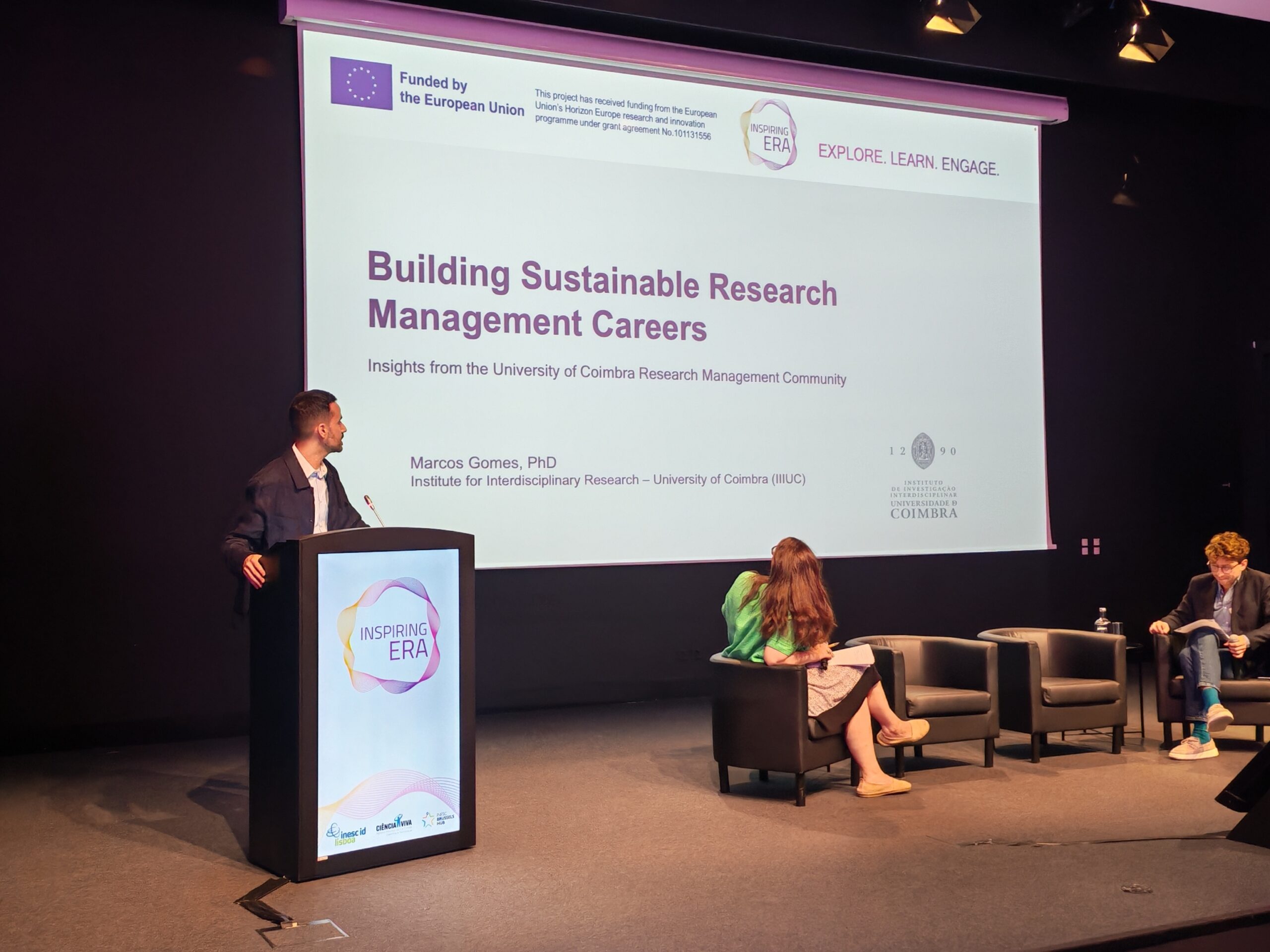
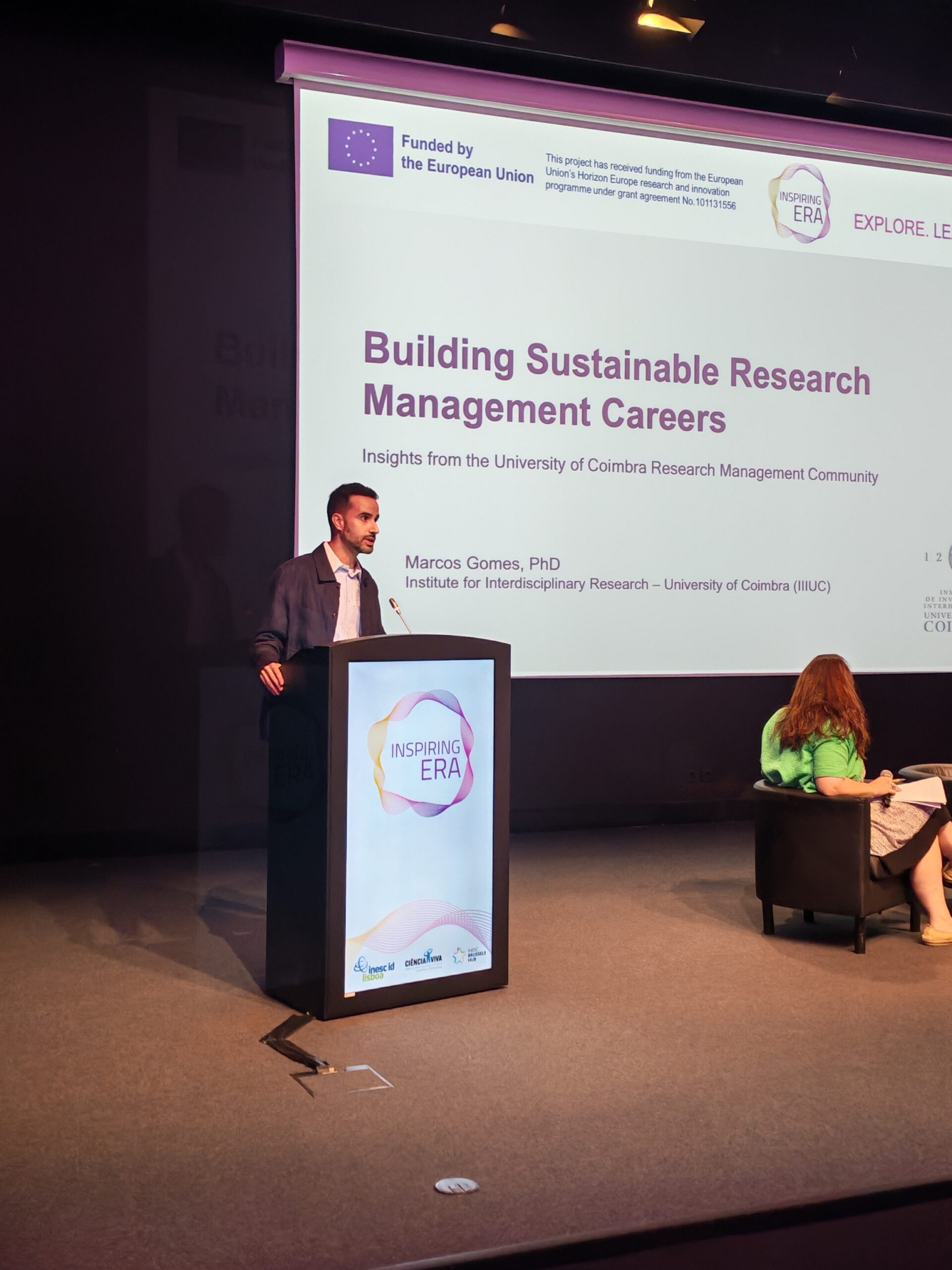
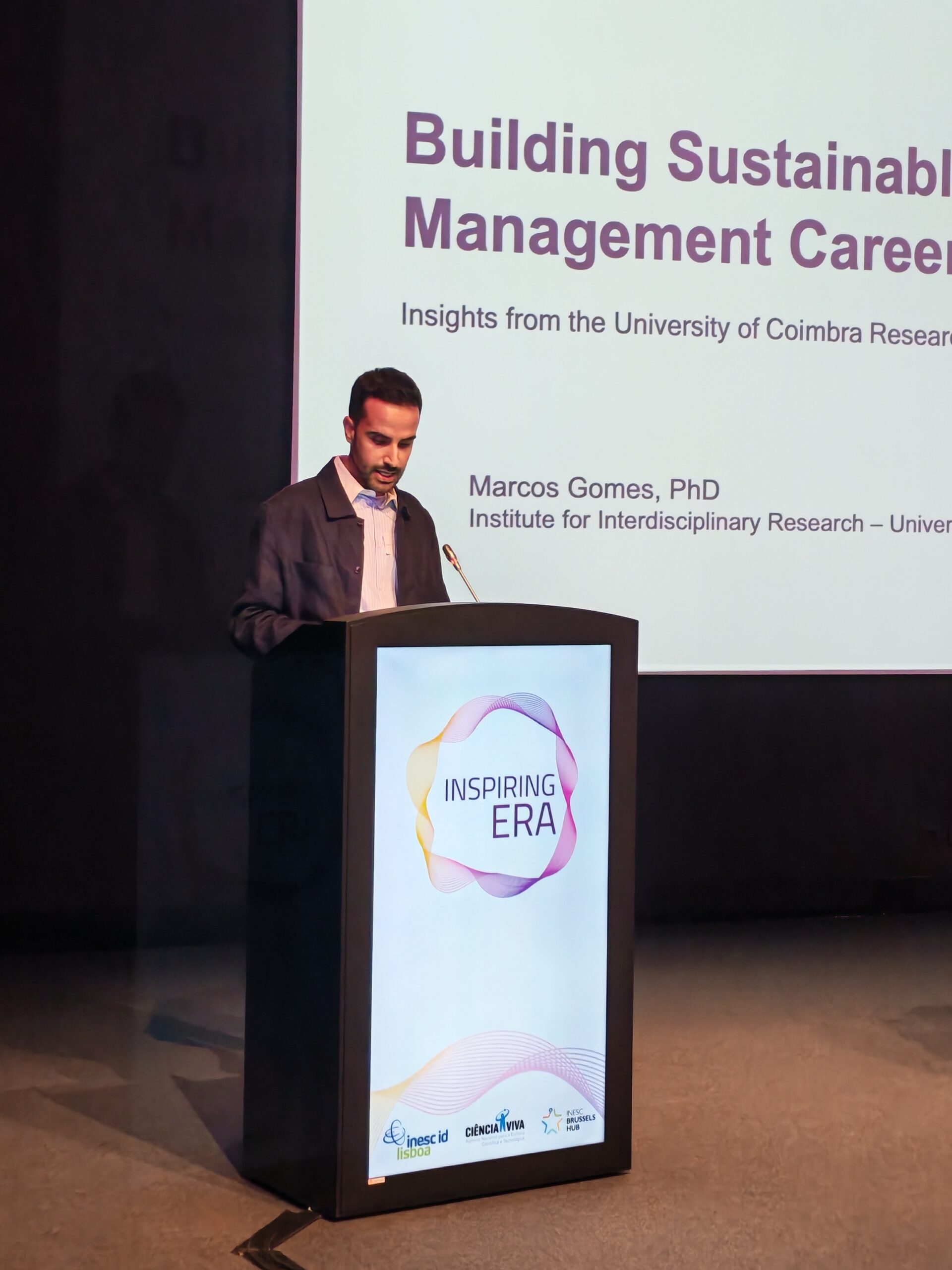
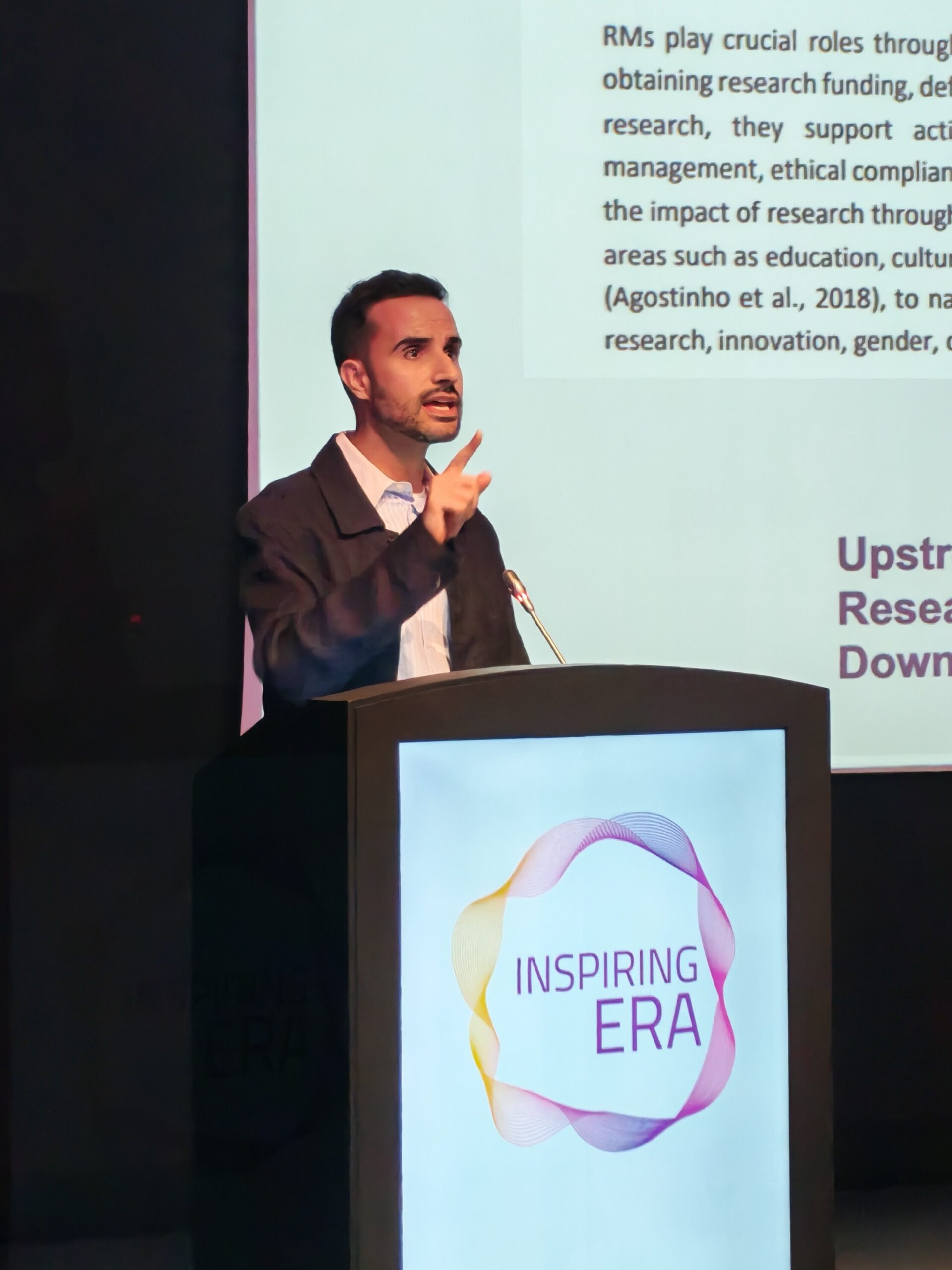
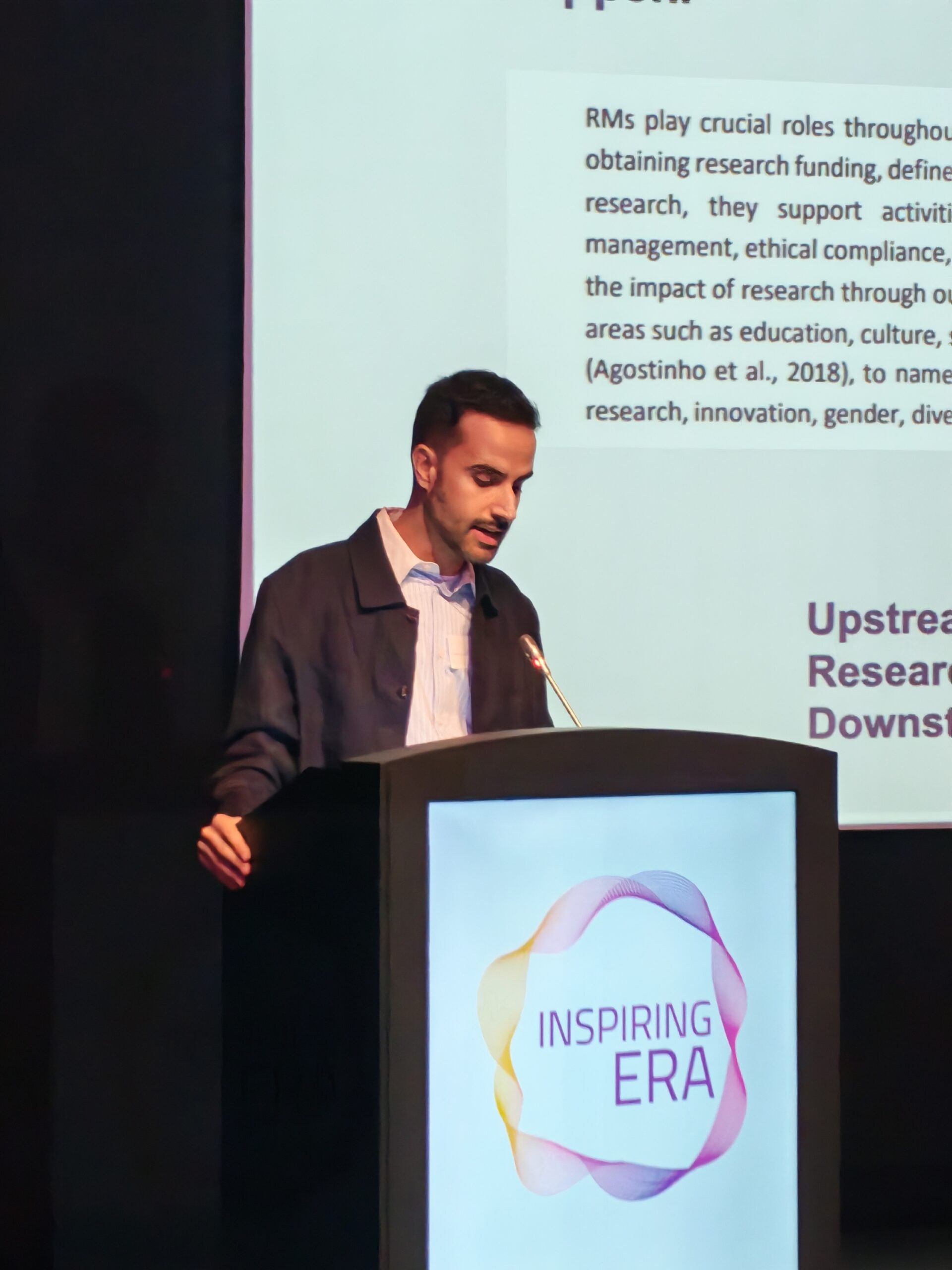
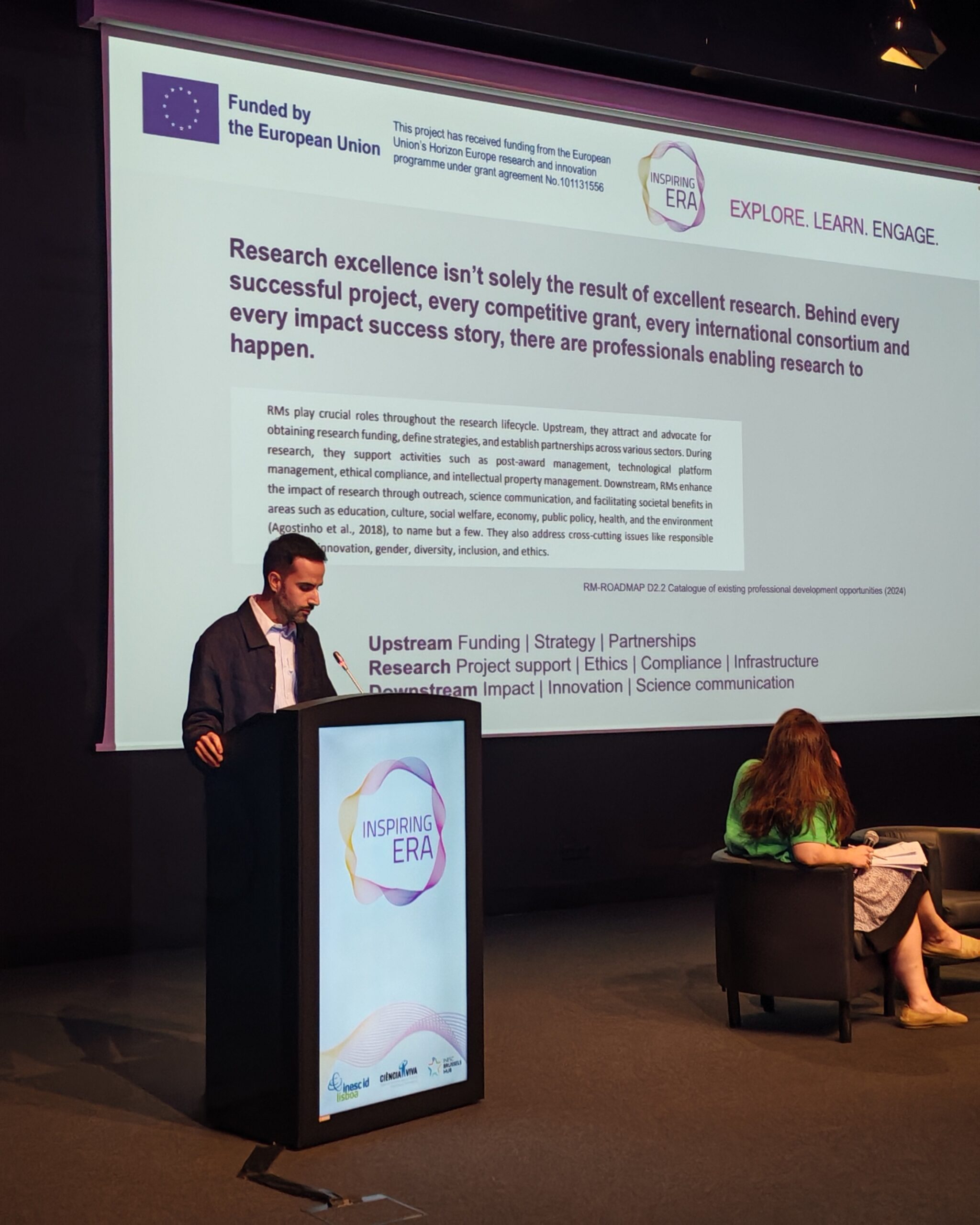
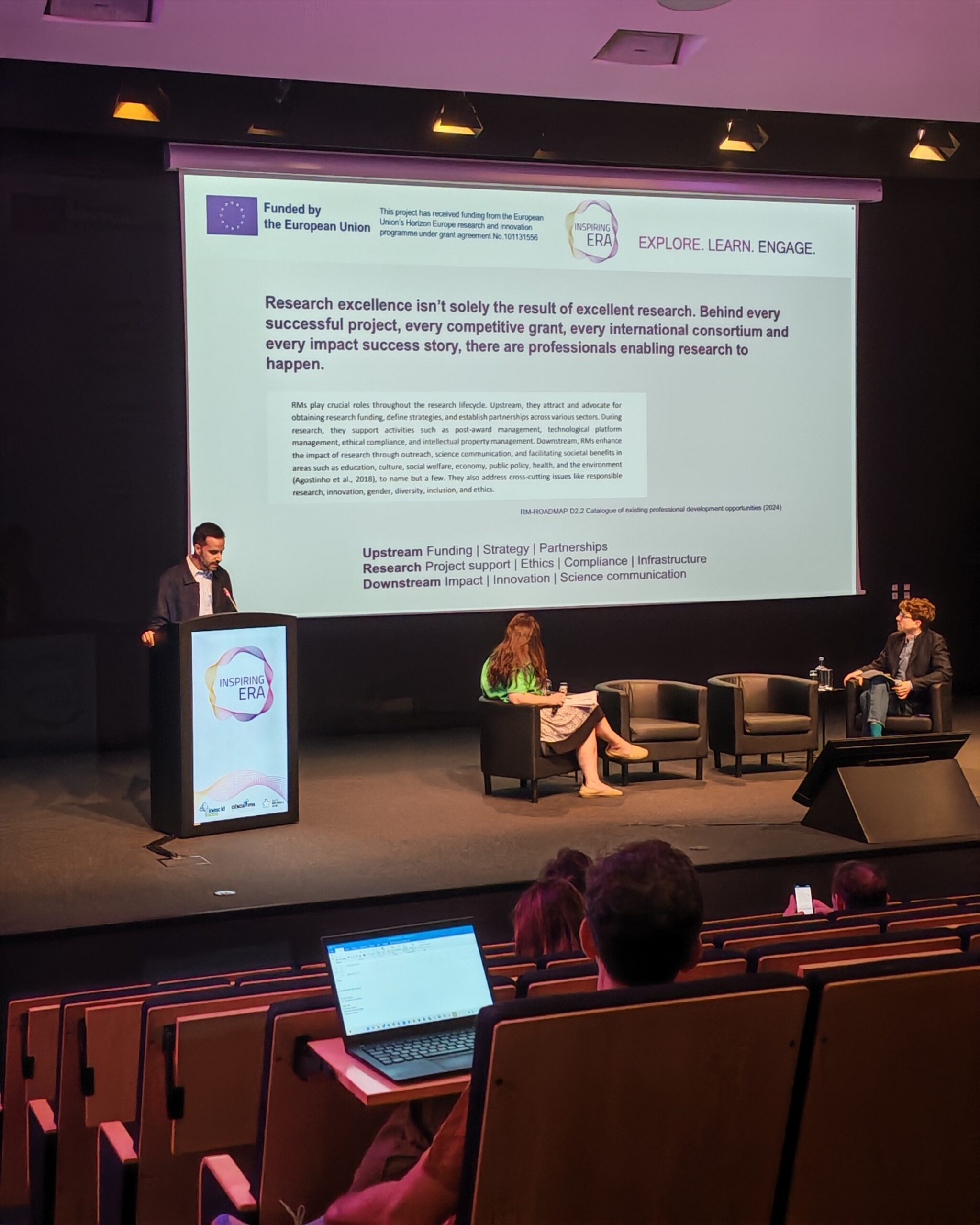
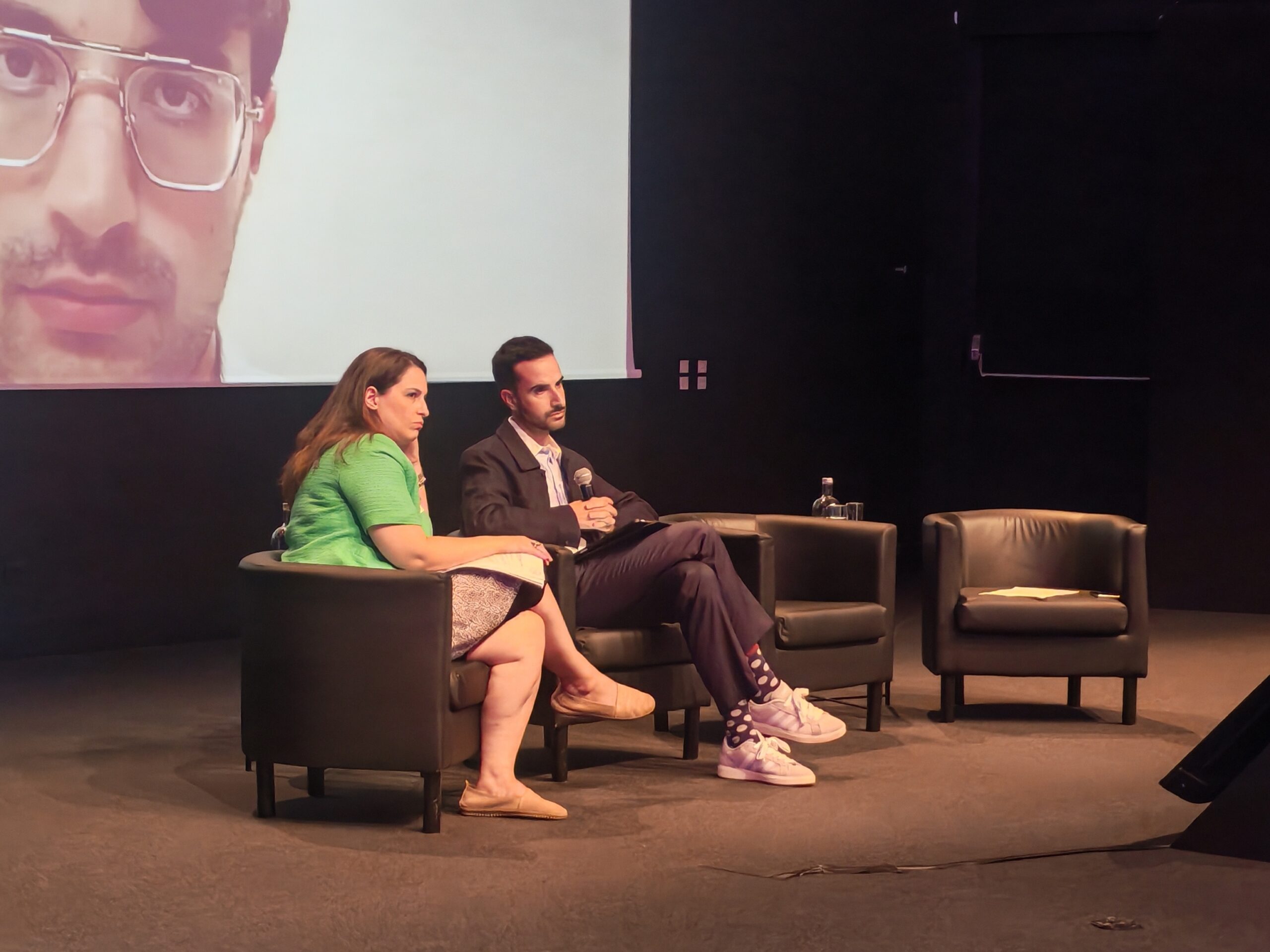
Contributions from Magda De Carli, from the European Commission, Lorenzo Molina, from EARMA, and Marcos Gomes, from the University of Coimbra, helped frame the discussion around the evolving role of research management in the European Research Area, from professional recognition and skills development to the institutional changes needed to support the profession.
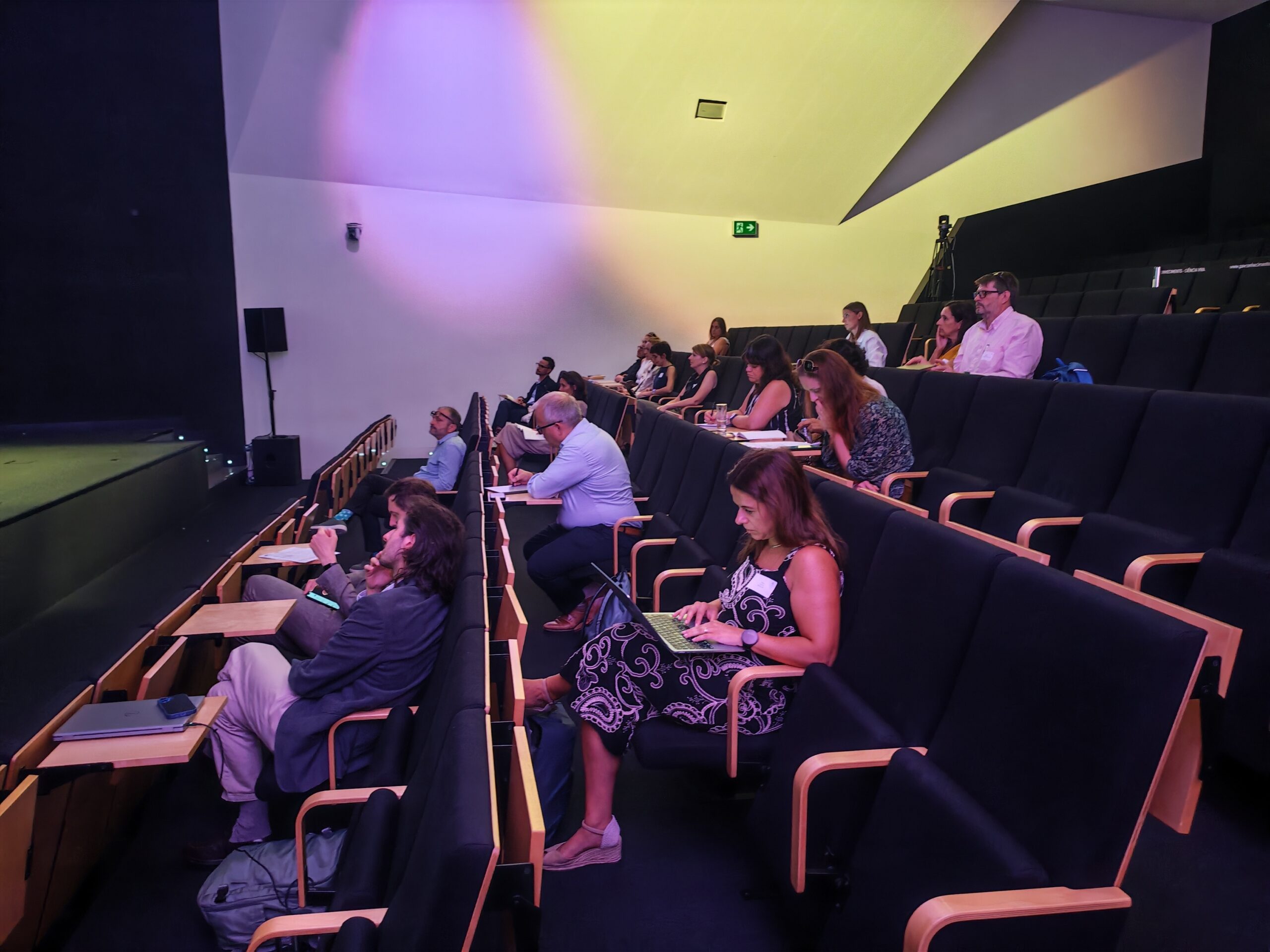
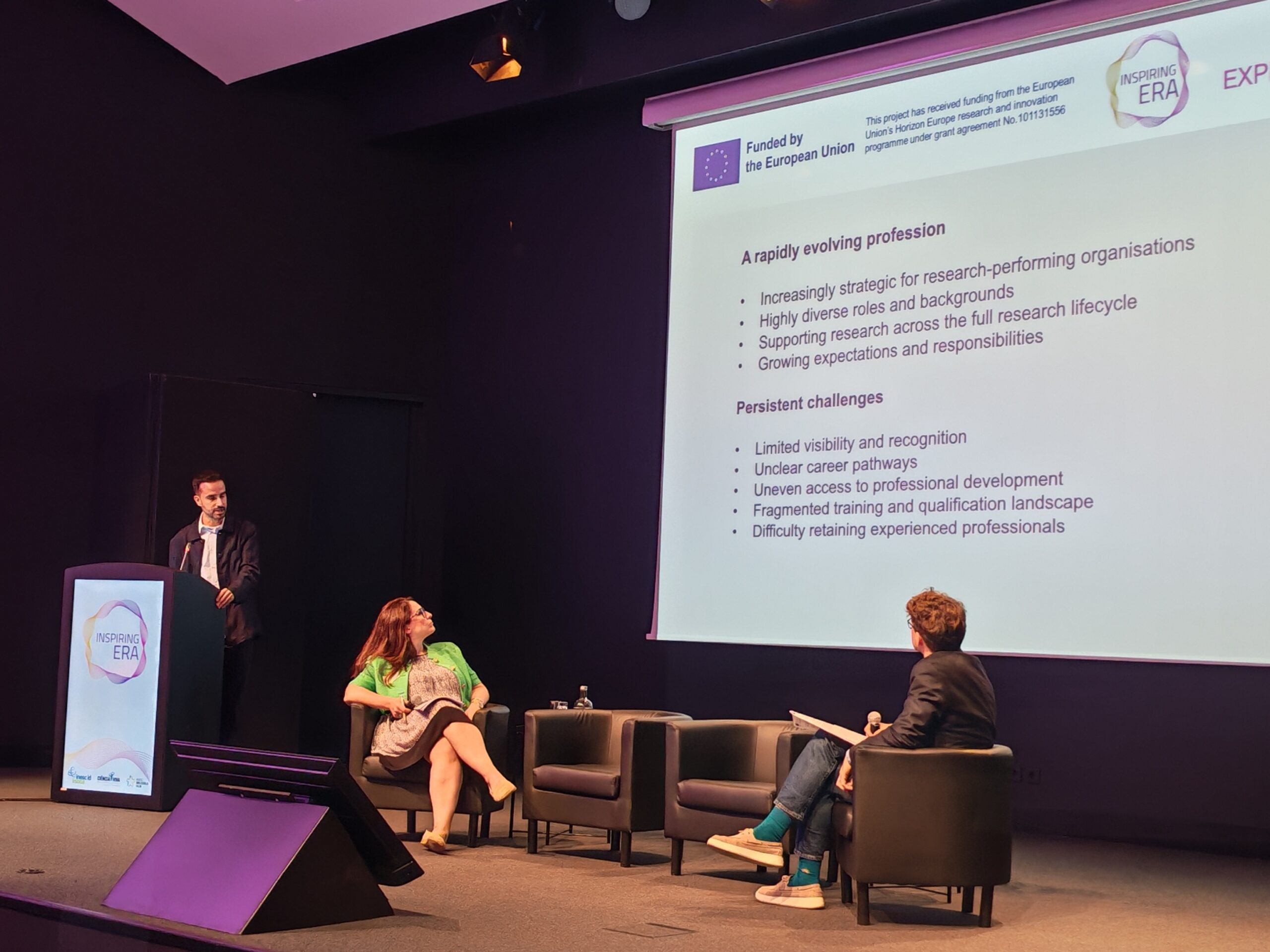
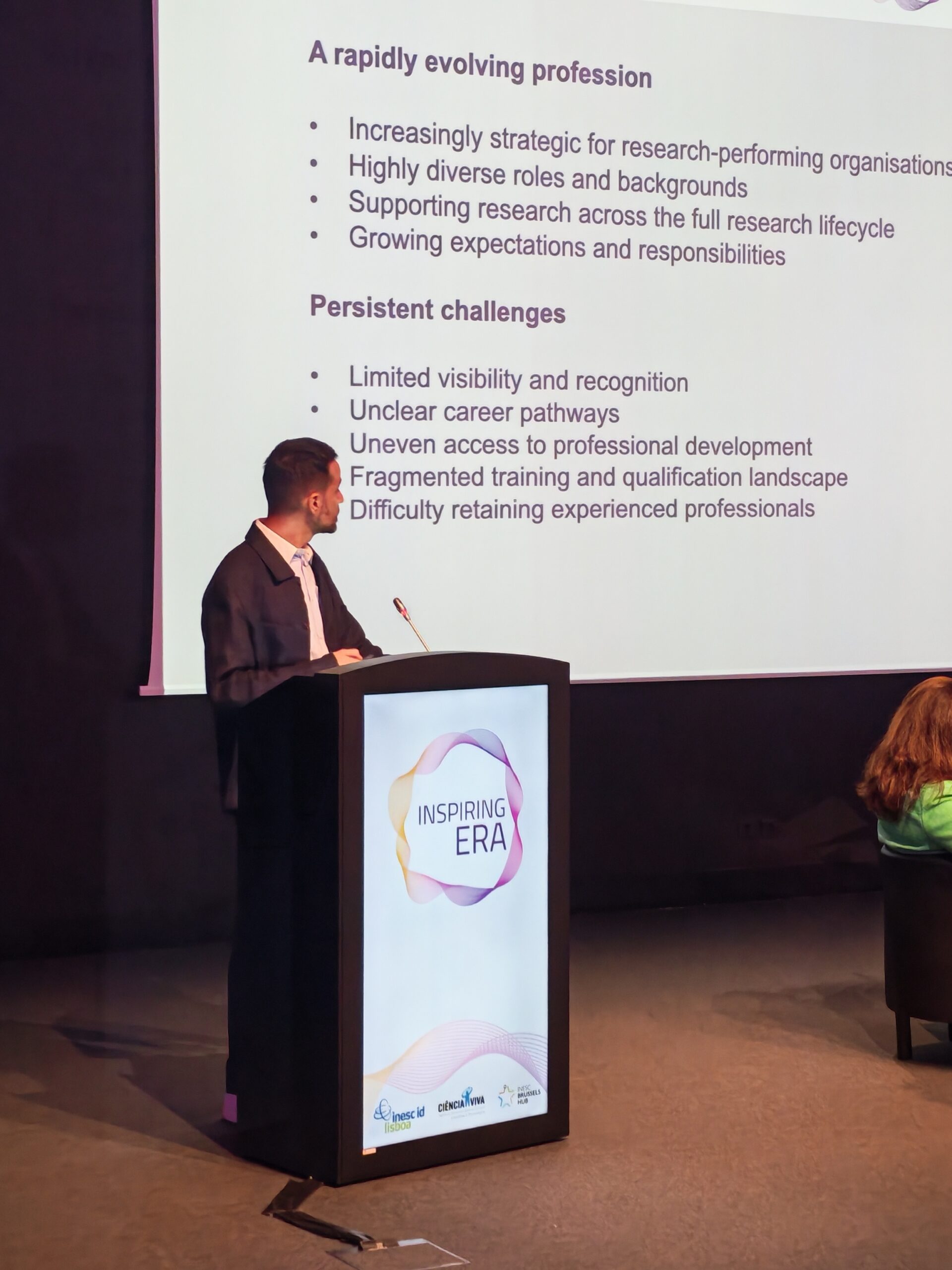
A recurring concern was the gap between the responsibilities research managers already undertake and the recognition they receive. Participants discussed the need for clearer career pathways, professional development opportunities and stronger institutional support, as well as greater involvement of research managers in strategic decisions.
Artificial intelligence also featured in the discussions, particularly its implications for skills, institutional processes and the future of the profession. Alongside these challenges, participants highlighted the continuing value of human expertise in strategic advice, critical thinking and building partnerships.
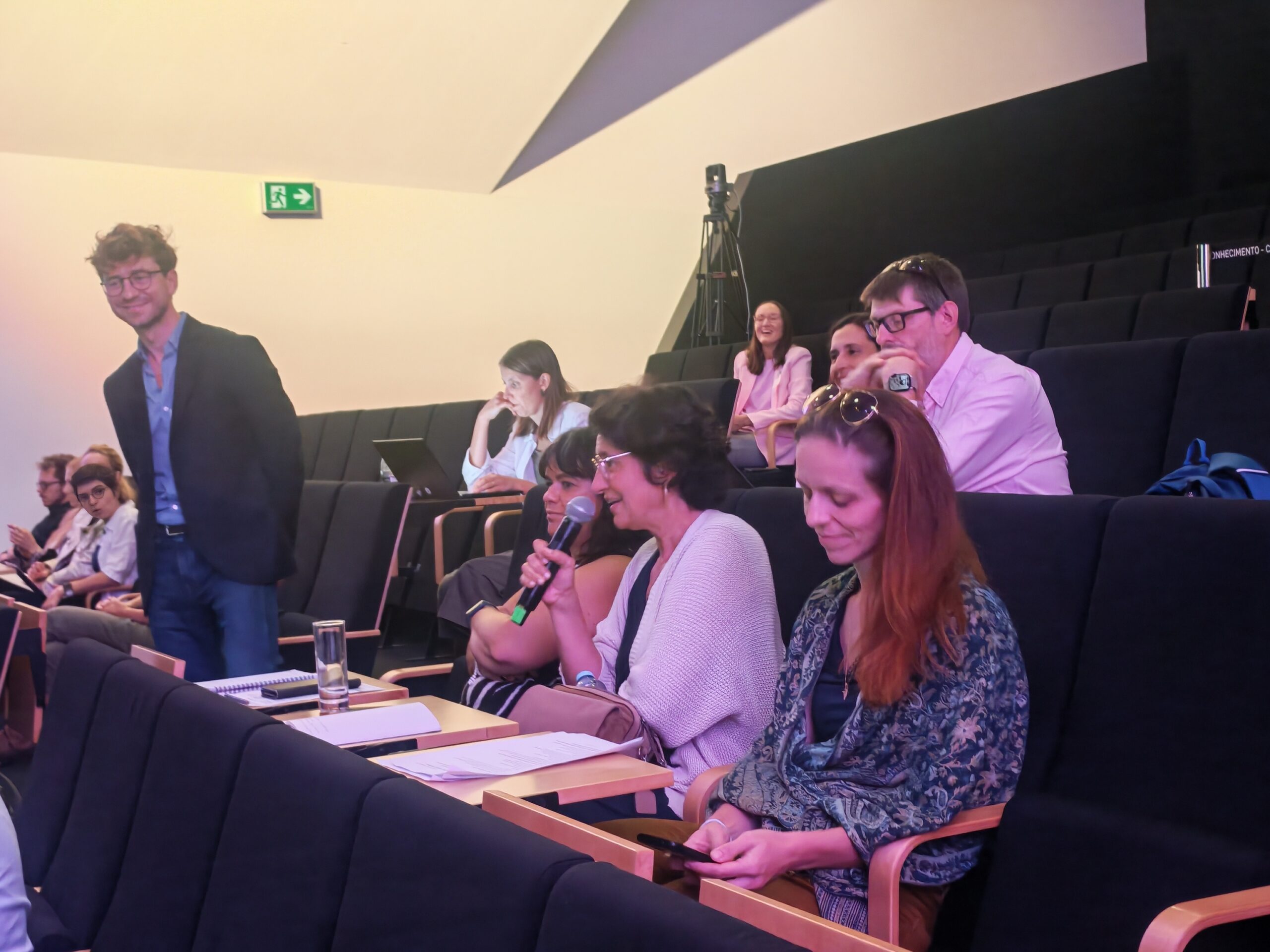
Breakout sessions gave participants the opportunity to compare experiences and develop recommendations, with Virág Zsár, Chair of HUNARMA, and Tomasz Poprawka, Director of POLSCA PAN and Board Member of PolARMA, bringing the conclusions back to the plenary.
Learning from experience across Europe
Day 2 moved from the challenges facing the profession to examples of how research management capacity is being built in practice.
Pedro Russo, President of Ciência Viva, shared lessons from the organisation’s 30 years of work connecting science and society, highlighting the importance of leadership development, institutional cooperation and meaningful citizen engagement in research.
Tomasz Poprawka presented the V4 Training for Research Project Managers, an initiative that has grown from regional cooperation between Brussels-based liaison offices into a wider platform for training, networking and peer learning, reaching almost 600 participants from 27 countries.
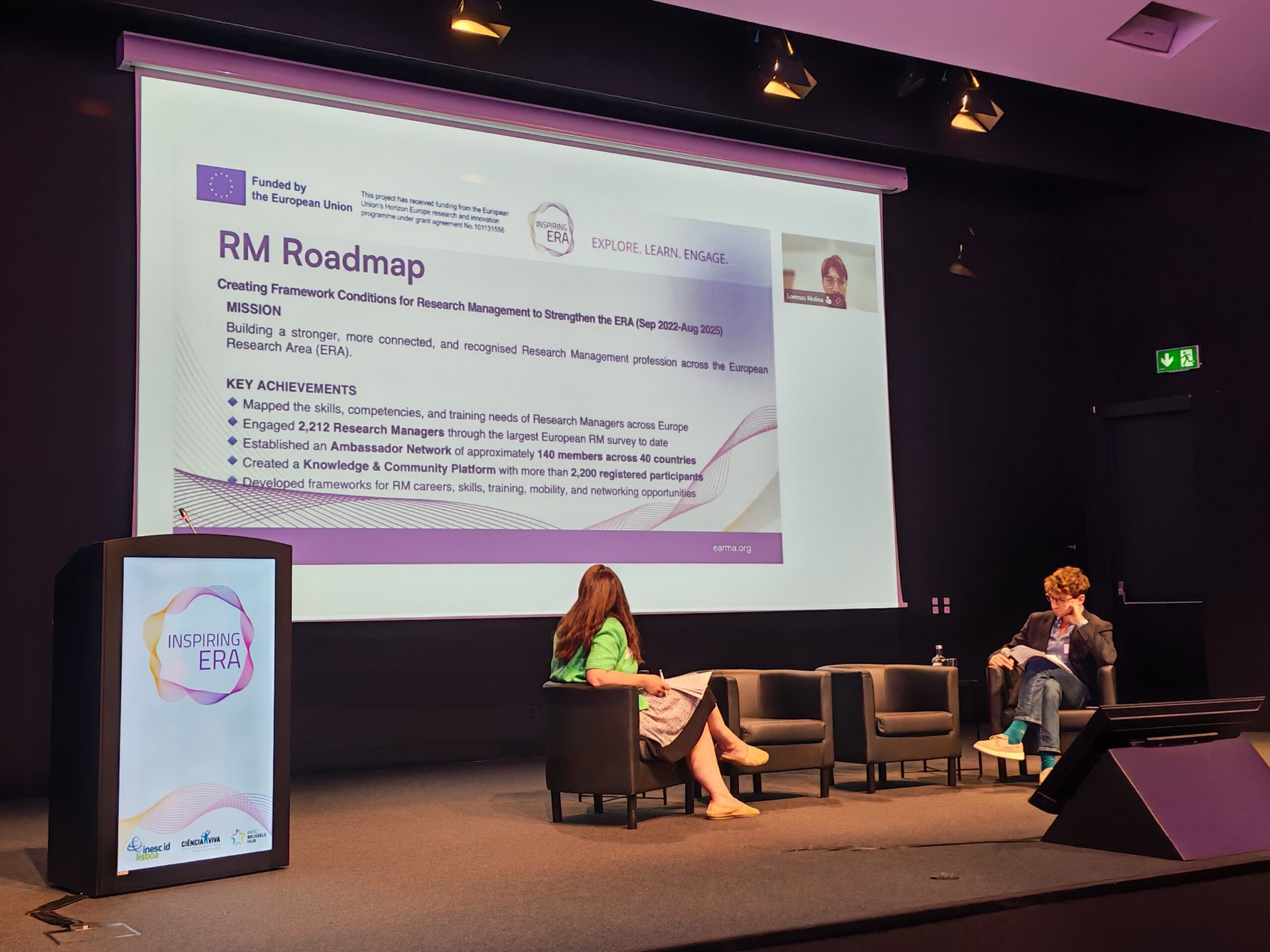
Drawing on RM Roadmap, Virág Zsár examined progress towards professionalising research management in Europe. Despite growing visibility and stronger professional communities, many research managers still face limited career progression and insufficient institutional recognition.
Together, these perspectives highlighted the importance of connecting bottom-up initiatives with institutional commitment and European policy support.
Turning initiatives into lasting capacity
The success stories offered a closer look at approaches already being developed across European institutions.
Our colleague Sílvia Castro, Head of the Innovation Management Office at INESC-ID, presented SAIL – the Sustainable Artificial Intelligence Laboratory, INESC-ID’s new Centre of Excellence in AI, supported through Horizon Europe’s Teaming for Excellence programme.
With a total investment of €27.2 million, SAIL will strengthen INESC-ID’s scientific capabilities while also expanding its research management, innovation, technology transfer and communication capacities. Research managers played an important role in developing the successful proposal, illustrating how scientific excellence and institutional support structures can grow together.
Other contributions explored different aspects of this work. Hanna Leisz, from the German Cancer Research Center (DKFZ), shared the benefits of embedding research management within scientific teams and the challenge of sustaining that capacity beyond individual projects. Zane Šime, from Rīga Stradiņš University, explored connections between research, policy and society through the European Climate Pact, while Dominik Fuchs, from the Technical University of Munich, discussed approaches to evaluating, replicating and scaling project results.
Cristina Oliveira, from NOVA Information Management School, presented opportunities for researchers and research managers to develop through training, mobility and mentoring. Marcos Gomes, from the University of Coimbra, shared lessons from testing the RM Framework as a flexible European reference for professional development, while Simon Kerridge, from Kerridge Research Consulting, highlighted the importance of research and evidence about the profession itself, including the RAAAP surveys.
Although the examples differed, they pointed towards a shared challenge: ensuring that valuable initiatives and project-based experience contribute to stronger, more sustainable institutional capacity.
Looking Ahead
Closing the Exchange, Inês Lynce, President of the Board of INESC-ID, spoke about the difference dedicated research managers have made within the institute. INESC-ID’s own experience, including the development of SAIL, has shown how important their expertise is in supporting scientific ambition and institutional growth.
Maciej Zdanowicz, from NCBR / INSPIRING ERA, concluded by highlighting the value of sharing challenges, developing recommendations and exchanging practices that participants can take back to their institutions.
For INESC Brussels HUB and INESC-ID, supporting the Lisbon Exchange alongside Maciej Zdanowicz and Iwona Klich-Królikowska, from NCBR / INSPIRING ERA, was an opportunity to contribute to an important European conversation and strengthen connections with the research management community.
The Exchange concluded on the eve of International Research Administrators Day, a fitting moment to recognise the professionals whose work is increasingly essential to Europe’s research and innovation system.
Above all, the discussions reinforced the need for a closer connection between European policy and institutional experience: turning policy into practice, and practice into policy.