
New FUND-RI report looks at how Research Infrastructure funding can work better across Europe
The public report from the FUND-RI Experts’ Workshop in Porto is now available, bringing together insights from more than 30 funders, policymakers and Research Infrastructure operators on how Research Infrastructure funding can become more sustainable, predictable and better coordinated across Europe.
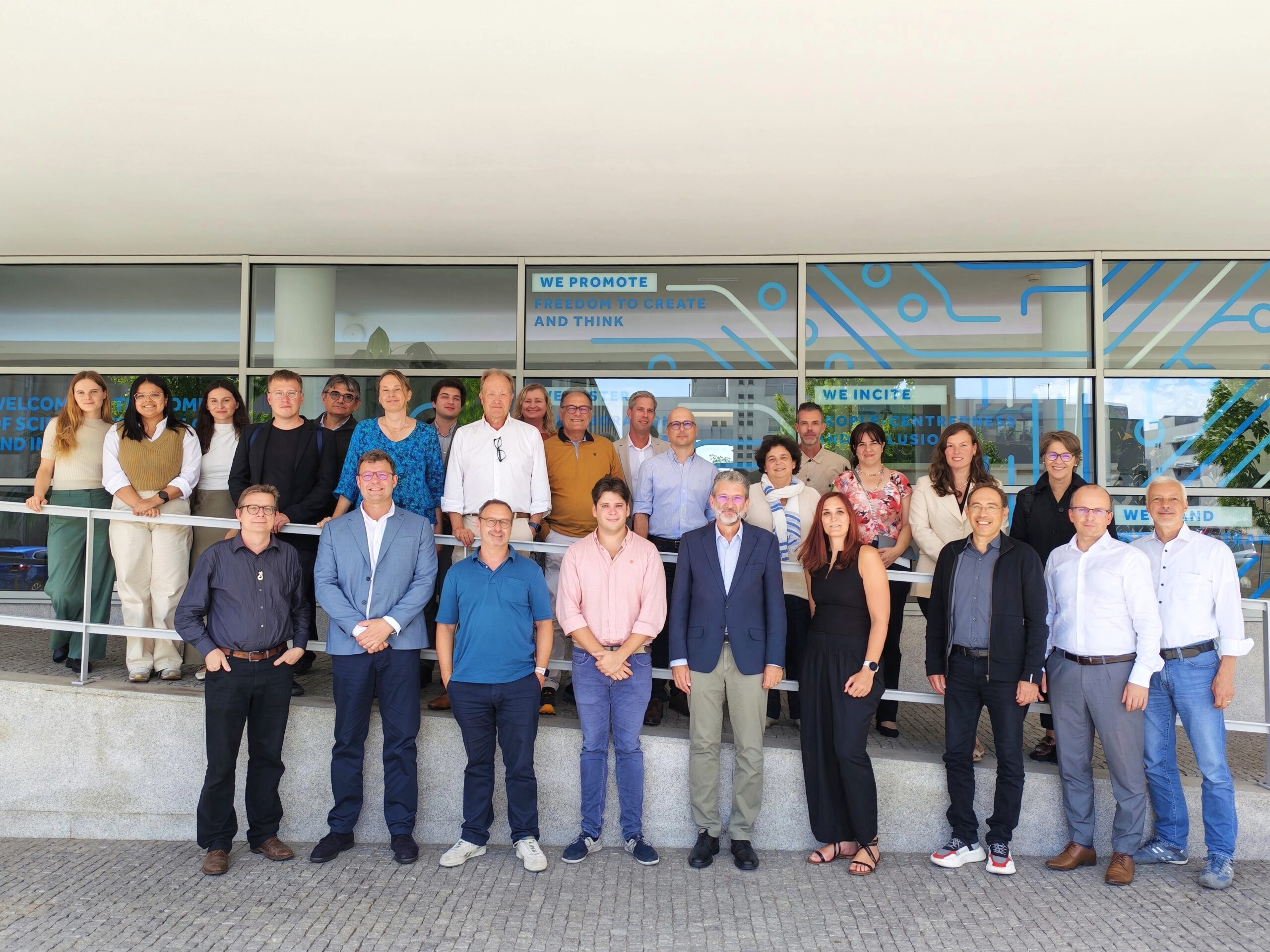
Last August, the FUND-RI consortium came together at INESC TEC in Porto for two days of project work, discussion and exchange.
A central part of the programme was the FUND-RI Experts’ Workshop on Research Infrastructure funding: needs, gaps and opportunities across Europe, held on 25 August. More than 30 funders, policymakers and Research Infrastructure operators from across Europe took part, comparing different funding models, identifying recurring challenges and exploring how funding approaches could be strengthened over the long term.
The format was deliberately interactive. Short expert contributions were followed by World Café discussions, giving participants space to compare experiences and speak openly about what works, what does not, and where the main difficulties lie.
Different models, familiar challenges
There is no single way of funding a Research Infrastructure in Europe. Models vary depending on the type of infrastructure, where it is based, its stage of development and the national context in which it operates.
At the same time, the discussions in Porto showed that many of the underlying challenges are shared.
Participants pointed to limited funding predictability, fragmented funding streams and a growing administrative burden. Long-term costs are another recurring concern. Operations, maintenance, upgrades, staff and international access can all be difficult to finance consistently once an infrastructure is up and running.
For distributed Research Infrastructures, the picture can be even more complex, as responsibilities are shared between central hubs, national nodes and host institutions.
The human side of this uncertainty also came through strongly. Short funding cycles make it harder to retain specialised staff and plan ahead, while the need to pursue several funding sources at the same time can draw time and resources away from an infrastructure’s core mission.
It is not only about finding more funding
The conversation was not simply about finding more money. A recurring question was how the funding already available at European, national and regional level could work better together.
Participants highlighted the value of more predictable, multiannual funding and of approaches that take account of the full lifecycle of an infrastructure. Better coordination between different levels of funding, clearer responsibilities and stronger synergies between instruments were also recurring themes. FUND-RI Experts Workshop Extern…
There was no single answer to every question. Views differed, for example, on whether greater centralisation of funding would reduce complexity or whether maintaining a diversity of funding sources is ultimately more effective.
That range of perspectives is important for FUND-RI. The project is not starting from the assumption that there is one ideal funding model, but is instead building an evidence base around what works in different settings and where the main gaps remain.
From Porto to the next phase of FUND-RI
The discussions in Porto are now feeding directly into the next phase of the project.
The findings will help FUND-RI map and assess funding instruments, business models, challenges and good practices across Europe. They will also inform a series of European and international case studies and contribute to the project’s wider outputs, including strategic recommendations and a Green Paper.
The workshop was held under the Chatham House Rule, allowing participants to speak openly about their experiences and challenges. The report therefore presents contributions thematically and without attribution, capturing a broad range of views rather than a single consensus position.
The FUND-RI Experts’ Workshop Report “Research Infrastructure funding: needs, gaps and opportunities across Europe” is now publicly available. (LINK HERE)
The full report offers a more detailed look at the funding models, challenges, open questions and possible ways forward discussed in Porto, including the practical experiences and perspectives shared by funders, policymakers and Research Infrastructure operators.
We would like to thank everyone who joined us in Porto and contributed so openly to the discussion. Those exchanges are helping FUND-RI better understand how Research Infrastructure funding works in practice, where the pressure points are, and where there is room to make the system work better over the long term.